Mumbai
Explore Mumbai



Mumbai Tourism & Travel Guide
Location: West Coast, Maharashtra
Famous For: Bollywood, Colonial heritage, Coastal promenades, Street food, and being the Financial Capital
Nickname/Special Tag: City of Dreams
Best Time to Visit: November to February
Ideal Duration: 3 to 5 Days
Climate: Tropical Wet and Dry Climate
Local Language: Marathi, Hindi, English
About Mumbai
- Why is Mumbai considered the heartbeat of India? Stretching along a dramatic Arabian Sea coastline, layered with Victorian Gothic architecture, buzzing with Bollywood energy, and alive with one of the world’s most electric street cultures, Mumbai beautifully blends colonial grandeur, coastal beauty, sacred heritage, and extraordinary urban diversity. The city draws travellers with iconic places to visit in Mumbai, such as the Gateway of India, the sacred caves at Elephanta, and the sweeping Queen’s Necklace promenade at Marine Drive.
- Whether visitors are searching for famous things in Mumbai, nightlife, heritage walks, or a quick one-day trip escape, the city promises an unforgettable mix of history, culture, food, and seafront energy.
History of Mumbai
- Mumbai began as a cluster of seven islands inhabited by the Koli fishing community, passed through Portuguese and British colonial hands, before becoming the financial and cultural capital of modern India. Formerly known as Bombay, the city was officially renamed Mumbai in 1995.
What Each Season Offers
Summer (April to June)
- Special Highlights: Coastal walks, museums, cave visits, heritage corridors
- Crowd and Atmosphere: Moderate crowds with pleasant morning sightseeing experiences
- Travel Essentials: Cotton clothes, sunscreen, caps, water bottles, footwear
- Budget Requirements: Budget-friendly hotels with attractive seasonal travel deals
Monsoon (July to September)
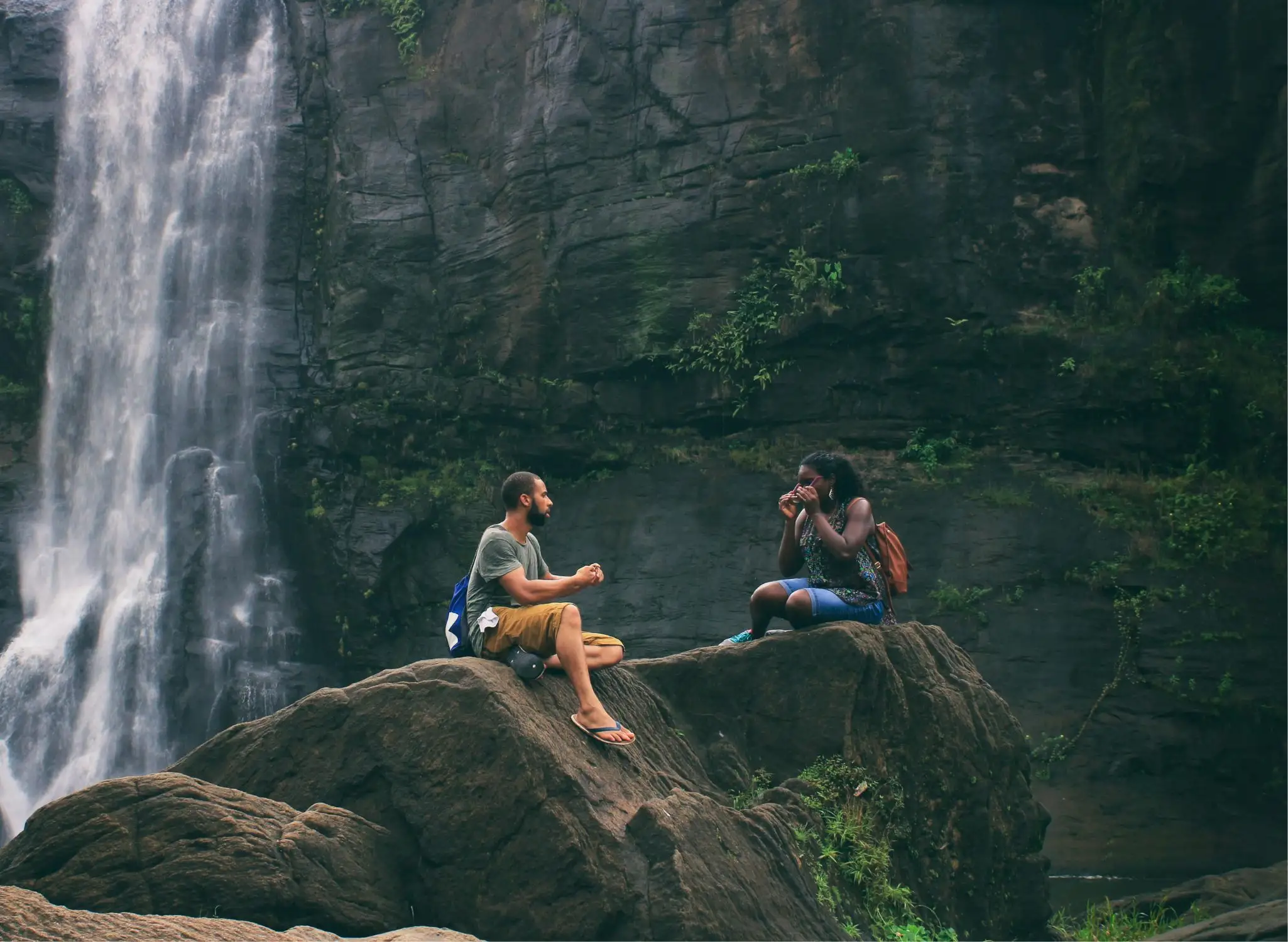
- Special Highlights: Arabian Sea views, waterfalls, Sahyadri escapes, city walks
- Crowd and Atmosphere: Energetic crowds with atmospheric coastal monsoon experiences
- Travel Essentials: Raincoats, umbrellas, waterproof footwear, quick-dry clothing
- Budget Requirements: Moderate prices with weekend premiums at popular stays
Winter (October to February)
- Special Highlights: Marine Drive sunsets, festivals, heritage walks, sightseeing
- Crowd and Atmosphere: Peak season with vibrant streets and festive atmosphere
- Travel Essentials: Light layers, cotton clothes, comfortable walking shoes
- Budget Requirements: Higher hotel prices during peak holiday seasons
How to Reach
- By Air: Chhatrapati Shivaji Maharaj International Airport is the primary gateway offering flights from every major domestic and international city, connecting travellers planning activities in Mumbai directly to the heart of the metropolis.
- By Train: Mumbai’s Chhatrapati Shivaji Maharaj Terminus and Bandra Terminus are major national rail hubs well connected with Delhi, Chennai, Bengaluru, Hyderabad, and Goa through daily express and superfast services.
- By Road: National expressways, state buses, and private vehicles connect Mumbai comfortably with Pune, Nashik, Goa, Aurangabad, and nearby Maharashtra destinations, making several excellent day trip options easily accessible from the city.
Festivals of Mumbai
1. Ganesh Chaturthi
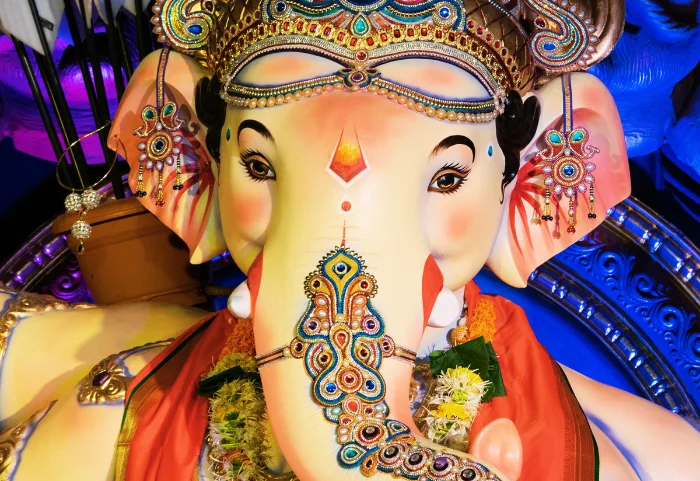
- Mumbai’s Ganesh Chaturthi is the city’s most defining celebration, with the Lalbaugcha Raja attracting millions of devotees across eleven days of illuminated processions, devotional music, and the magnificent Visarjan immersion along the city’s beaches and seafront.
2. Kala Ghoda Arts Festival
- Held every February across the heritage precinct of Kala Ghoda, this nine-day multidisciplinary festival fills the colonial streetscape with art installations, theatre, music, dance, and literary events, making it one of Mumbai’s most vibrant and celebrated cultural gatherings.
3. Mumbai Film Festival
- The annual Mumbai Film Festival draws international and independent cinema lovers to screenings, masterclasses, and industry panels across the city, celebrating Mumbai’s identity as India’s undisputed film capital and one of the most globally connected creative cities.
4. Bandra Fair
- Bandra Fair is a week-long annual festival held at Mount Mary Basilica in Bandra, Mumbai, every September. Celebrated since the 18th century, it attracts devotees of all faiths with prayers, cultural events, food stalls, and vibrant festivities.
5. Prithvi Theatre Festival
- Held annually at Juhu’s legendary Prithvi Theatre, this intimate festival brings the finest Hindi and English theatre productions to Mumbai’s most beloved cultural venue, celebrating the city’s deep and enduring love for stage performance and literary arts.
Top 5 Places to Visit in Mumbai
1. Gateway of India
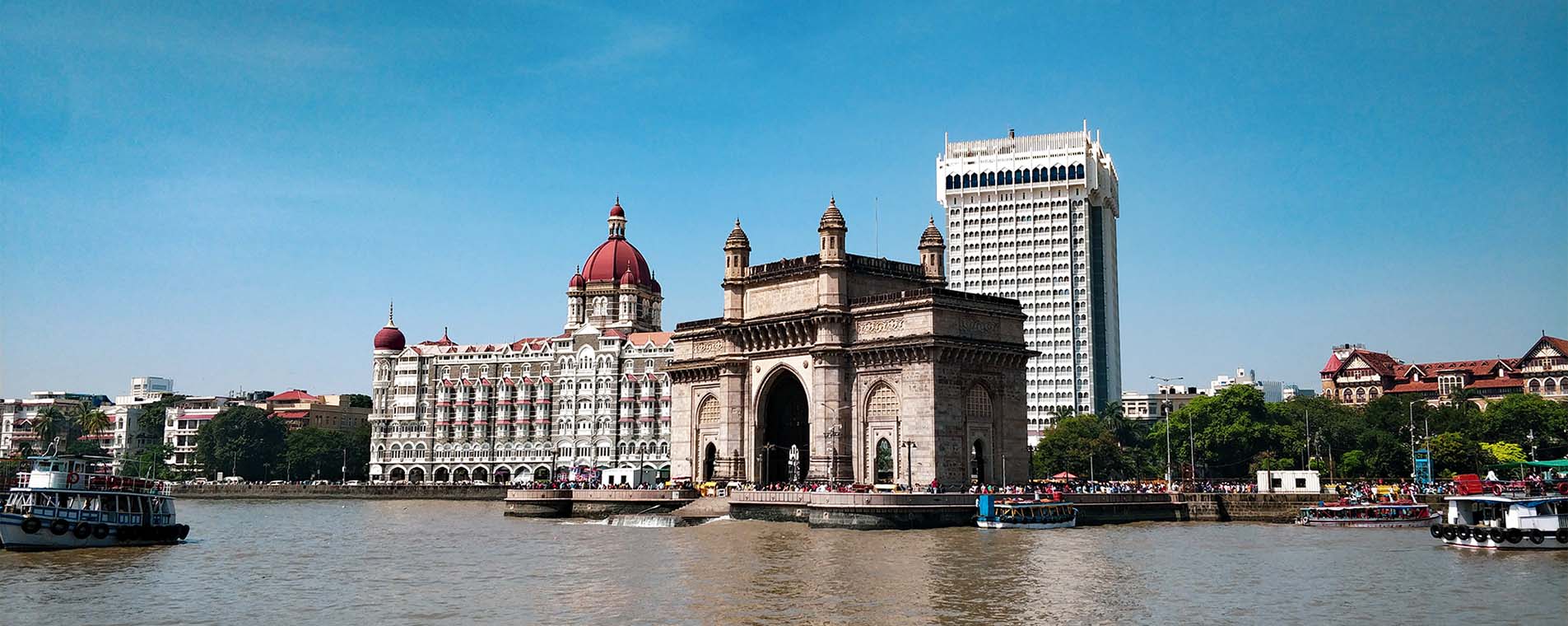
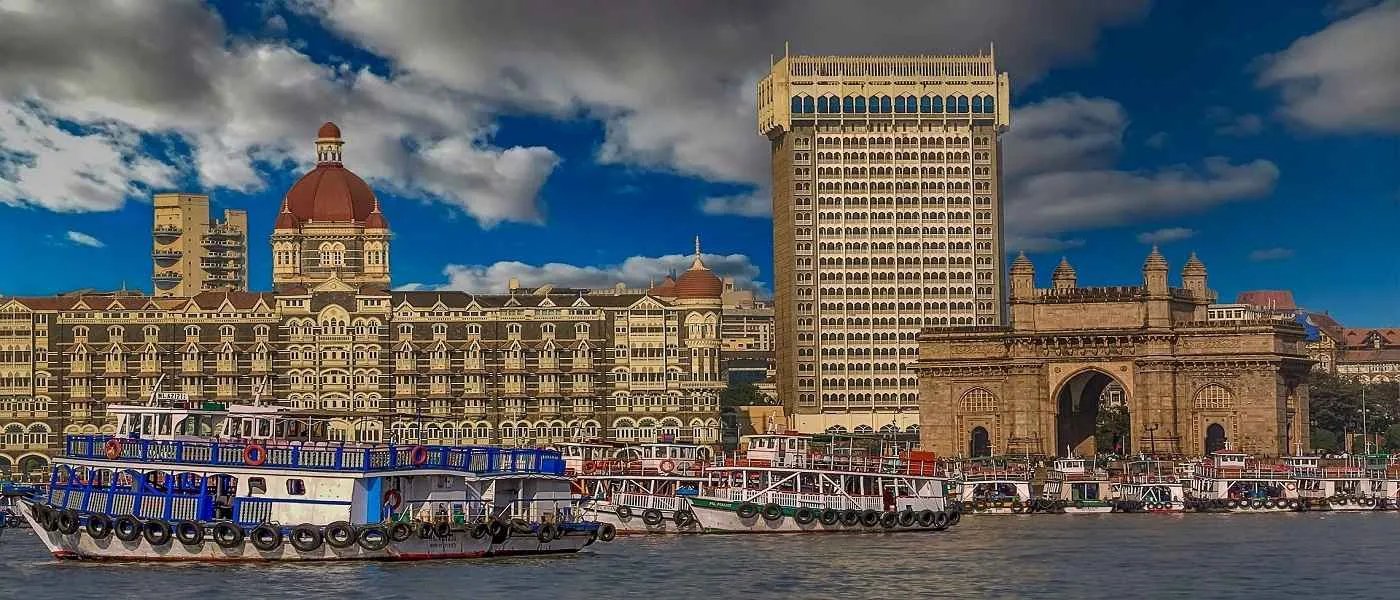
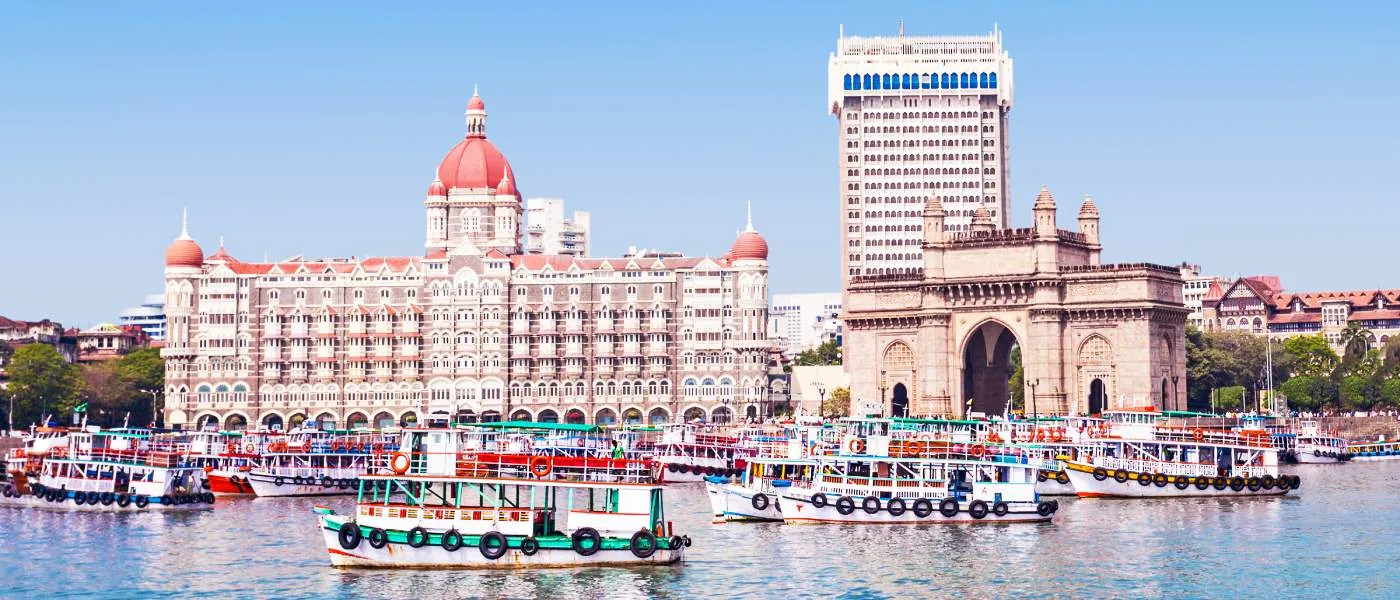
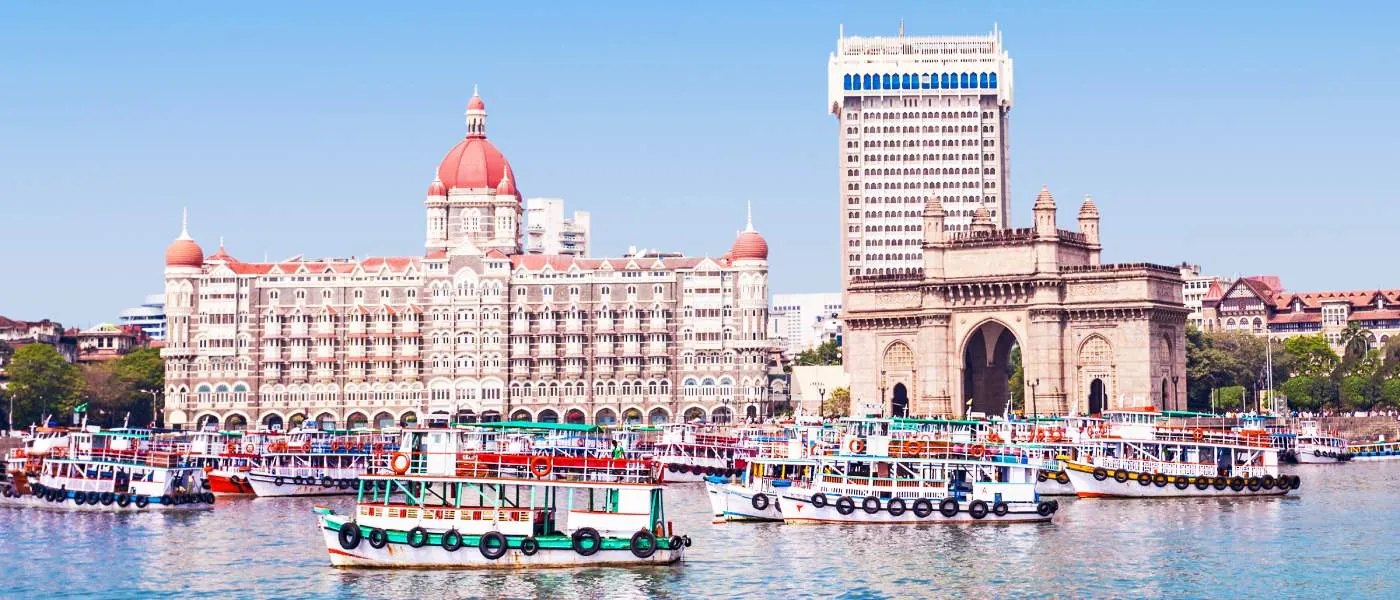
- Built in 1924 to commemorate King George V’s visit, the Gateway of India stands at the edge of the Arabian Sea as Mumbai’s most iconic landmark, offering ferry departures to Elephanta Island and a sweeping harbour view that makes it unmissable among all Mumbai places to see.
2. Marine Drive
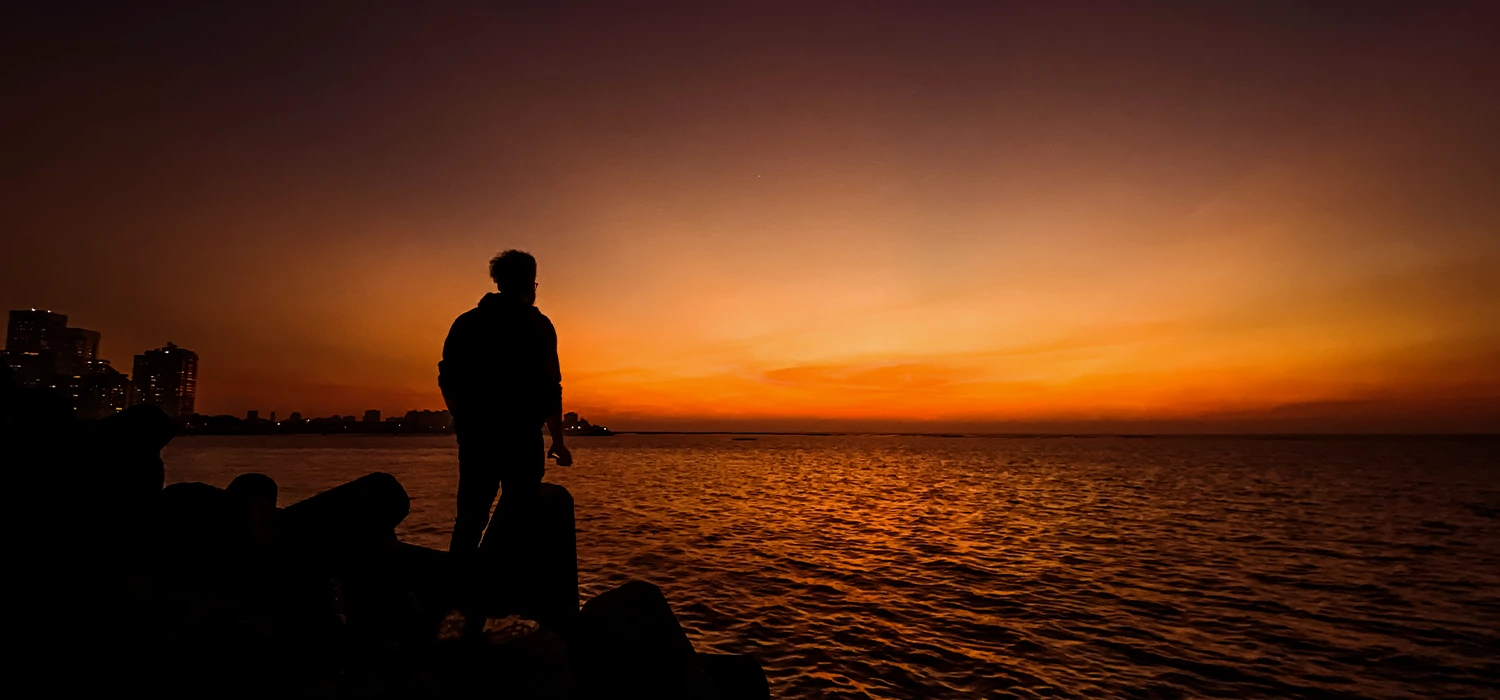
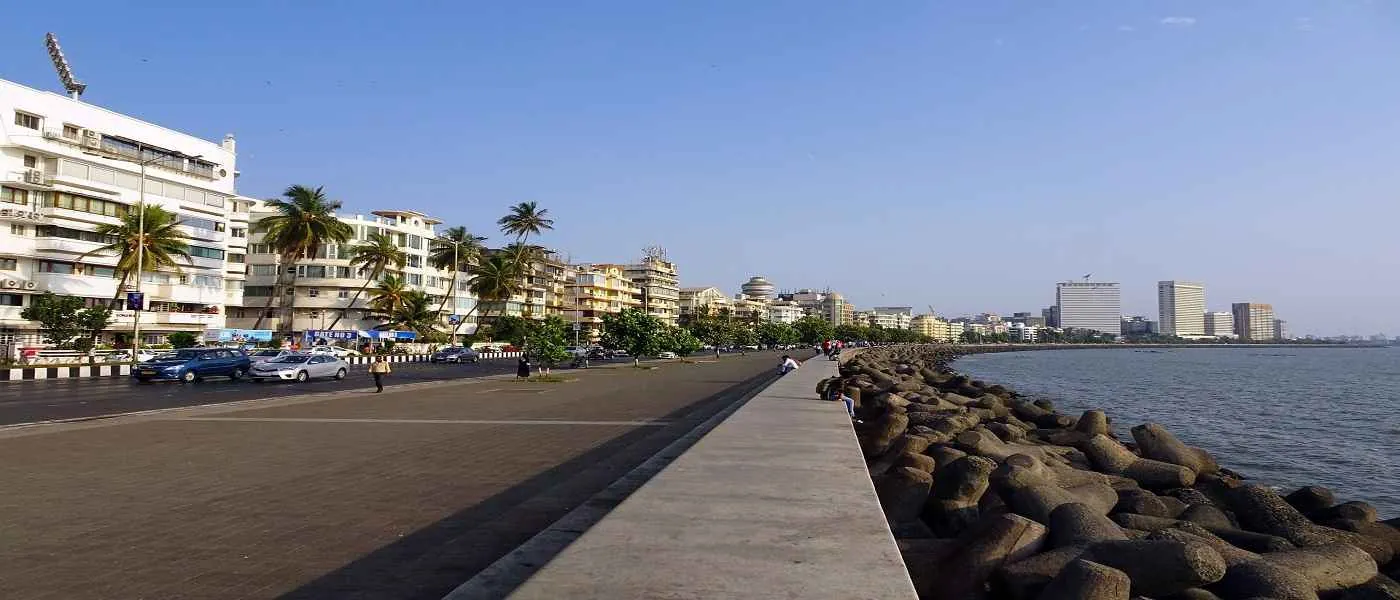
- The sweeping 3.6-kilometre Art Deco promenade curving along the Arabian Sea from Nariman Point to Malabar Hill, best experienced at sunset or after dark when its street lamps earn the city its Queen’s Necklace nickname, ranks as one of the finest places to visit in Mumbai for couples.
3. Elephanta Caves
- Elephanta Caves are a UNESCO World Heritage Site located on Elephanta Island near Mumbai. Dating back to the 5th–8th centuries, these rock-cut caves are renowned for their magnificent Hindu sculptures, especially the iconic three-faced Maheshmurti of Lord Shiva.
4. Chhatrapati Shivaji Maharaj Terminus
- A UNESCO World Heritage Victorian Gothic railway station still functioning as one of India’s busiest rail hubs, CSMT’s ornate stone turrets, stained glass, and gargoyle detailing make it the most spectacular piece of colonial architecture among all places to visit in Mumbai.
5. Juhu Beach
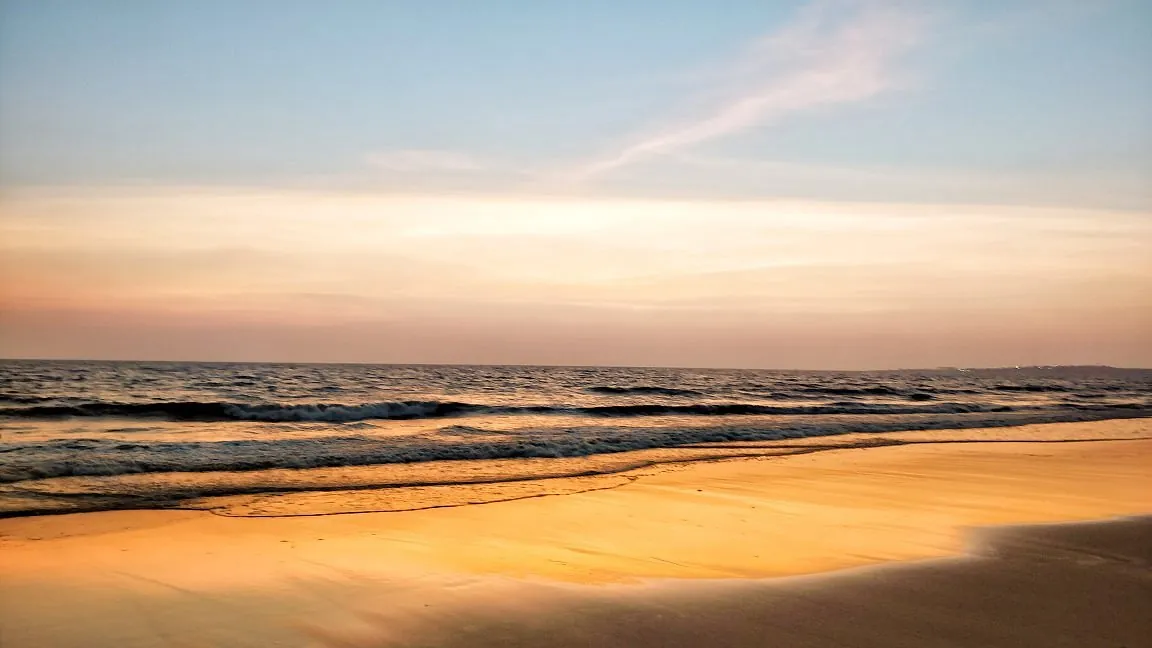
- Mumbai’s most beloved and democratically vibrant public beach, Juhu offers evening street food, kite flying, sand cricket, Bollywood star bungalow spotting, and a deeply energetic seaside atmosphere.
Top 5 Things to Do in Mumbai
1. Walk the Marine Drive Promenade
- An evening walk along Marine Drive from Nariman Point to Chowpatty Beach, watching the sun dissolve into the Arabian Sea and the city’s lights begin to shimmer across the water, is the single most romantic and iconic among all activities in Mumbai.
2. Explore Dharavi
- Walking through Dharavi’s leather workshops, pottery quarters, recycling units, and busy residential lanes with a responsible guided tour is one of the most eye-opening, humanising, and unexpectedly fascinating experiences available anywhere in the city.
3. Heritage Walk Through Kala Ghoda
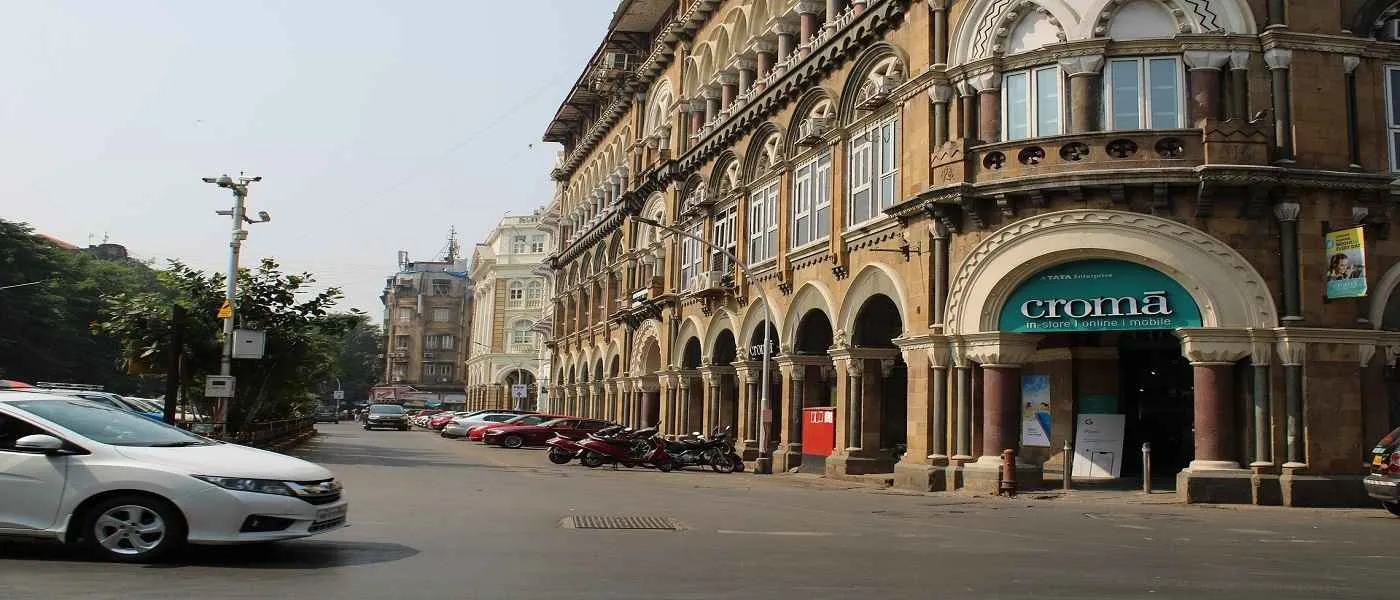
- Wandering through Kala Ghoda’s concentration of Victorian Gothic buildings, art galleries, independent cafes, and pavement book stalls between the Chhatrapati Shivaji Maharaj Vastu Sangrahalaya and the Regal Cinema is the most architecturally rewarding walk in all of Mumbai.
4. Experience Mumbai at Night
- From rooftop bars in Bandra and Lower Parel to the glittering places to go in Mumbai at night like Marine Drive, Carter Road, and Colaba Causeway, Mumbai transforms into a completely different and deeply electric city once the sun sets.
5. Eat Through Mohammed Ali Road
- A late-night walk through Mohammed Ali Road’s legendary food lanes during Ramzan or on any given weekend evening, eating nihari, seekh kebabs, malpua, and sheer khurma under flickering street lights, is the most delicious and atmospheric food experience in the entire city.
Top 5 Adventures to Do in Mumbai
1. Trekking to Karnala and Matheran
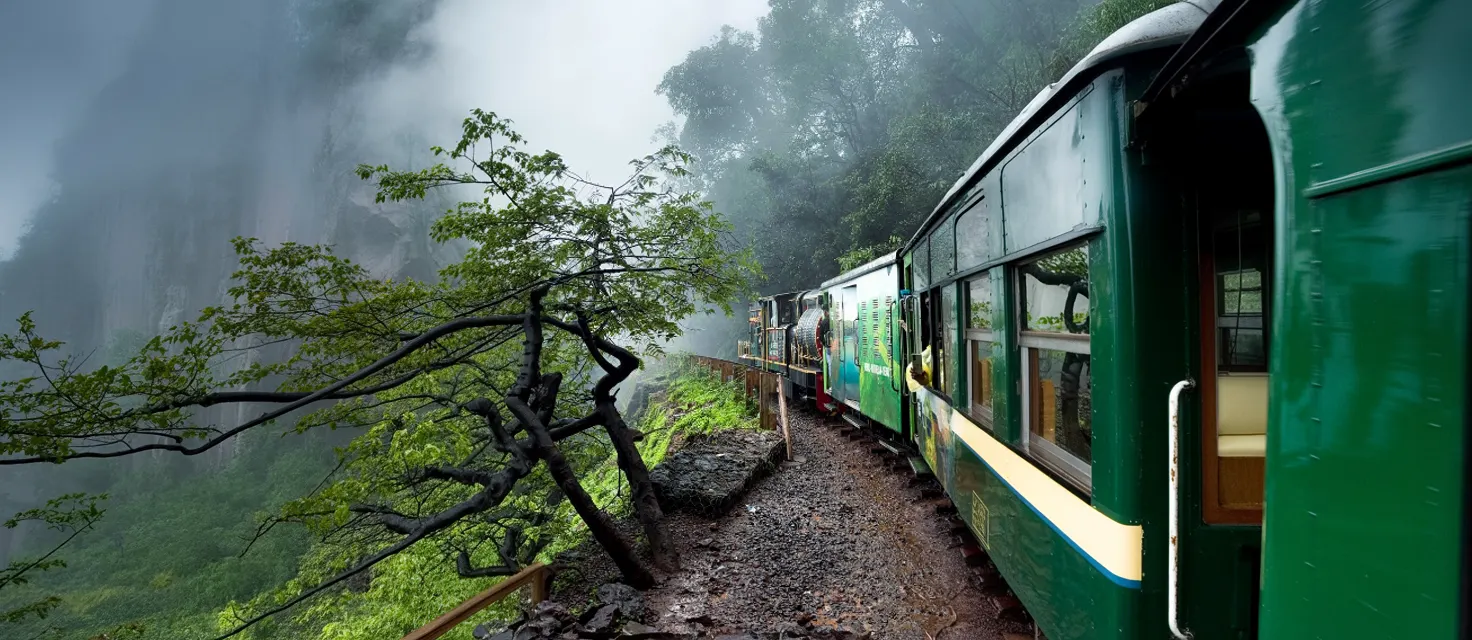
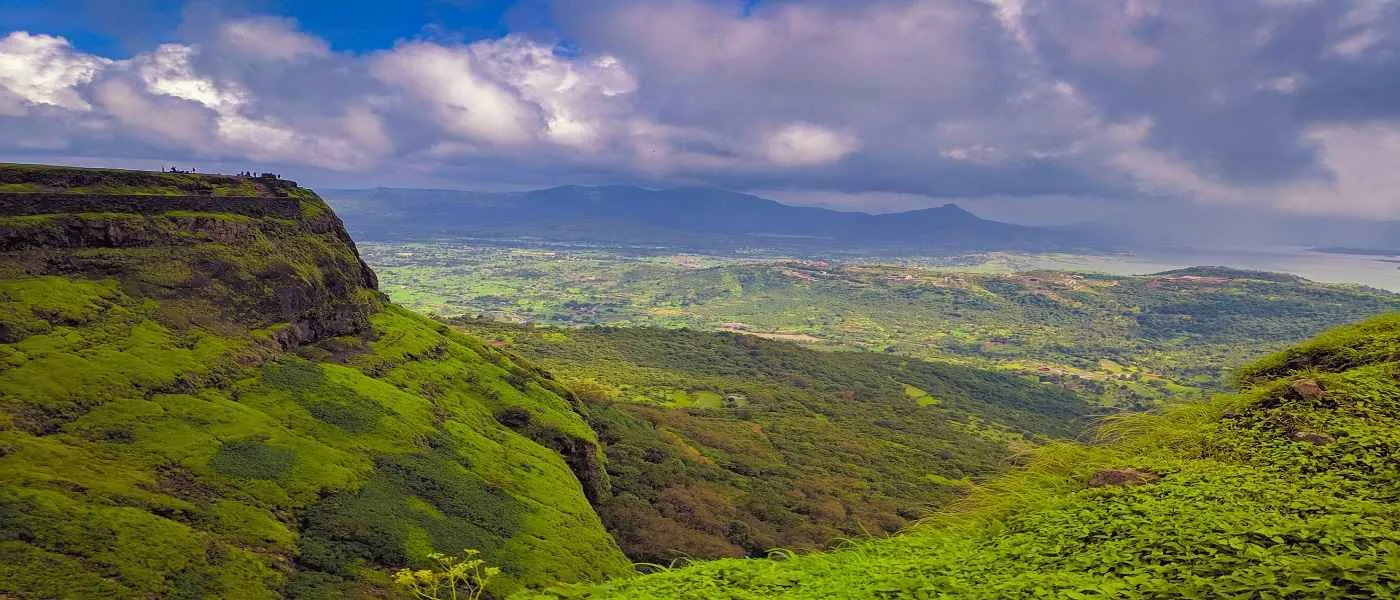
- The forested hill forts of Karnala and the toy-train hill station of Matheran, just 50 to 80 kilometres from the city offer the most rewarding and accessible adventure places in Mumbai’s surrounding Sahyadri landscape for a quick nature escape.
2. Parasailing at Juhu and Gorai Beach
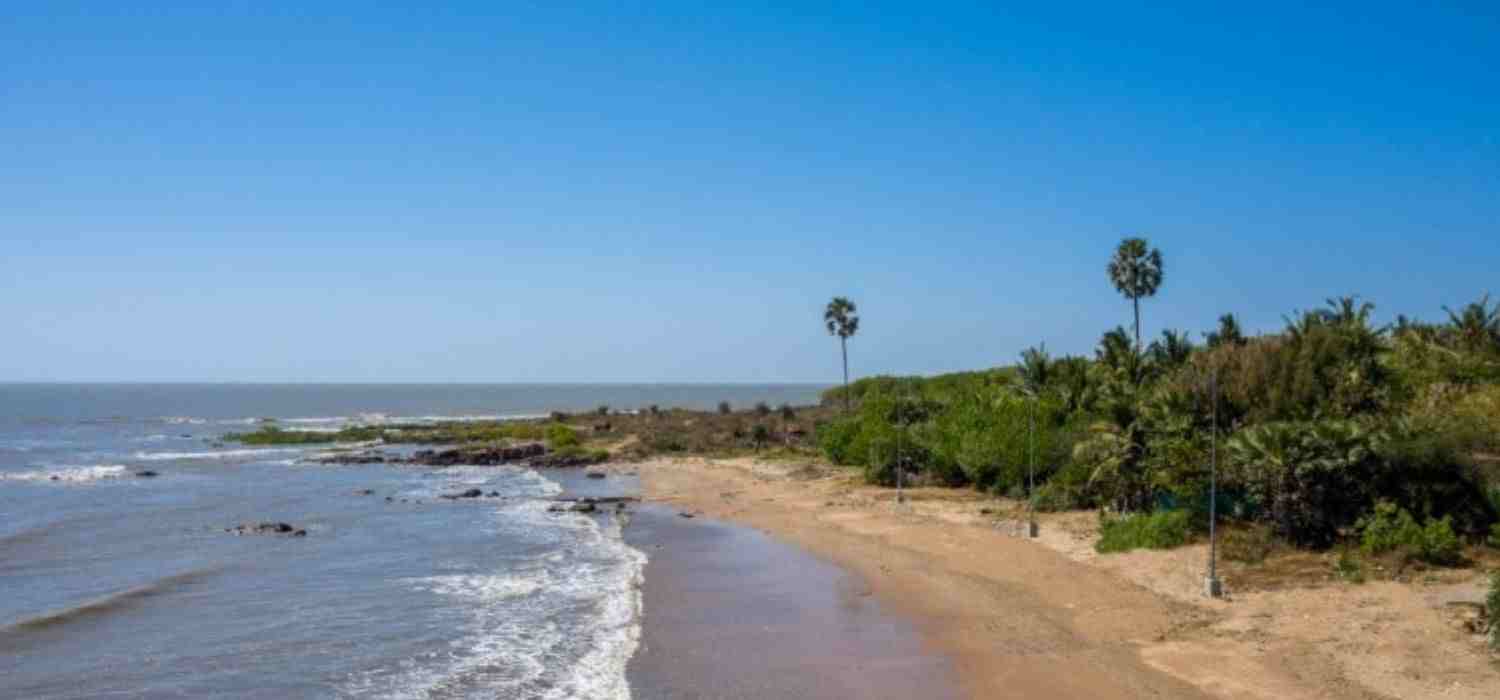
- Mumbai’s northern beaches at Juhu and Gorai offer parasailing launches over the Arabian Sea with sweeping coastal and city skyline views, making them the most thrilling and accessible among all adventure places in Mumbai for water sports enthusiasts.
3. Kayaking at Versova and Manori
- Sea kayaking through Versova Creek’s mangrove channels and the quiet waters around Manori Island offers a surprisingly wild and peaceful coastal adventure entirely within the city’s reach for nature-seeking urban explorers.
4. Flyboarding at Juhu Beach
- Flyboarding at Juhu Beach is a thrilling water sport in Mumbai that propels riders above the sea using powerful water jets. Popular among adventure seekers, it offers breathtaking coastal views and an unforgettable adrenaline-filled experience.
5. Adventure at Snow Kingdom Mumbai
- Snow Kingdom Mumbai offers a unique indoor snow experience featuring snow slides, ice-themed attractions, snowball fights, and winter activities. Maintained at sub-zero temperatures, it provides a refreshing escape and family-friendly entertainment in the heart of the city.
FAQs
1. Which Are the Top Historical Places in Mumbai?
- Chhatrapati Shivaji Maharaj Terminus, Gateway of India, Elephanta Caves, Banganga Tank, and Bandra Fort are the crown jewels among Mumbai’s historical landmarks, each telling a vivid story of the city’s colonial, maritime, and ancient past:
- Chhatrapati Shivaji Maharaj Terminus: A UNESCO Victorian Gothic railway masterpiece built in 1888 and still one of India’s busiest stations.
- Gateway of India: A 1924 basalt arch monument overlooking the Arabian Sea and Mumbai’s most universally recognised landmark.
- Elephanta Caves: UNESCO 6th-century rock-cut Shaivite cave temples on an island, a short ferry ride from the city.
- Banganga Tank: An ancient sacred water tank in Walkeshwar believed to date back over a thousand years, surrounded by old temple ghats.
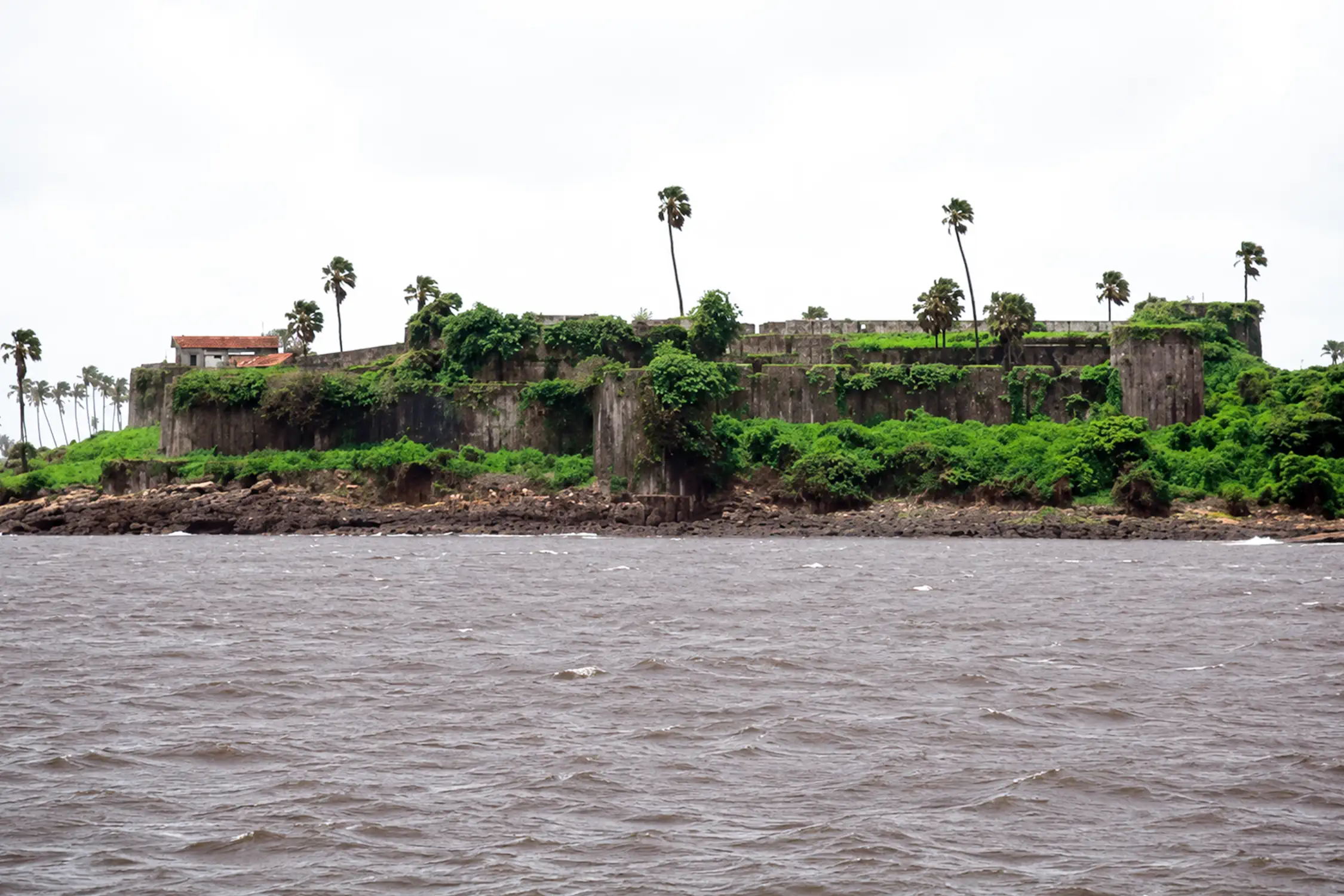
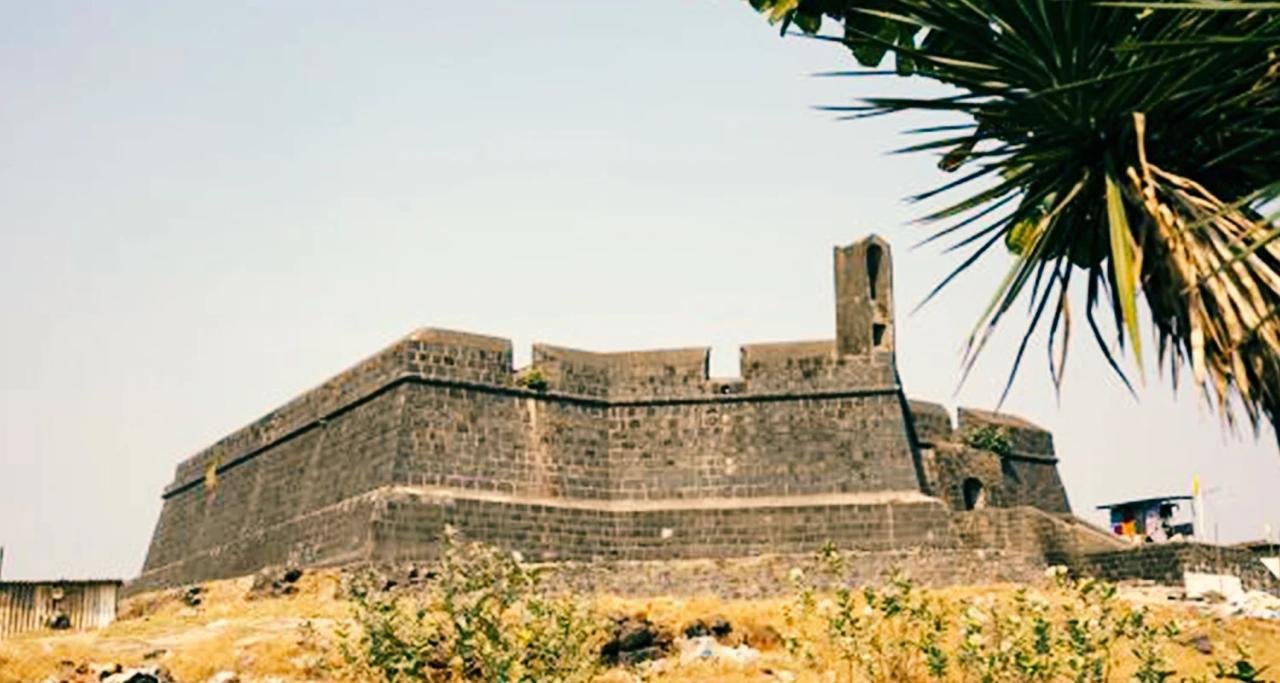
- Bandra Fort: A 17th-century Portuguese sea fort ruin overlooking the Arabian Sea, one of the most atmospheric places to visit in Mumbai for couples at sunset.
2. What is the Best Time to Visit Mumbai?
- November to February is the best time to visit Mumbai when the weather stays cool and pleasant across heritage sites, beaches, promenades, and open-air cultural venues.
- The Kala Ghoda Arts Festival in February transforms the heritage precinct into a celebration of arts and culture, Christmas and New Year bring a festive glow to Bandra and Colaba, and winter evenings are ideal for Marine Drive walks and Navi Mumbai day trips. The monsoon from June to September brings dramatic Arabian Sea energy and lush Sahyadri waterfalls but can disrupt coastal and outdoor plans significantly.
3. What Food is Famous in Mumbai?
- Mumbai’s food scene is one of India’s most diverse and electrifying, celebrating Maharashtrian street flavours, Parsi home cooking, Mughlai kebab traditions, and cosmopolitan cafe culture served everywhere from century-old Irani cafes to buzzing food truck lanes:
- Vada Pav: A spiced potato fritter in a soft bread roll with green chutney, Mumbai’s most beloved and democratic street food, eaten at every corner.
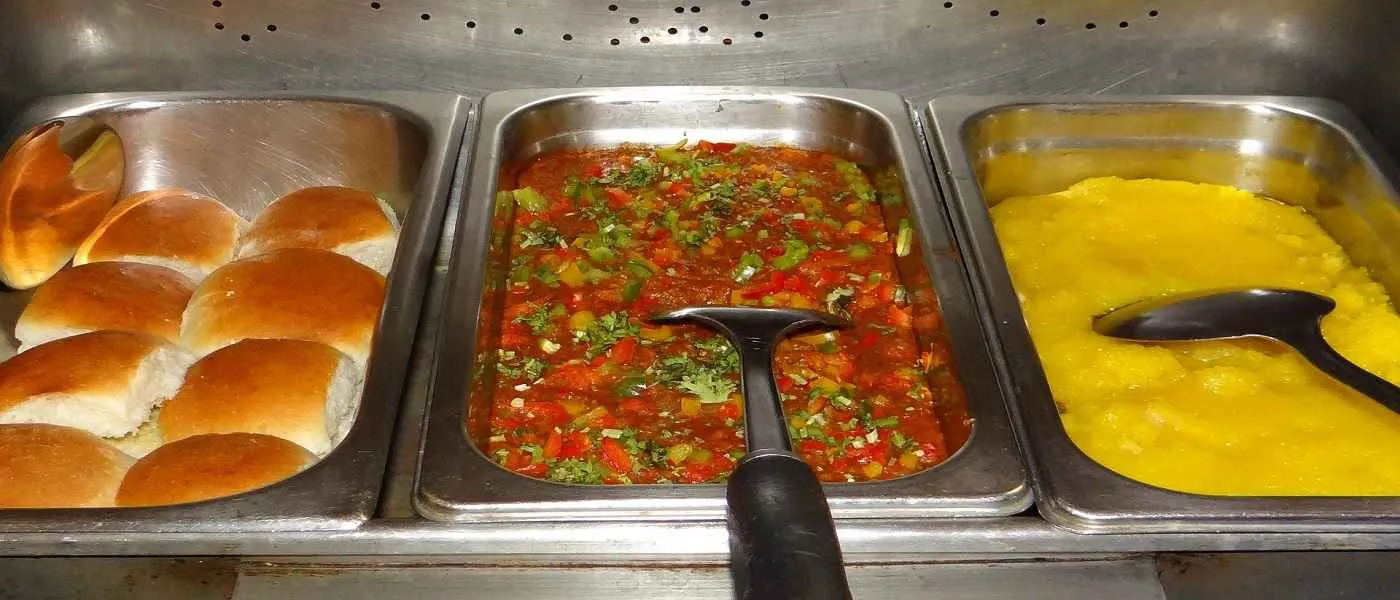
- Pav Bhaji: A buttery spiced vegetable mash served with toasted bread rolls, inseparable from Mumbai’s Chowpatty and Juhu beach food culture.
- Bombay Sandwich: A multilayered green chutney, potato, beetroot, and cheese toasted sandwich, one of the most famous things in Mumbai’s street food identity.
- Bun Maska at Irani Cafe: A soft buttered bun with thick tea served at century-old Irani cafes like Kyani and Cafe Military, a deeply nostalgic Mumbai ritual.
- Seafood: Fresh Konkani-style crab, prawns, and pomfret cooked in coastal masala, the finest sit-down seafood experience in the city.
4. What Are the Best Day Trips from Mumbai?
- Mumbai’s coastal and Sahyadri location makes it one of India’s finest bases for day and overnight excursions with beaches, hill forts, ancient caves, and hill stations all within comfortable reach:
- Alibaug: A one-hour ferry ride across Mumbai Harbour to colonial Kolaba Fort, quiet beaches, and fresh coastal seafood, the most popular and perfectly paced Mumbai one-day trip destination for every kind of traveller.
- Matheran: A toy-train hill station just 90 kilometres away with car-free forested paths, valley viewpoints, and cool Sahyadri air, making it the most charming and car-free escape from city life.
- Lonavala and Khandala: Twin Sahyadri hill stations 80 kilometres along the expressway, offering monsoon waterfalls, Karla cave temples, and chikki fudge markets within a comfortable half-day drive.
- Best Places to Visit in Navi Mumbai: The planned satellite city across the harbour offers quiet escapes at Flamingo Sanctuary, DY Patil Stadium, Akshar Dhara mangrove walks, and the sprawling Inorbit Mall complex for a completely contrasting and unhurried day away from central Mumbai.
5. How Many Days Are Enough for Mumbai Sightseeing?
- A 3 to 5-day trip is ideal for comfortably covering all the famous things in Mumbai. One day covers Gateway of India, Elephanta Caves, and Colaba heritage precinct, a second day allows for Marine Drive, Chowpatty, Dharavi, and Bandra, and extending to five days opens up Juhu Beach, Kala Ghoda, Mohammed Ali Road, and a full day trip to Alibaug or Matheran for a truly complete Mumbai experience.
6. What Are Some Popular Stay Options in Mumbai for Budget and Luxury Travellers?
- Mumbai offers everything from clean backpacker hostels in Colaba to grand five-star sea-facing hotels, perfect for every Mumbai trip.
Budget Stay Options (Approx Price Per Night)
- Backpacker Panda Colaba – ₹700 to ₹1,500
- Hotel Suba Palace Mumbai – ₹1,200 to ₹2,500
- Treebo Trend Hotel Mumbai – ₹900 to ₹2,000
- Hotel Diplomat Churchgate – ₹1,000 to ₹2,200
Luxury Stay Options (Approx Price Per Night)
- The Taj Mahal Palace Mumbai – ₹25,000 to ₹60,000
- Oberoi Mumbai – ₹20,000 to ₹45,000
- ITC Grand Central Mumbai – ₹12,000 to ₹25,000
- The St. Regis Mumbai – ₹15,000 to ₹35,000
7. What Makes Mumbai Unique for Tourism?
- Mumbai is India’s most electrifying and multidimensional urban destination, offering everything from UNESCO colonial architecture and ancient rock-cut cave temples to sweeping Arabian Sea promenades, legendary street food trails, Bollywood studio tours, and a nightlife culture that makes every Mumbai tour package truly unforgettable.
- Travellers can photograph the Gateway of India at dawn, explore the Elephanta Caves by ferry, walk the Marine Drive at sunset, discover the best places to visit in Navi Mumbai across the harbour, and lose themselves in Mohammed Ali Road’s midnight food lanes all within the same city visit. Mumbai is also celebrated for its Ganesh Chaturthi grandeur, Irani cafe culture, Parsi heritage, Dharavi enterprise spirit, and a relentless cosmopolitan energy that defines every activity in the Mumbai experience.
- This extraordinary blend of history, coastline, culture, and cinematic glamour makes Mumbai a city unlike any other in India.
Aqua Adventures
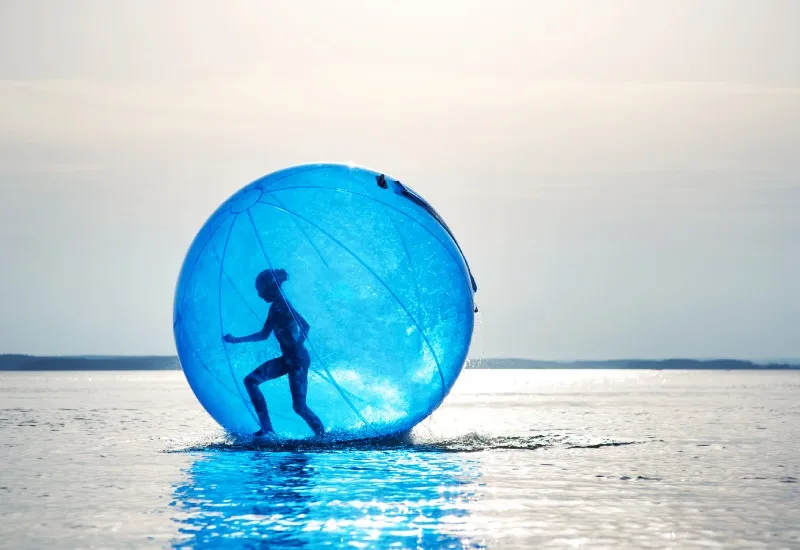
Water Zorbing in Juhu Beach, Mumbai
₹ 299
 4.5
4.5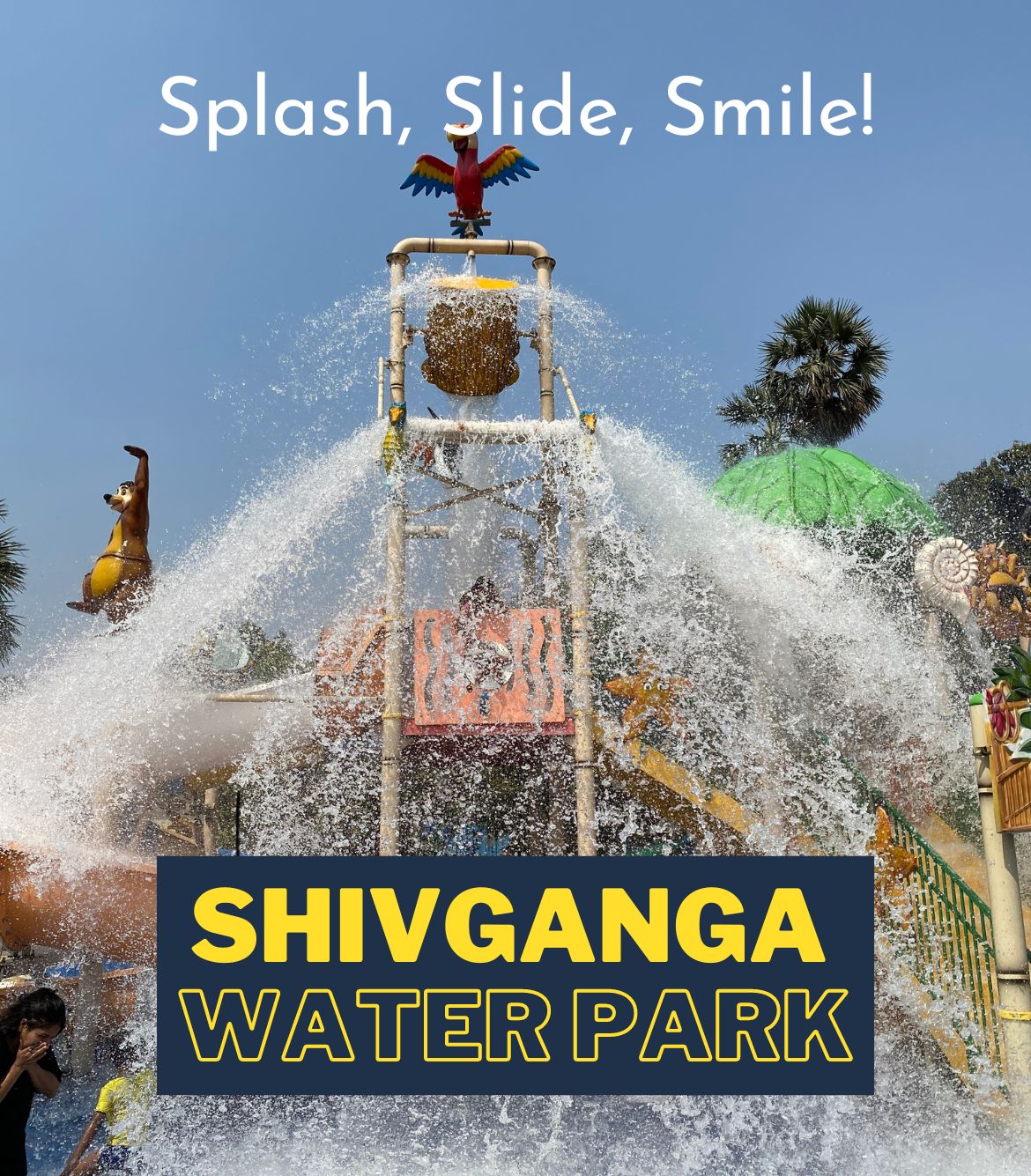
Shivganga Water Park
₹ 1,179
4.9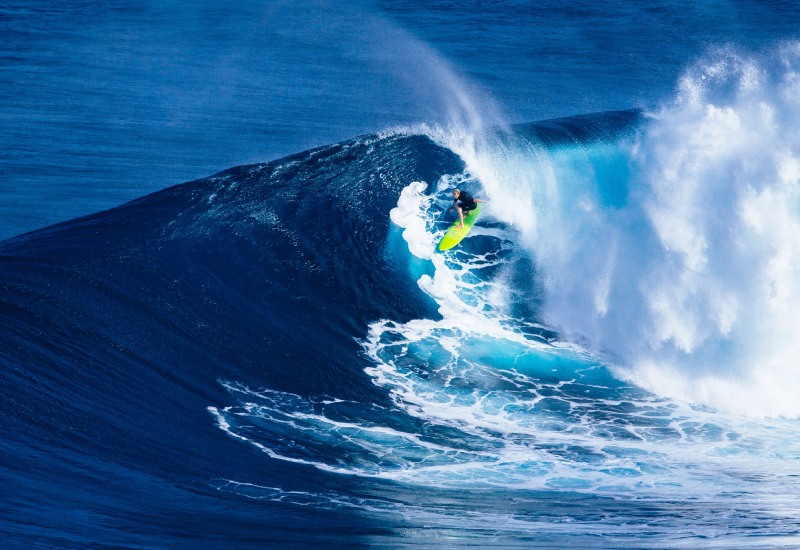
Paddle Surfing In Mumbai
₹ 800
4.5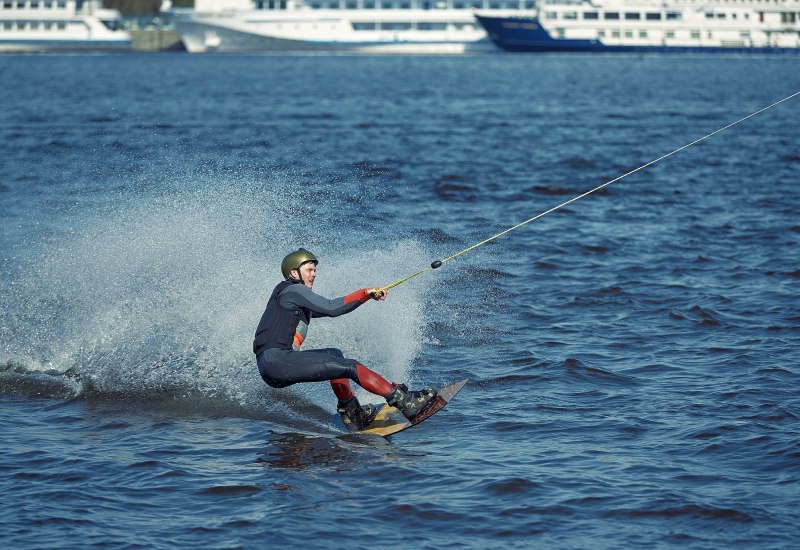
Kite Surfing in Mumbai
₹ 2,000
4.5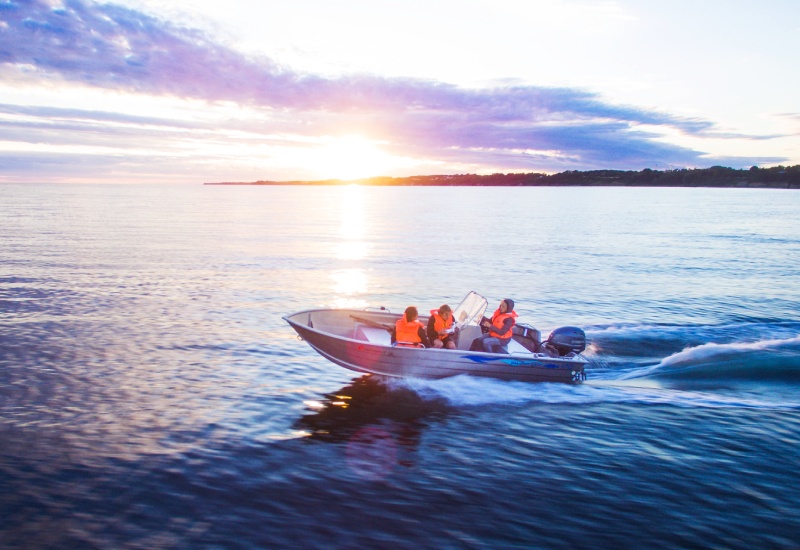
Speed Boat Ride In Mumbai
₹ 3,780
4.7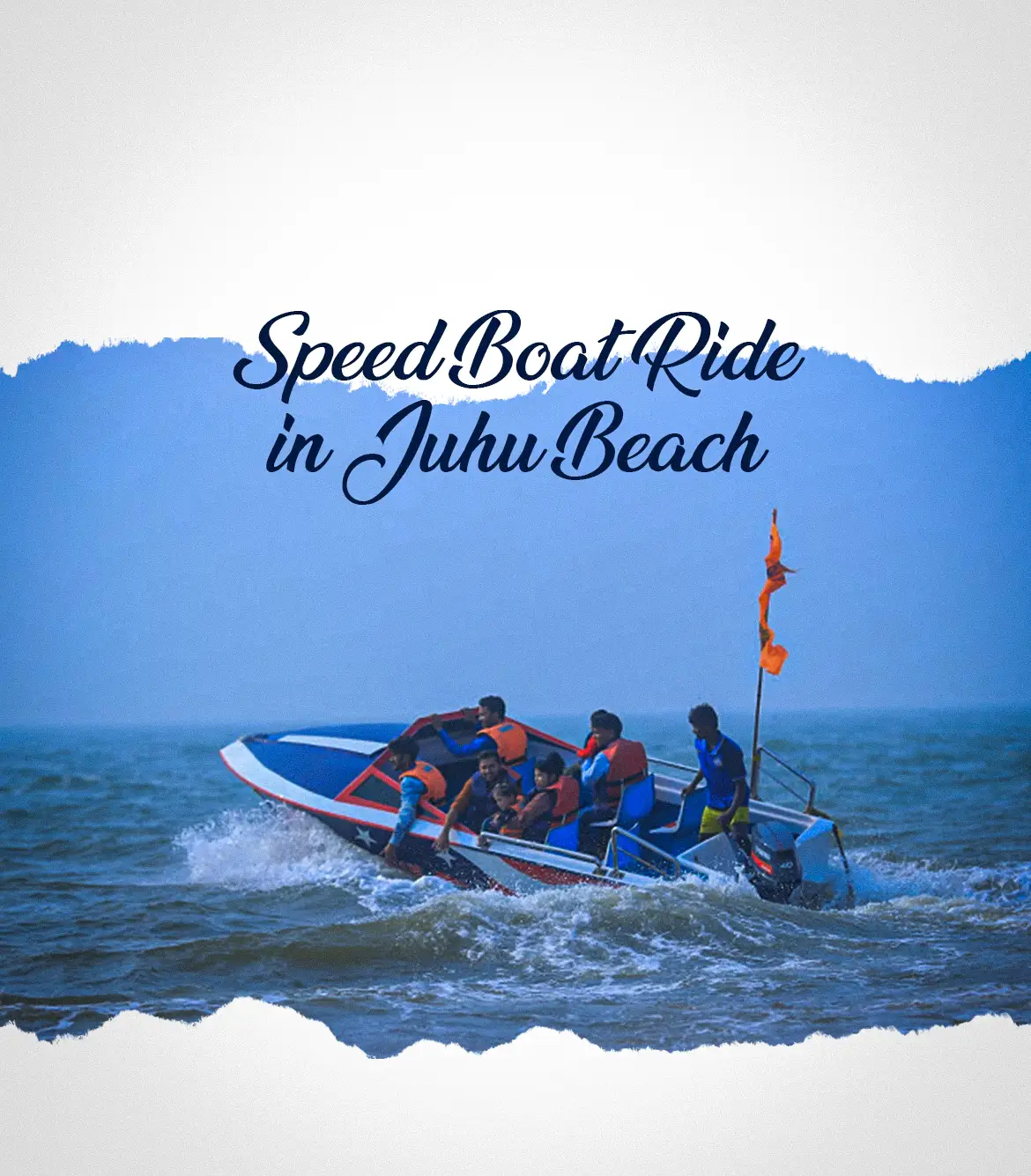
Speed Boat Ride in Juhu Beach
₹ 299
4.5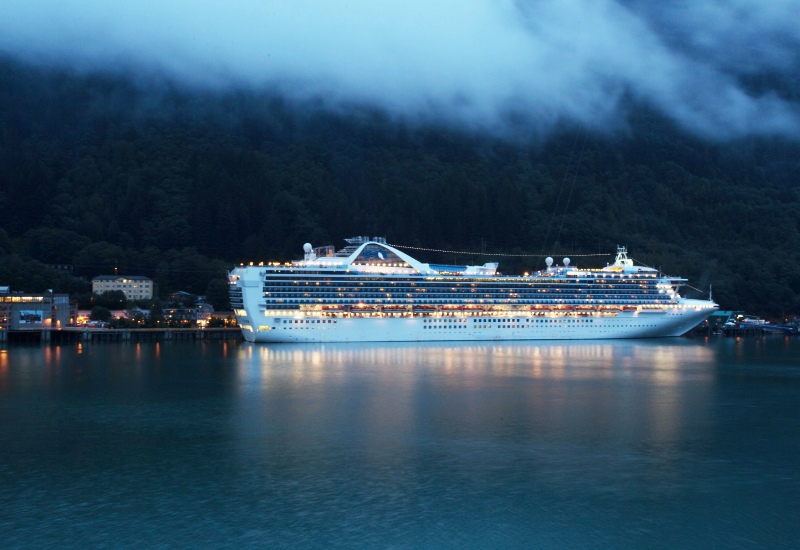
Mumbai luxury speed boat cruise
₹ 18,000
4.5
Sofa Ride in Juhu Beach, Mumbai
₹ 299
4.5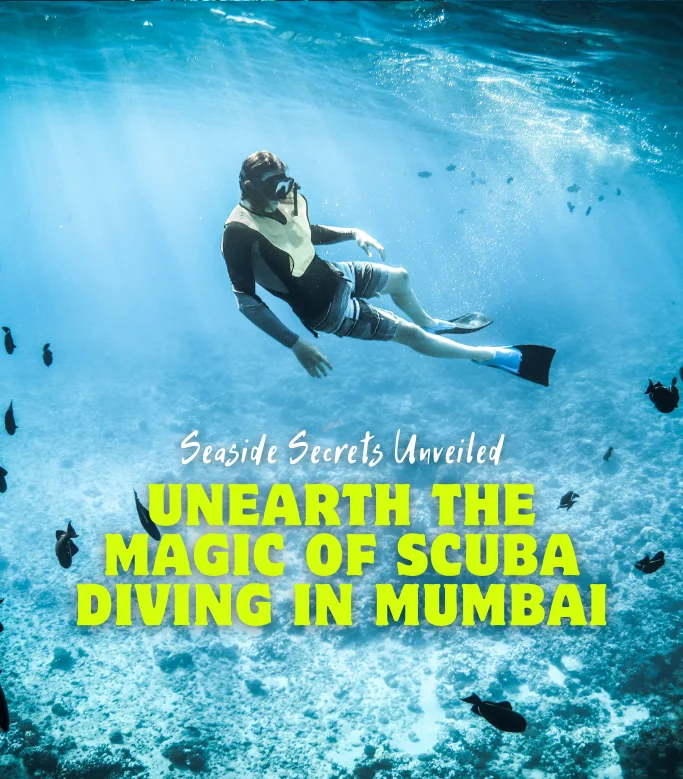
Scuba Diving in Mumbai
₹ 6,490
4.6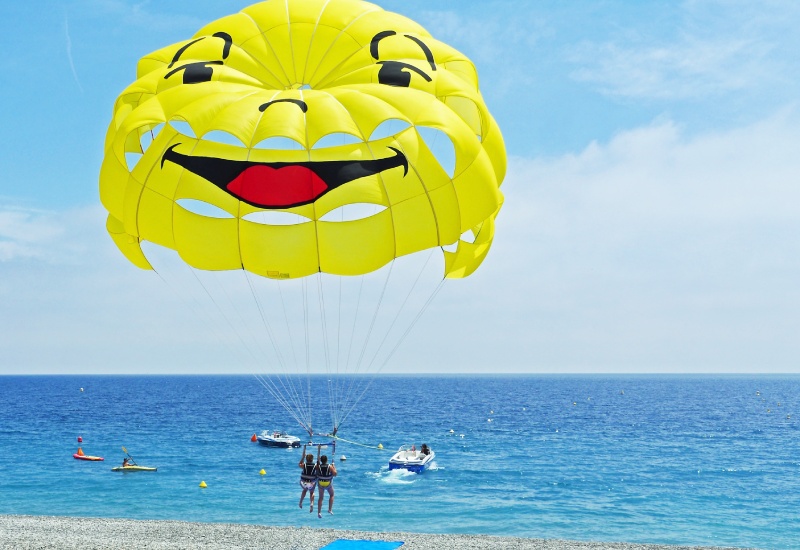
Parasailing in Mumbai
₹ 1,499
4.6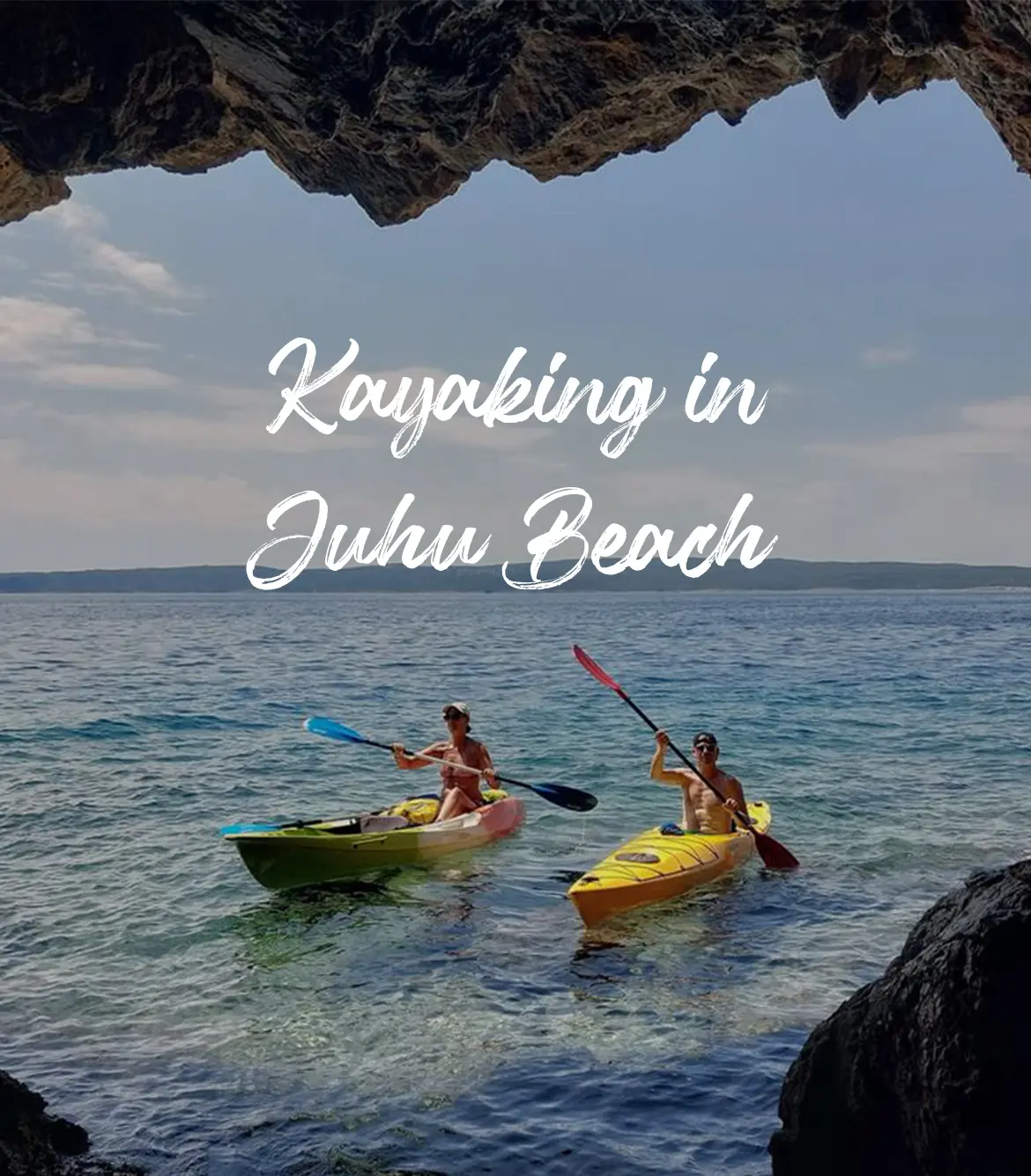
Kayaking in Juhu Beach
₹ 1,999
4.7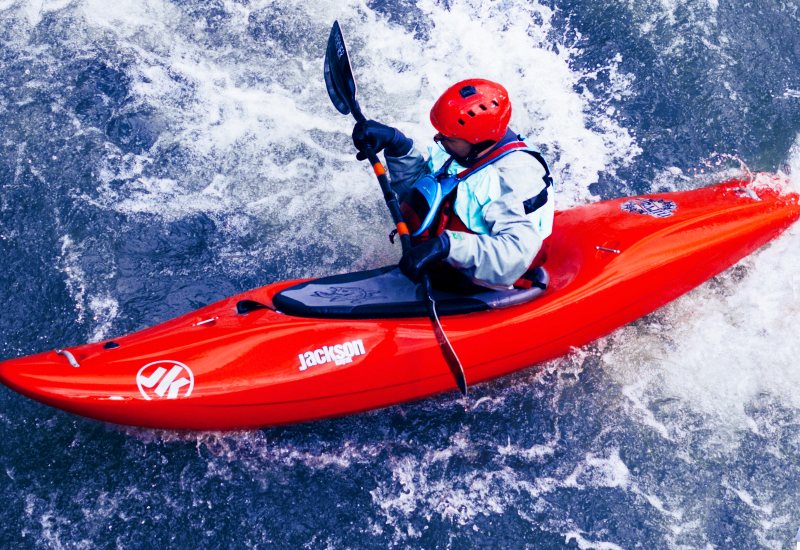
Mumbai Kayaking
₹ 300
4.6
Mandwa Beach Jet Ski Ride
₹ 250
4.7
Jet Ski Scooter in Juhu Beach, Mumbai
₹ 399
4.5
Dolphin Watching In Alibaug
₹ 199
4.5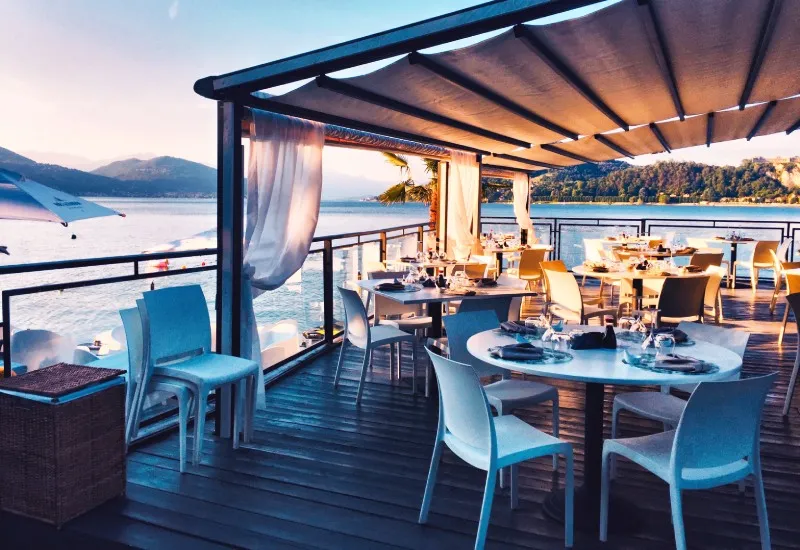
3 Days Cordelia Cruises from Mumbai via Goa
₹ 22,999
4.7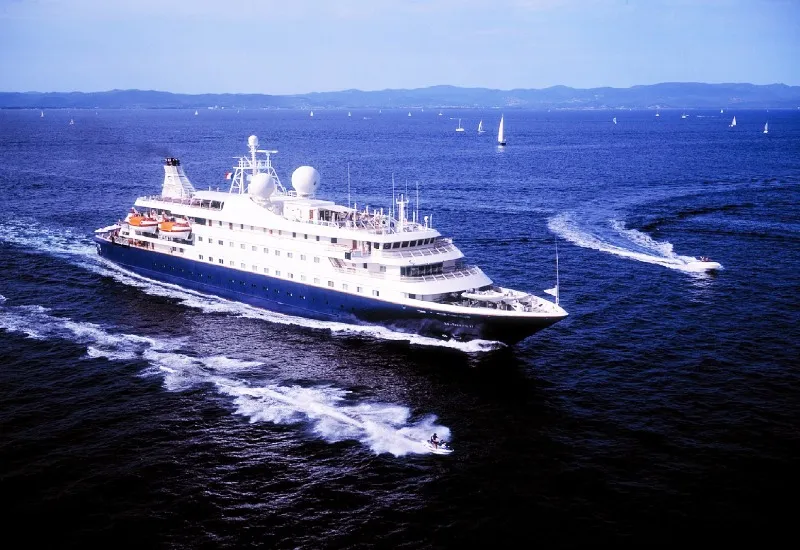
4 Days Cordelia Cruises from Goa to Mumbai via Lakshdweep
₹ 48,719
4.5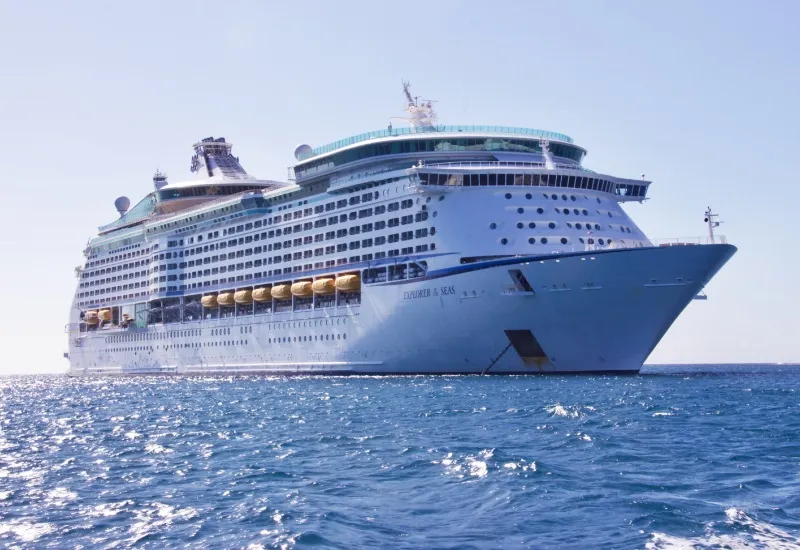
3 Days Cordelia Cruises from Mumbai to Goa
₹ 22,999
4.6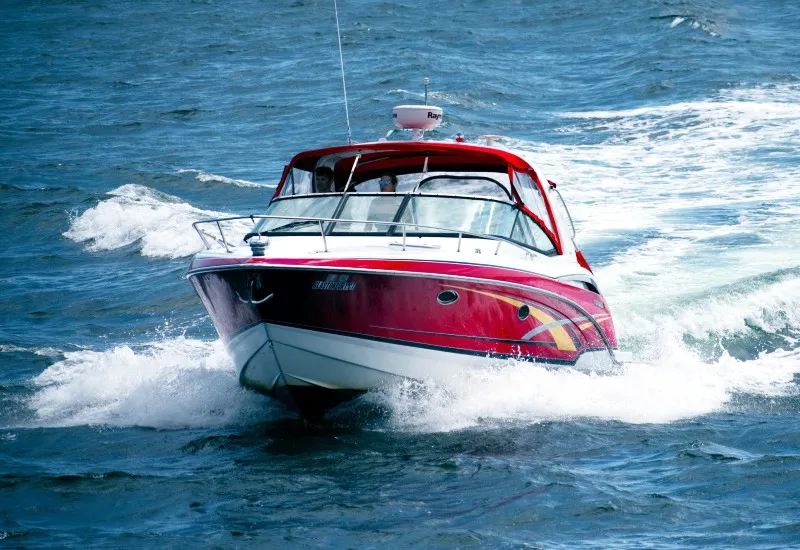
Juhu Chowpatty Boating
₹ 3,779
4.7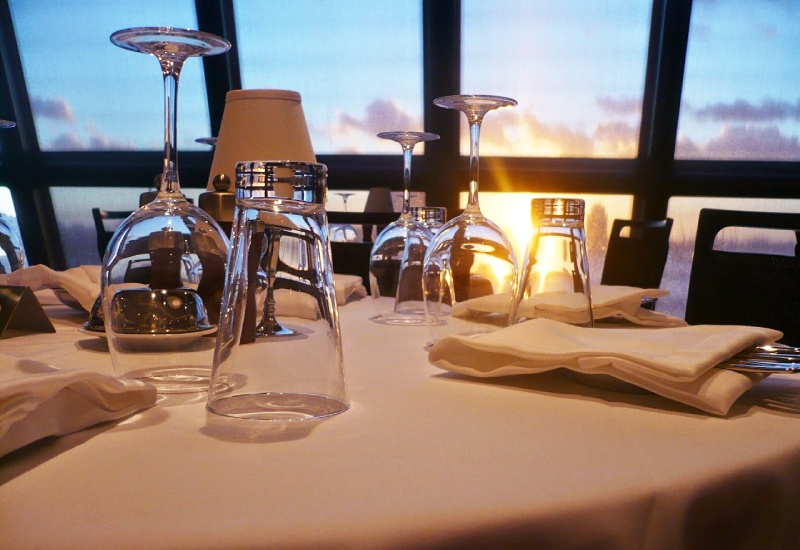
Boat Dinner In Mumbai
₹ 15,999
4.5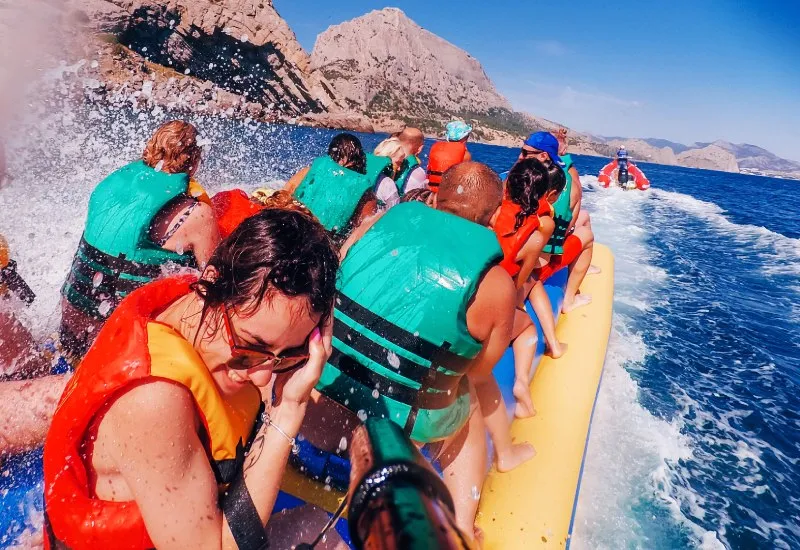
Banana Ride at Juhu Beach, Mumbai
₹ 299
4.5Guided Explorations
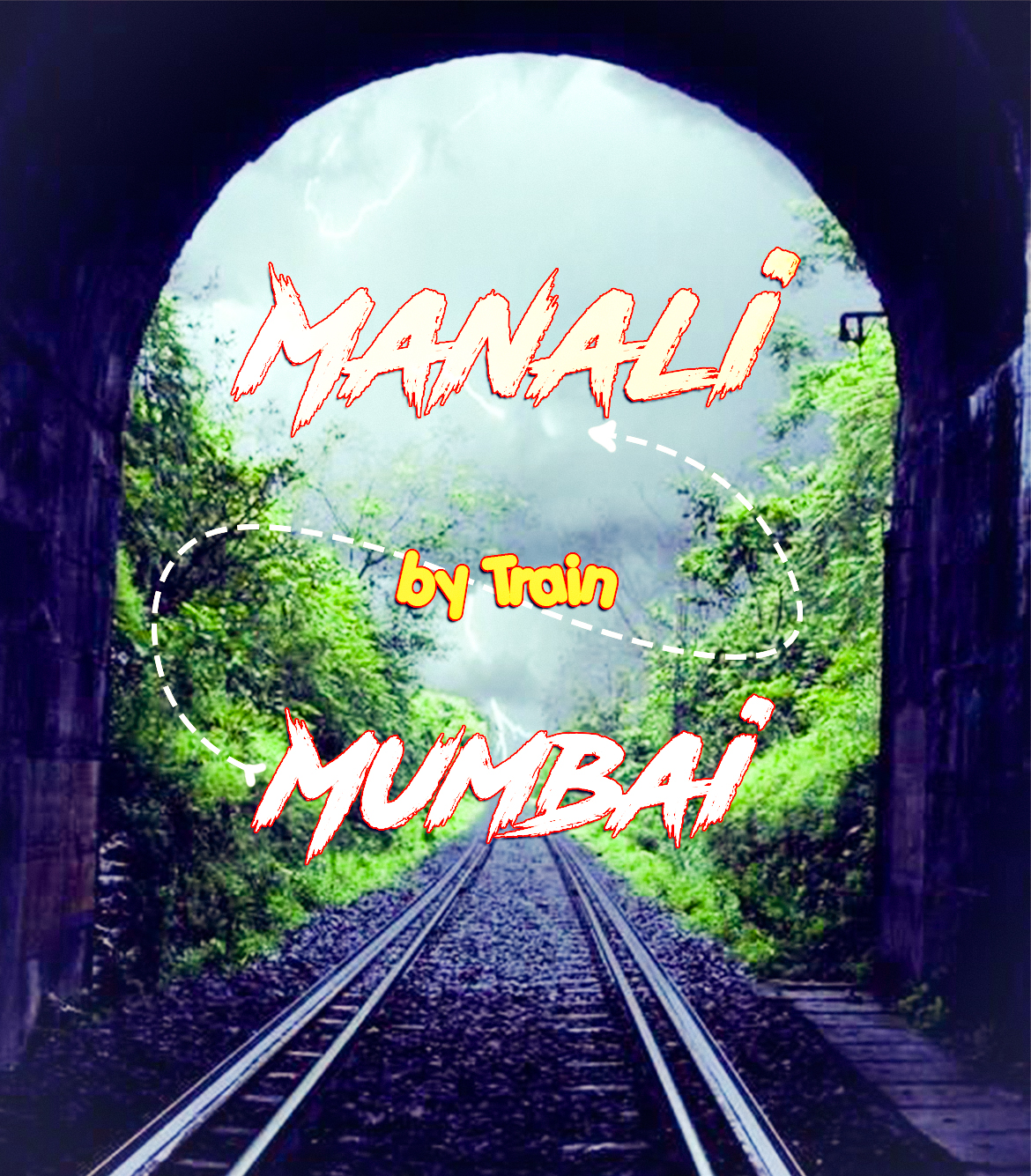
Manali Tour Package from Mumbai by Train
₹ 15,499
4.7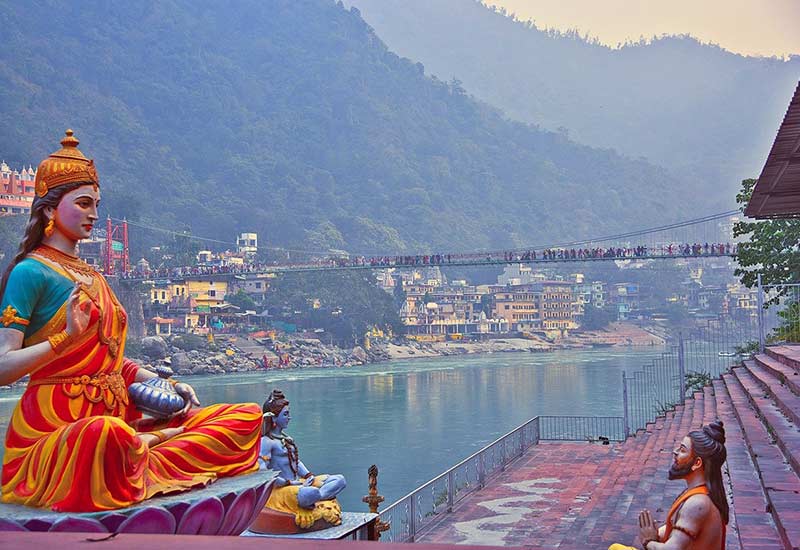
Kedarnath Tour from Mumbai with Rishikesh Stay
₹ 13,999
4.6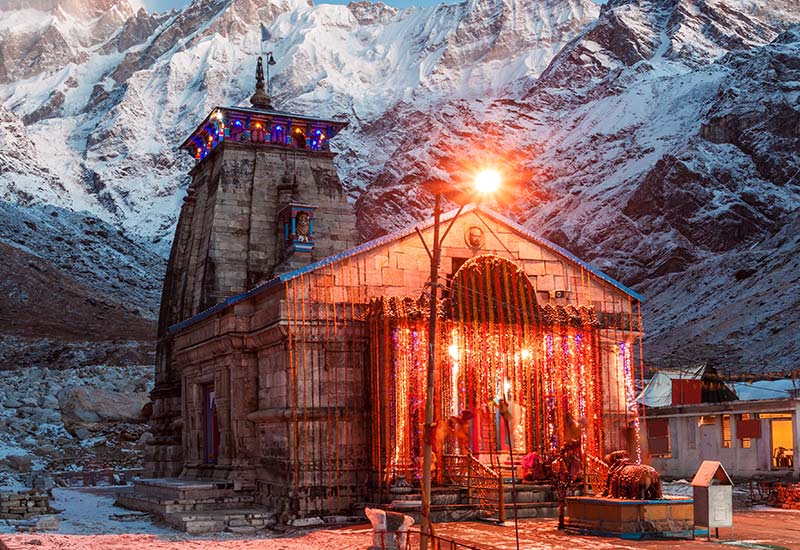
Do Dham Group Yatra Package from Mumbai
₹ 17,499
4.6
Shimla Manali Tour Package From Mumbai By Flight
₹ 26,499
4.9
Shimla Manali Tour Package from Mumbai by Train
₹ 15,499
4.6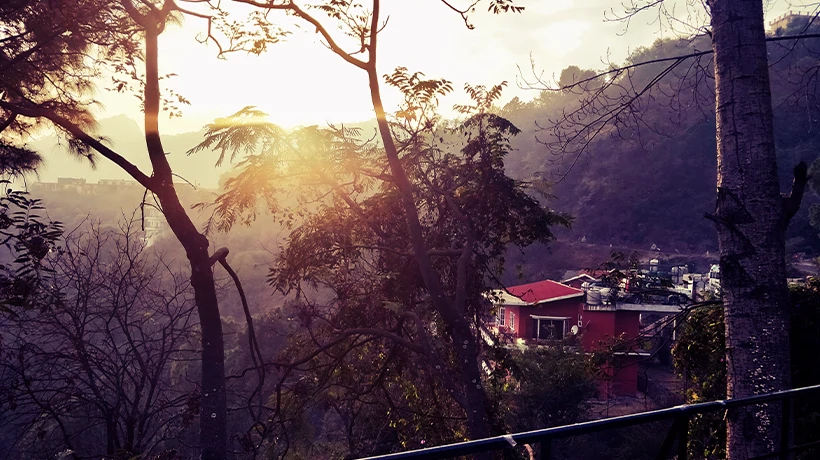
Manali Tour Package from Mumbai
₹ 14,499
4.6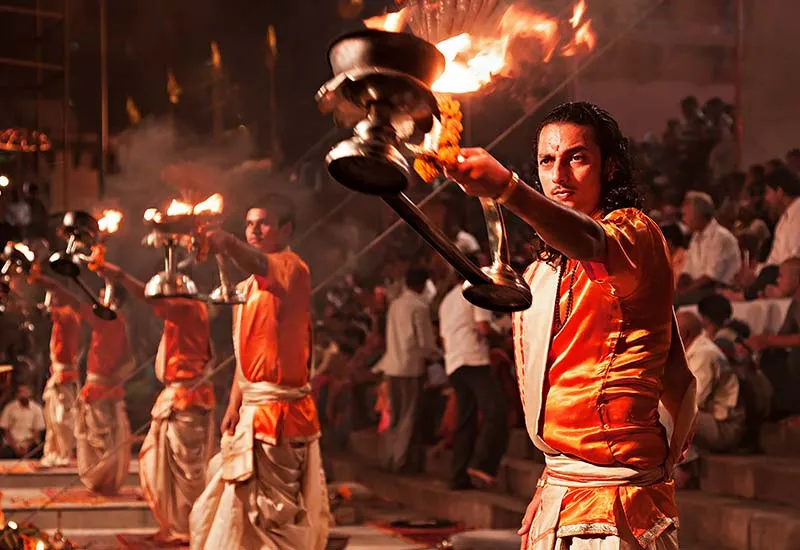
Kashi Tour Package from Mumbai
₹ 7,499
4.7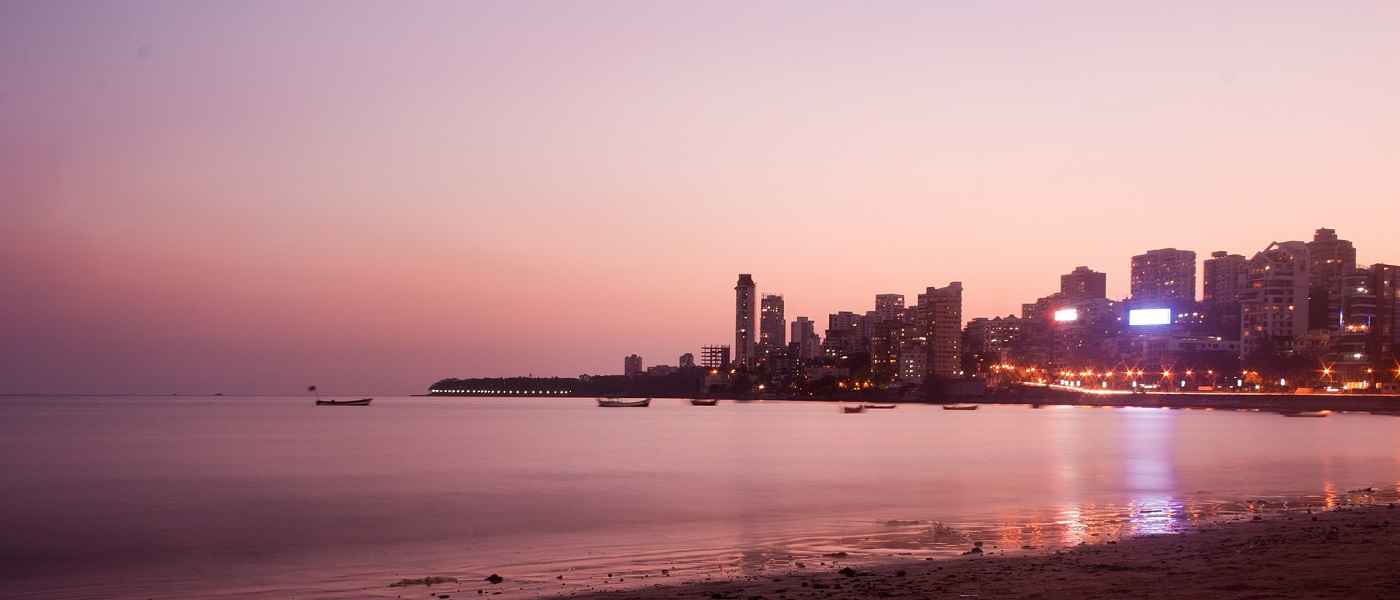
Two Days Mumbai Tour Package from Mumbai
₹ 18,631
4.7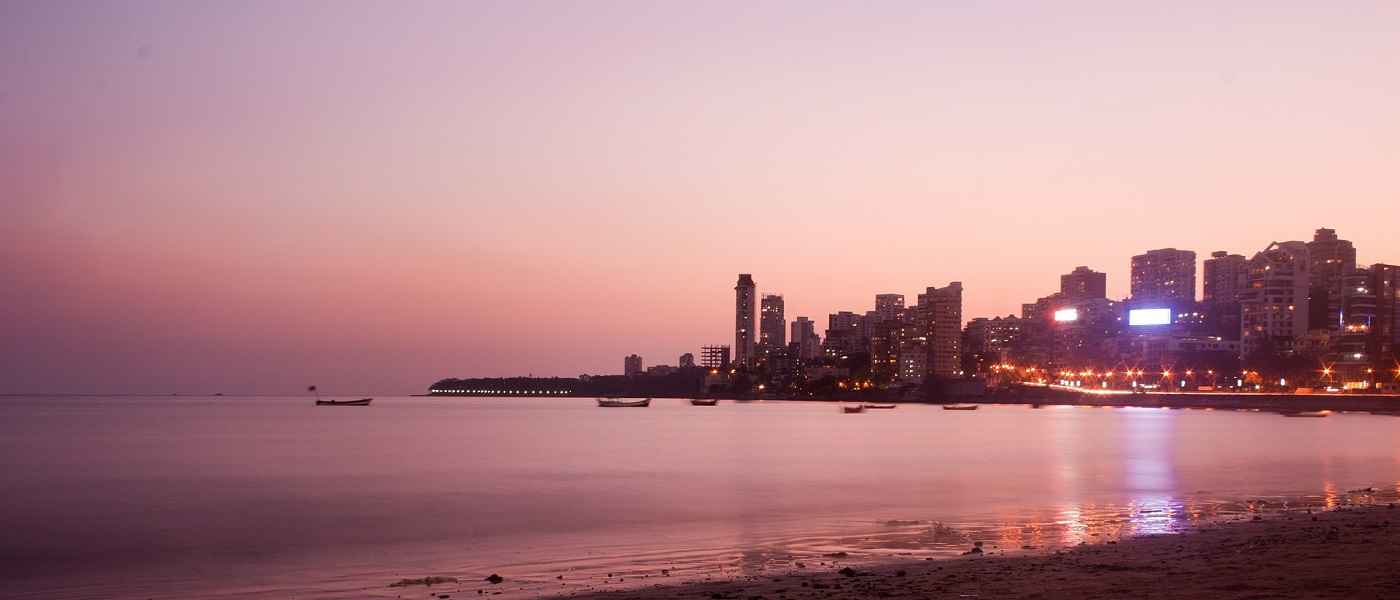
Three Days Mumbai Tour Package from Mumbai
₹ 26,899
4.7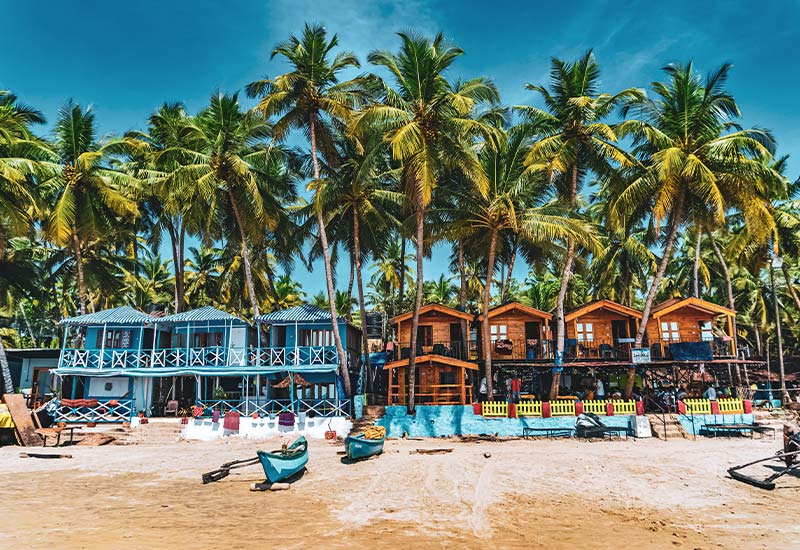
Goa Tour Package from Mumbai
₹ 12,999
4.5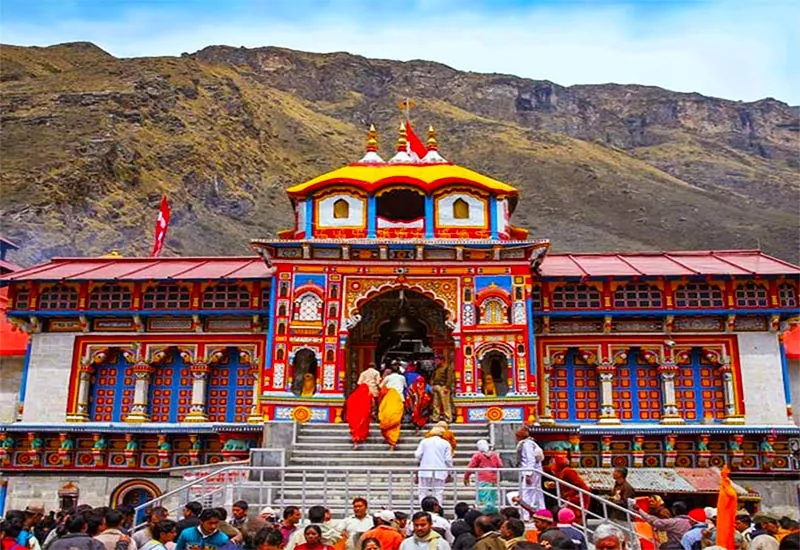
Char Dham Yatra Package from Mumbai
₹ 17,499
4.7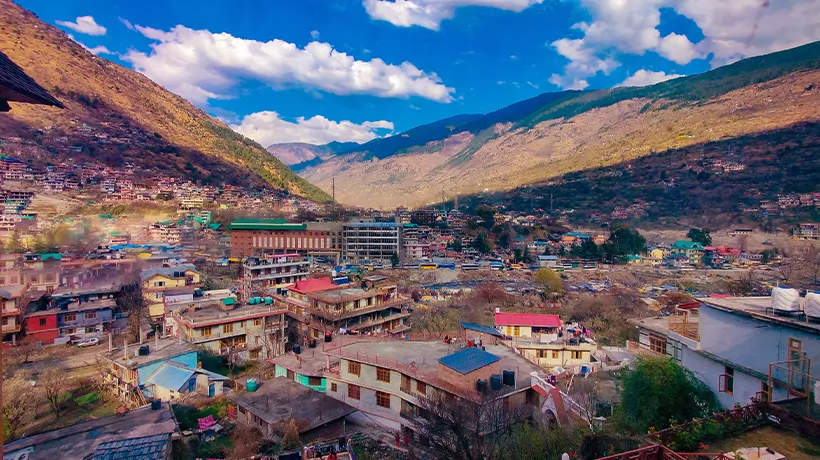
Shimla Manali Tour Package from Mumbai
₹ 16,499
4.7One Day Trips
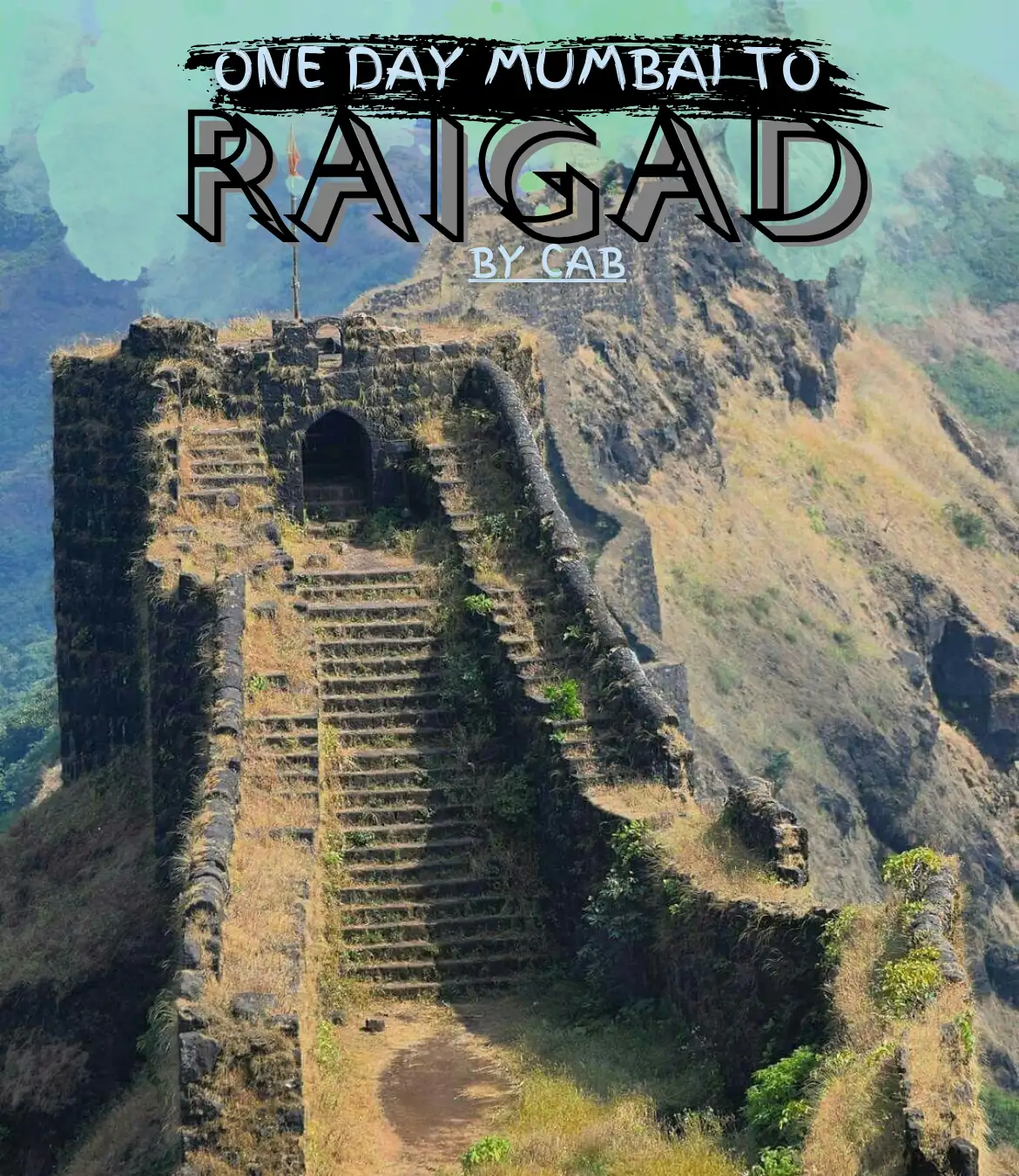
One Day Mumbai to Raigad Fort Trip by Cab
₹ 4,800
4.5One Day Mumbai to Raigad Fort Trip by Cab
₹ 4,800
4.5
Mumbai City Sightseeing & Elephanta Caves Tour
₹ 2,800
4.7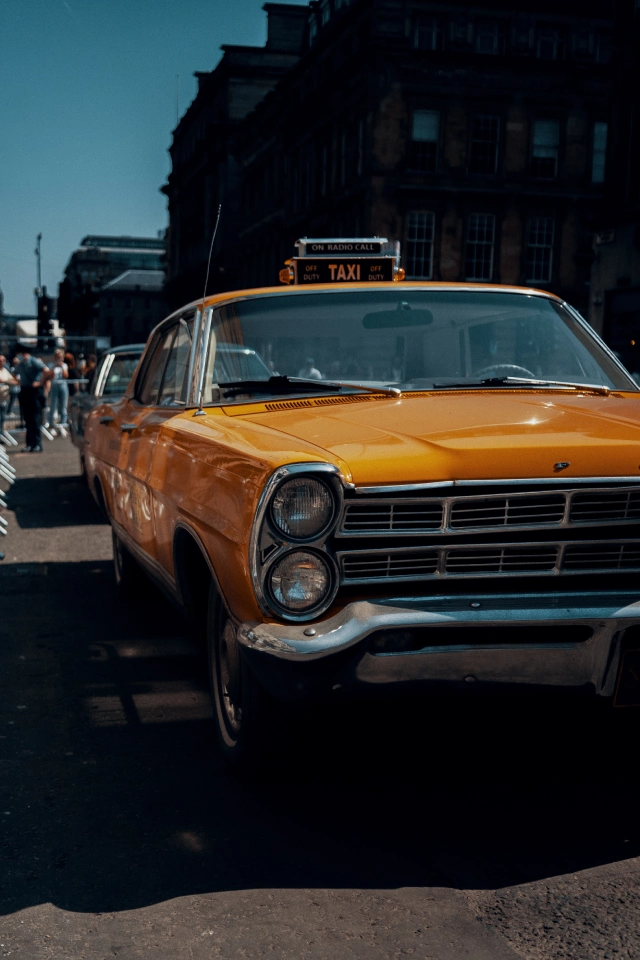
One Day Mumbai to Mahabaleshwar Trip by Cab
₹ 8,700
4.5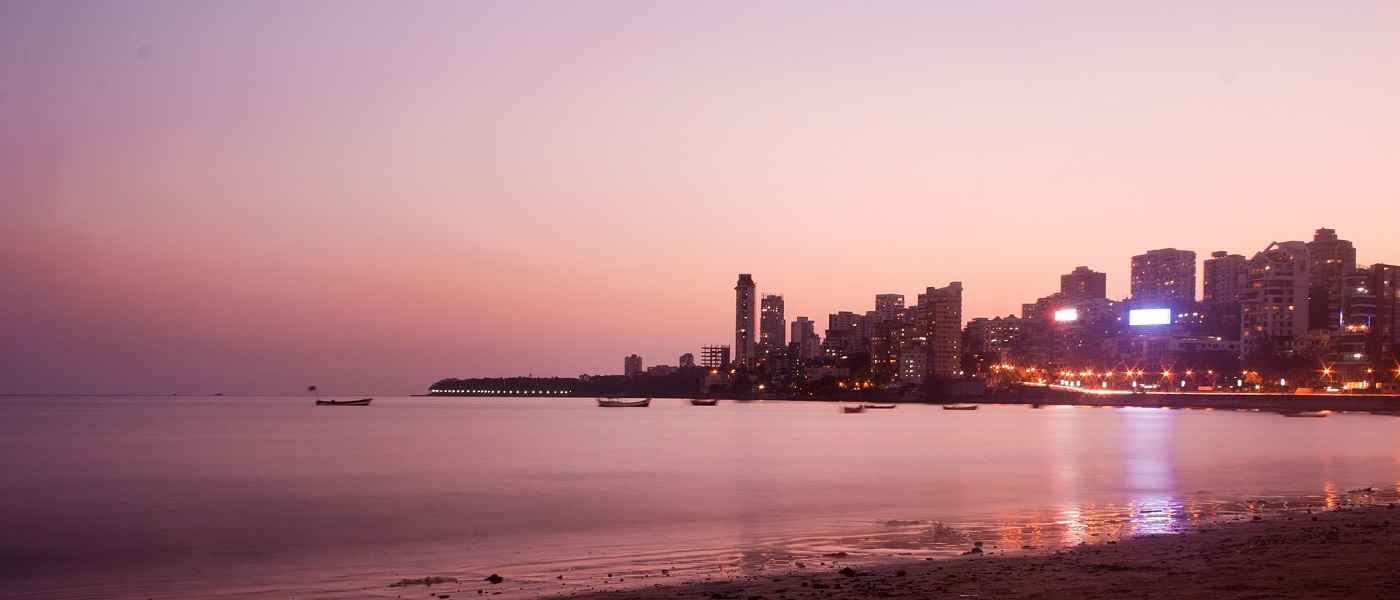
Mumbai By Dawn Tour
₹ 4,199
4.7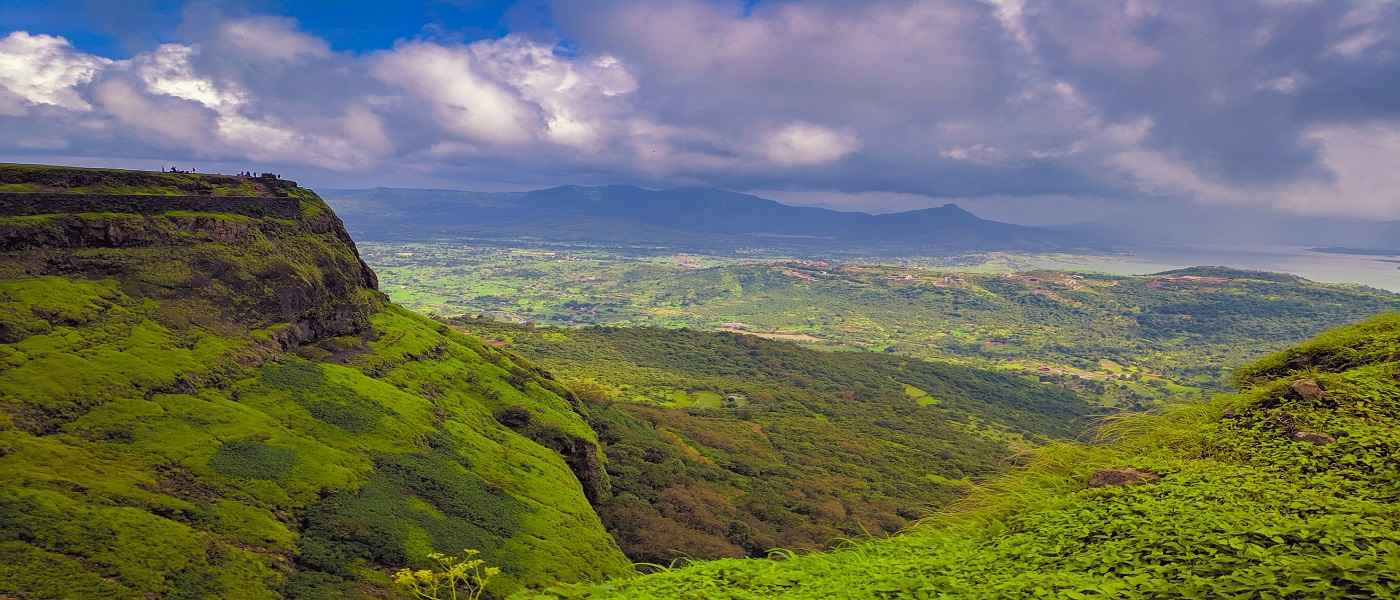
City Sightseeing & Bollywood Tour in Mumbai
₹ 2,800
4.8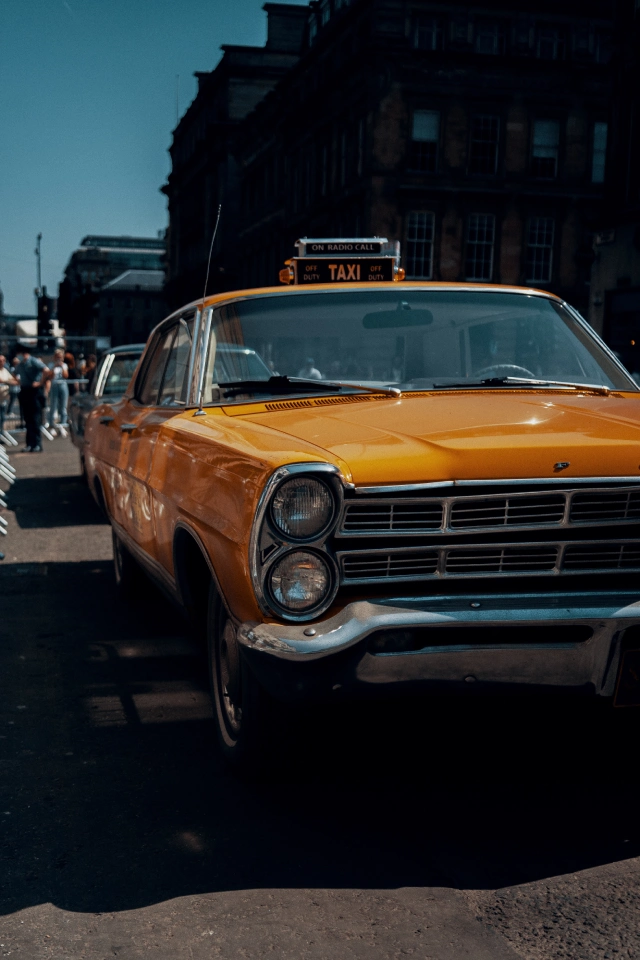
One Day Mumbai to Lonavala & Khandala Trip by Cab
₹ 5,199
4.7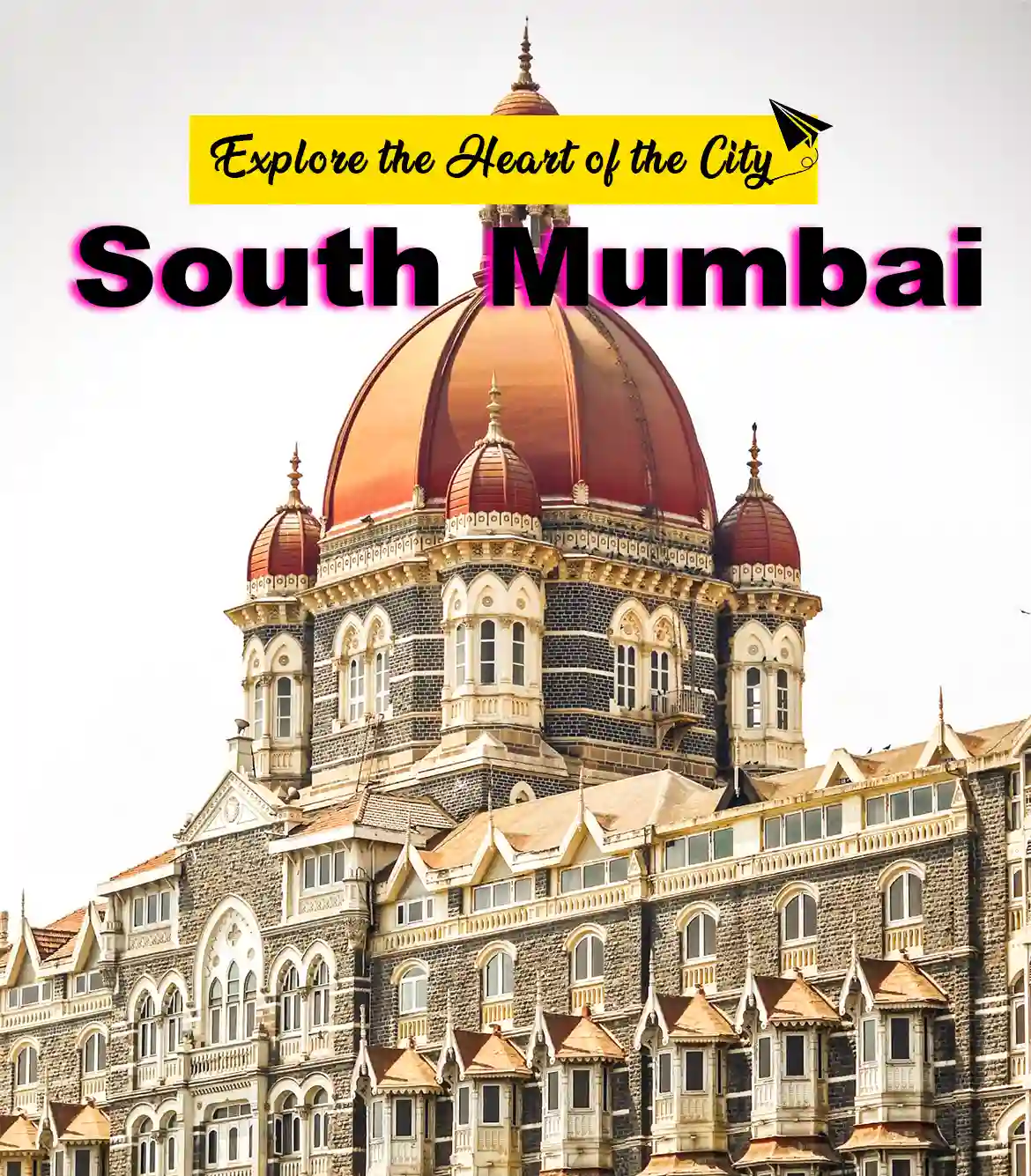
One Day South Mumbai Sightseeing Trip
₹ 3,499
4.8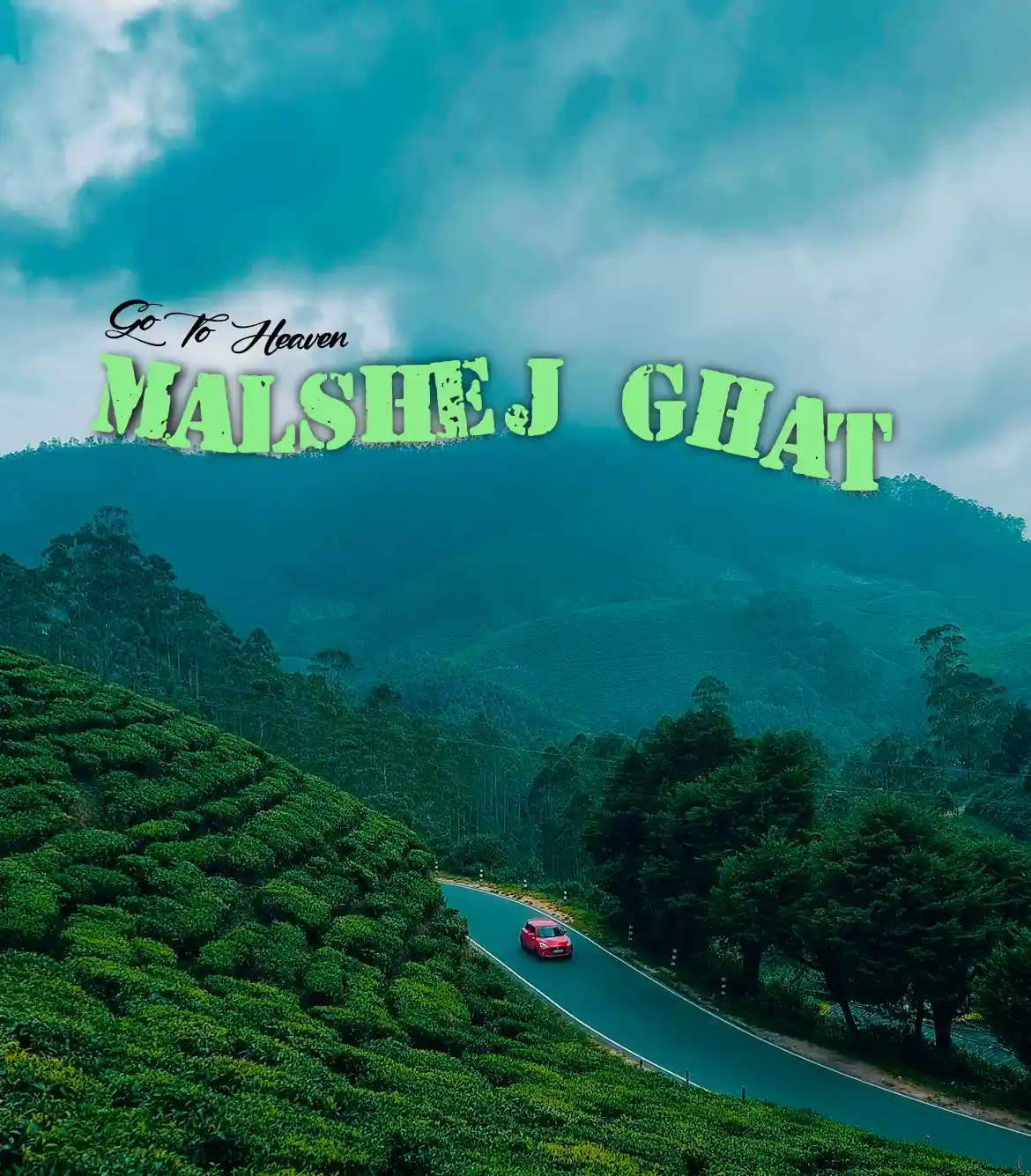
One Day Mumbai to Malshej Ghat Trip
₹ 4,999
4.7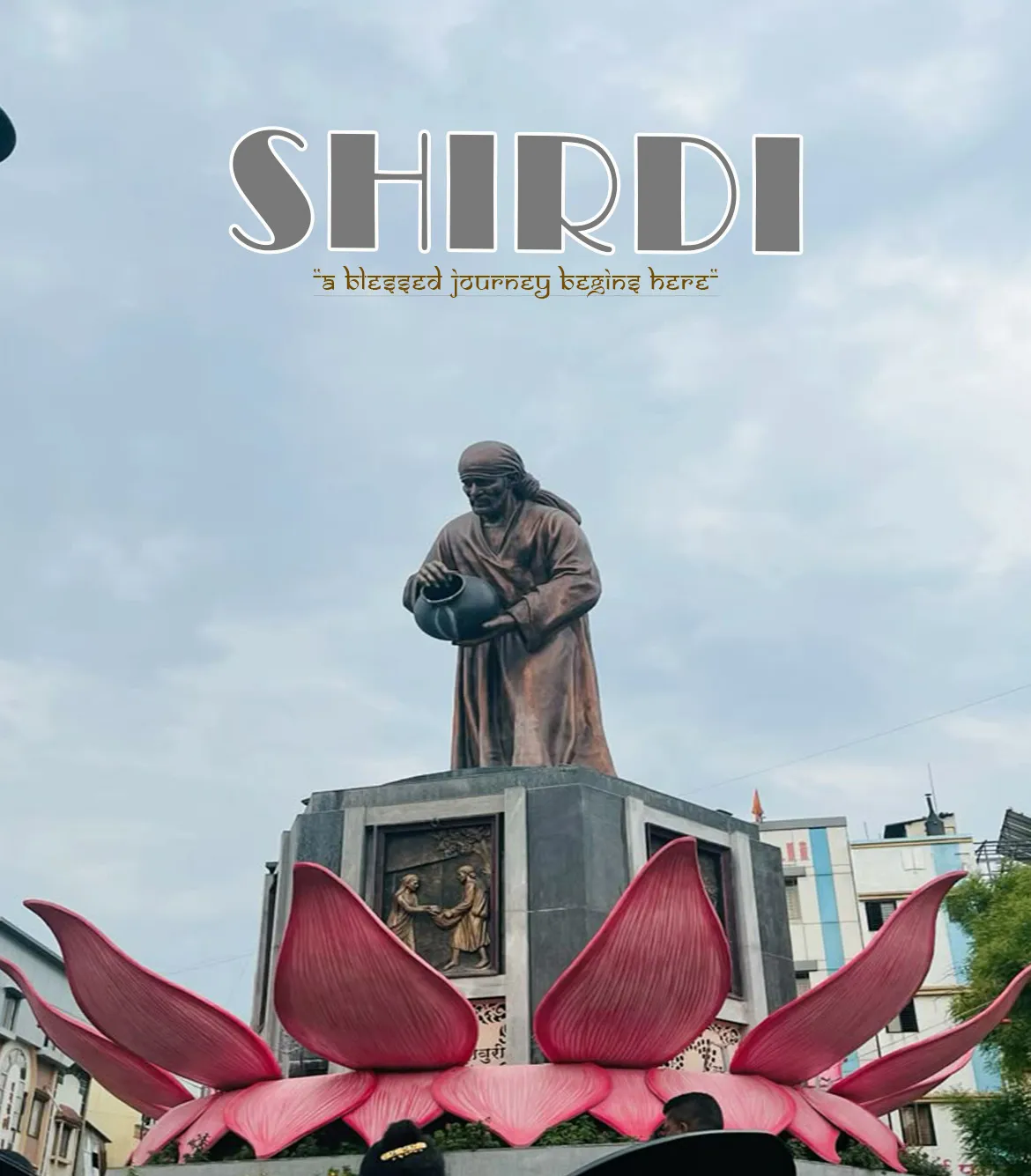
One Day Mumbai to Shirdi Trip
₹ 7,999
4.7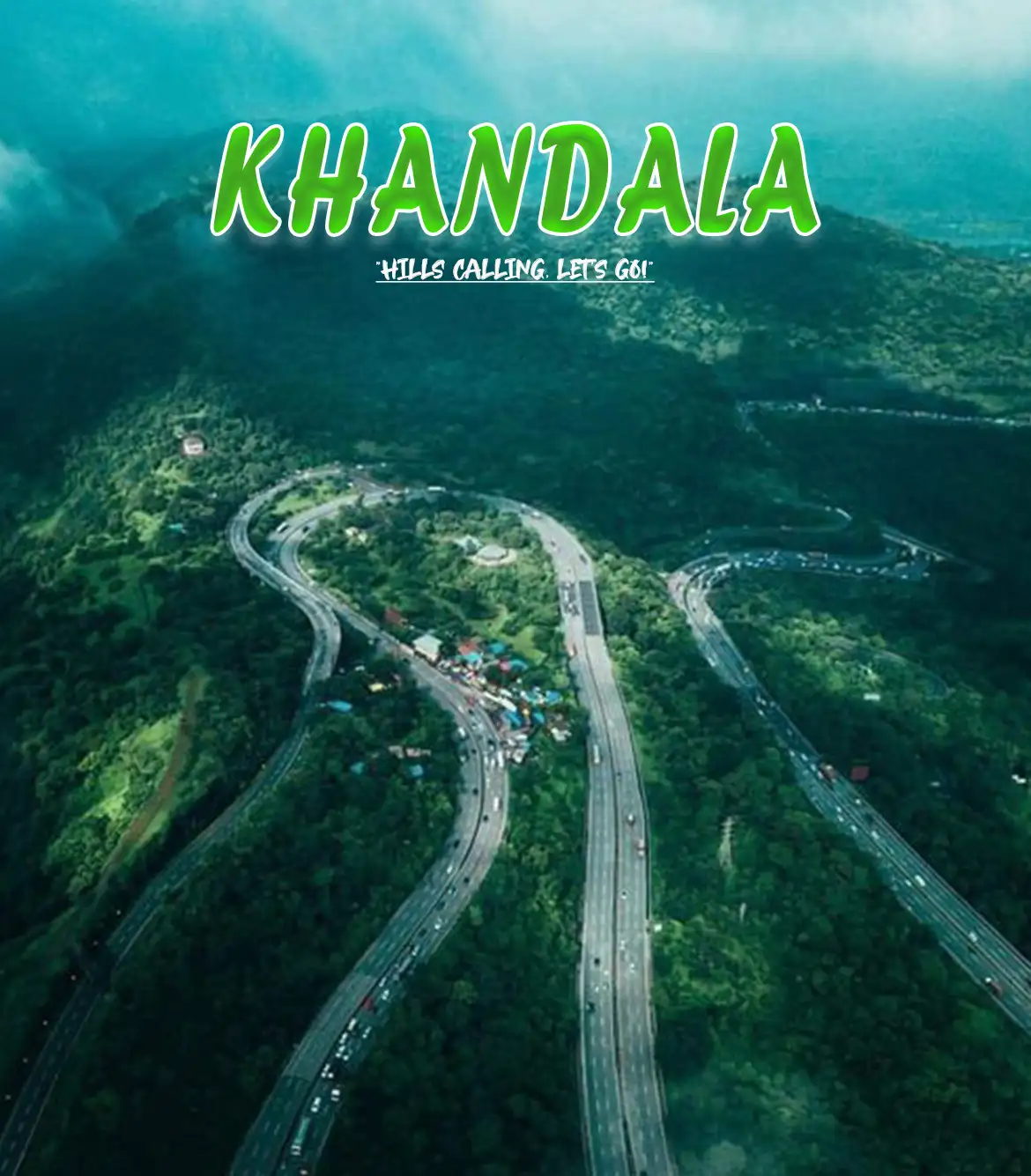
One Day Mumbai to Khandala Trip
₹ 4,499
4.7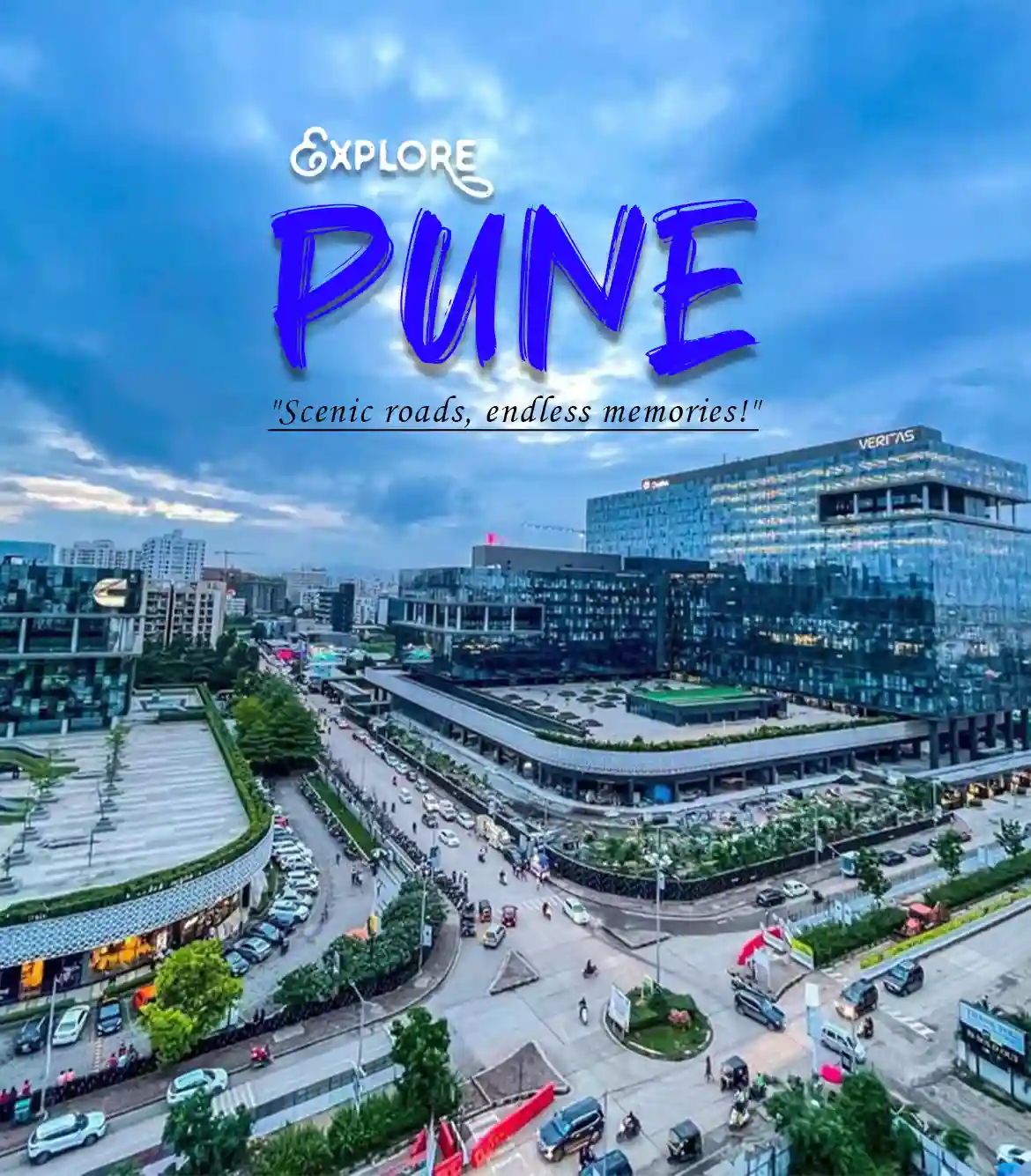
One Day Mumbai to Pune Trip
₹ 4,999
4.6Adventure Awaits
Bandra Walking Tour
₹ 999
4.8
Harihar Trek from Mumbai
₹ 1,199
4.5
Let's Play Trampoline Park Andheri Tickets
₹ 299
4.6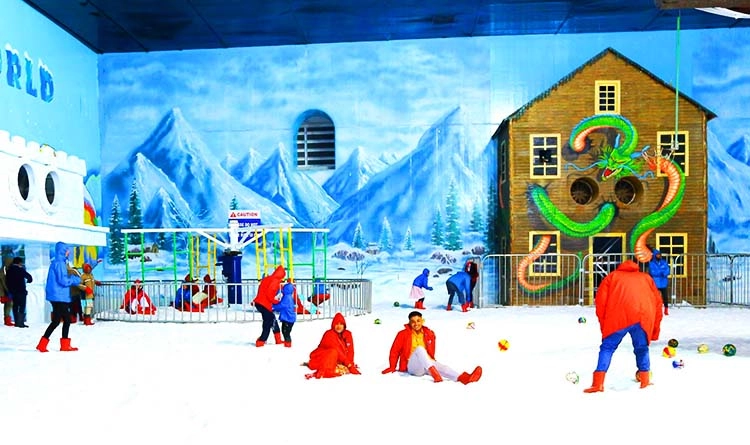
Snow Kingdom Mumbai
₹ 749
4.8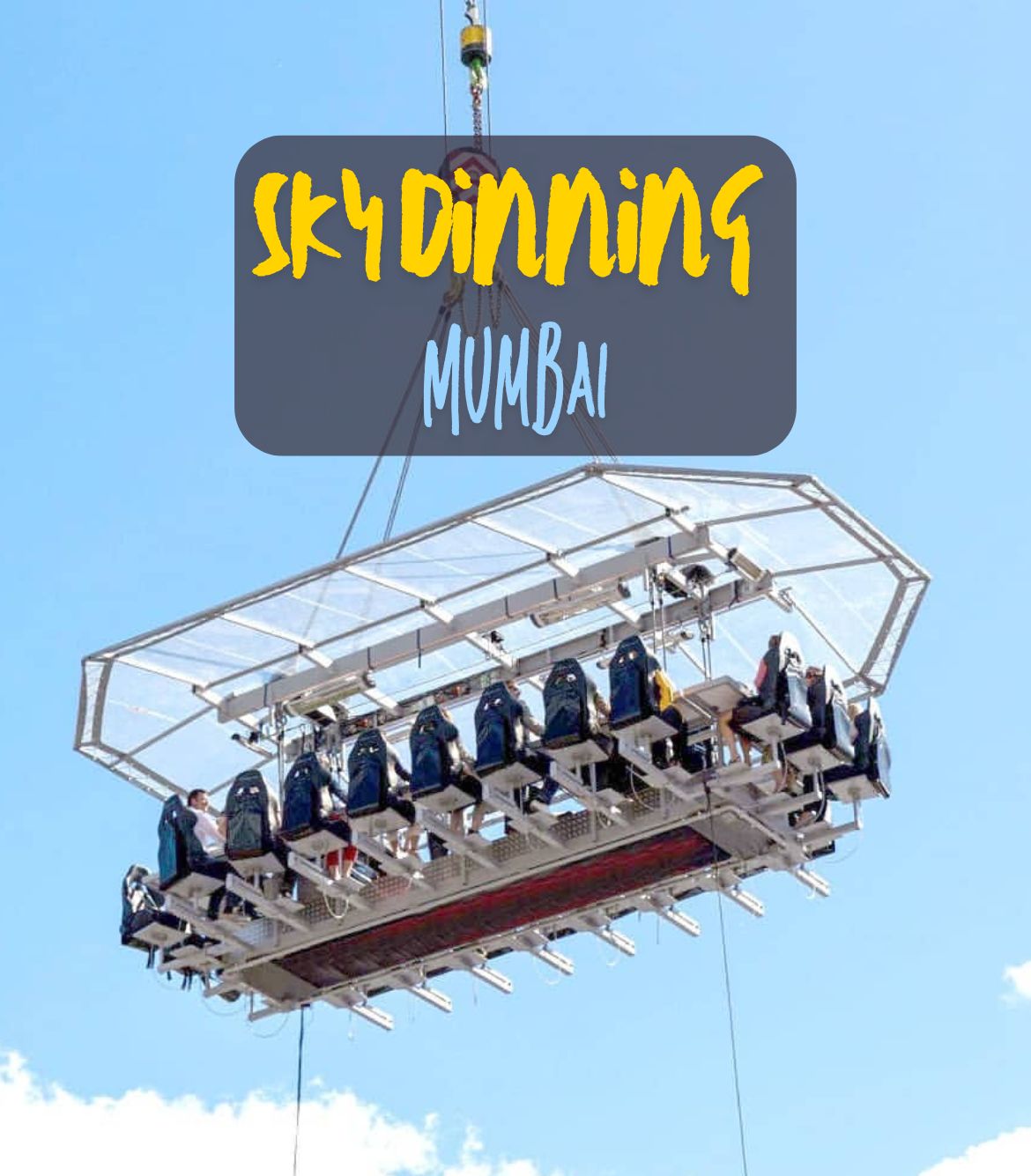
Sky Dining Mumbai
₹ 1,499
4.7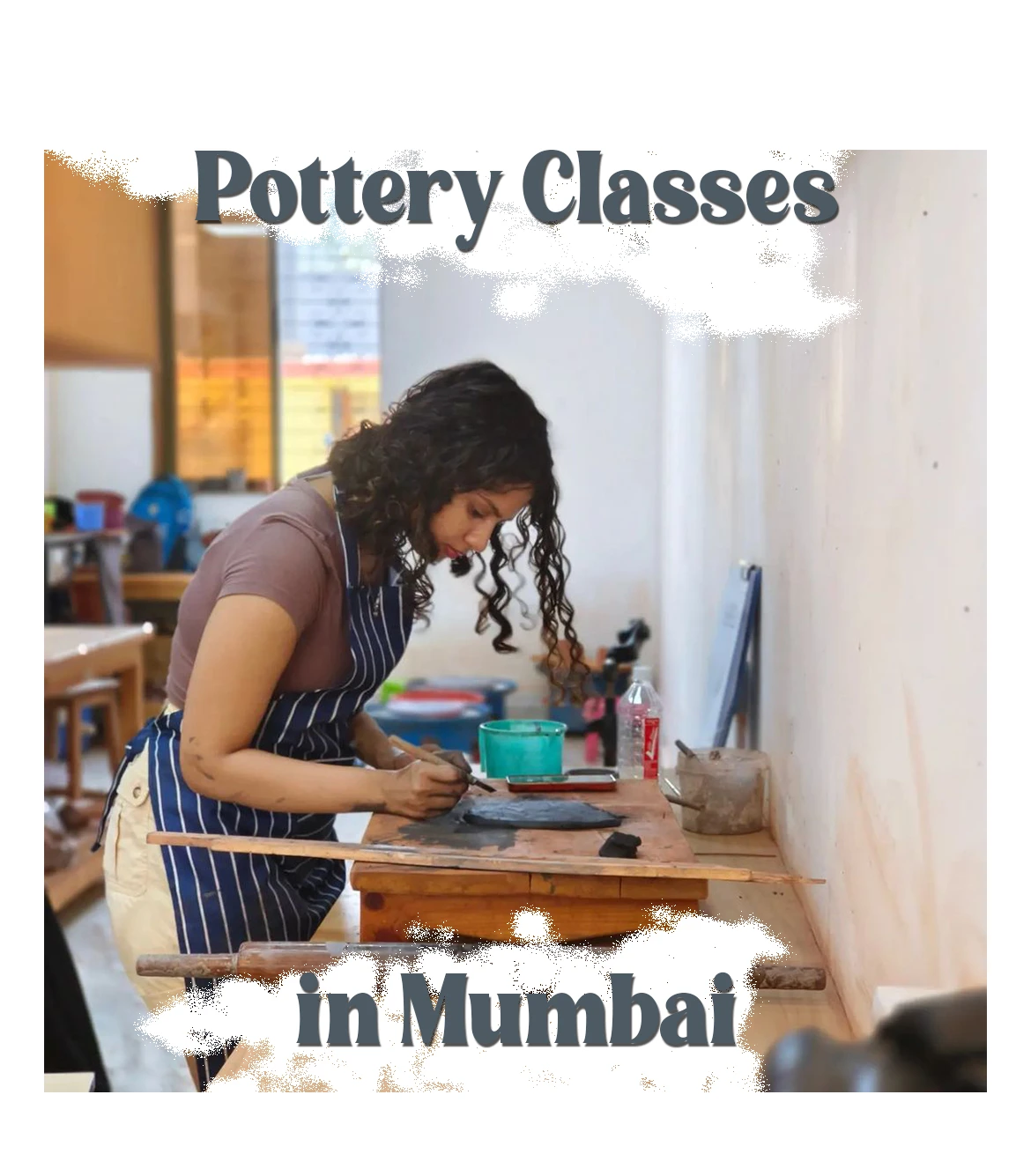
Pottery Classes in Mumbai
₹ 1,199
4.8
Headrush Paintball, Mumbai
₹ 649
4.5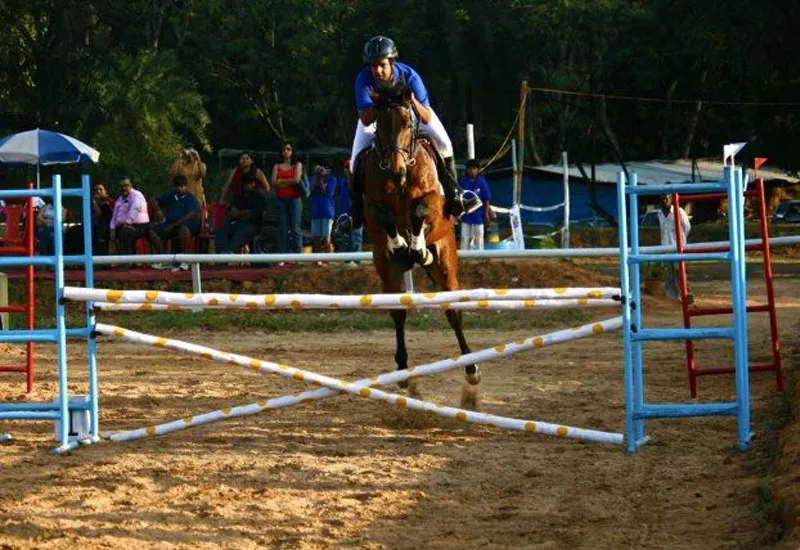
Horse Riding in Mumbai
₹ 299
4.7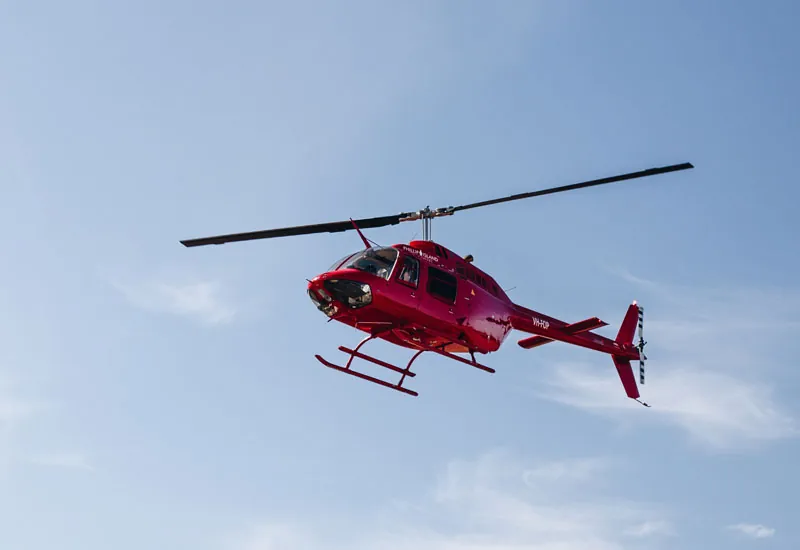
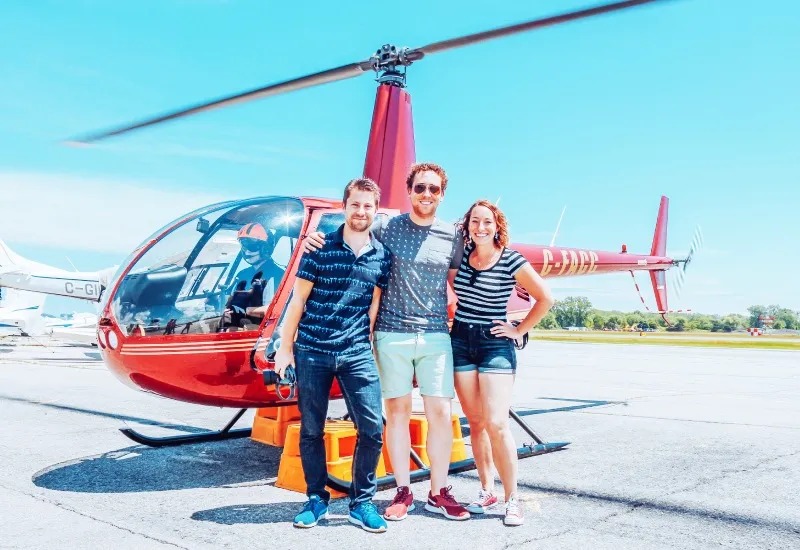
Helicopter Ride from Mumbai to Pune
₹ 19,899
4.8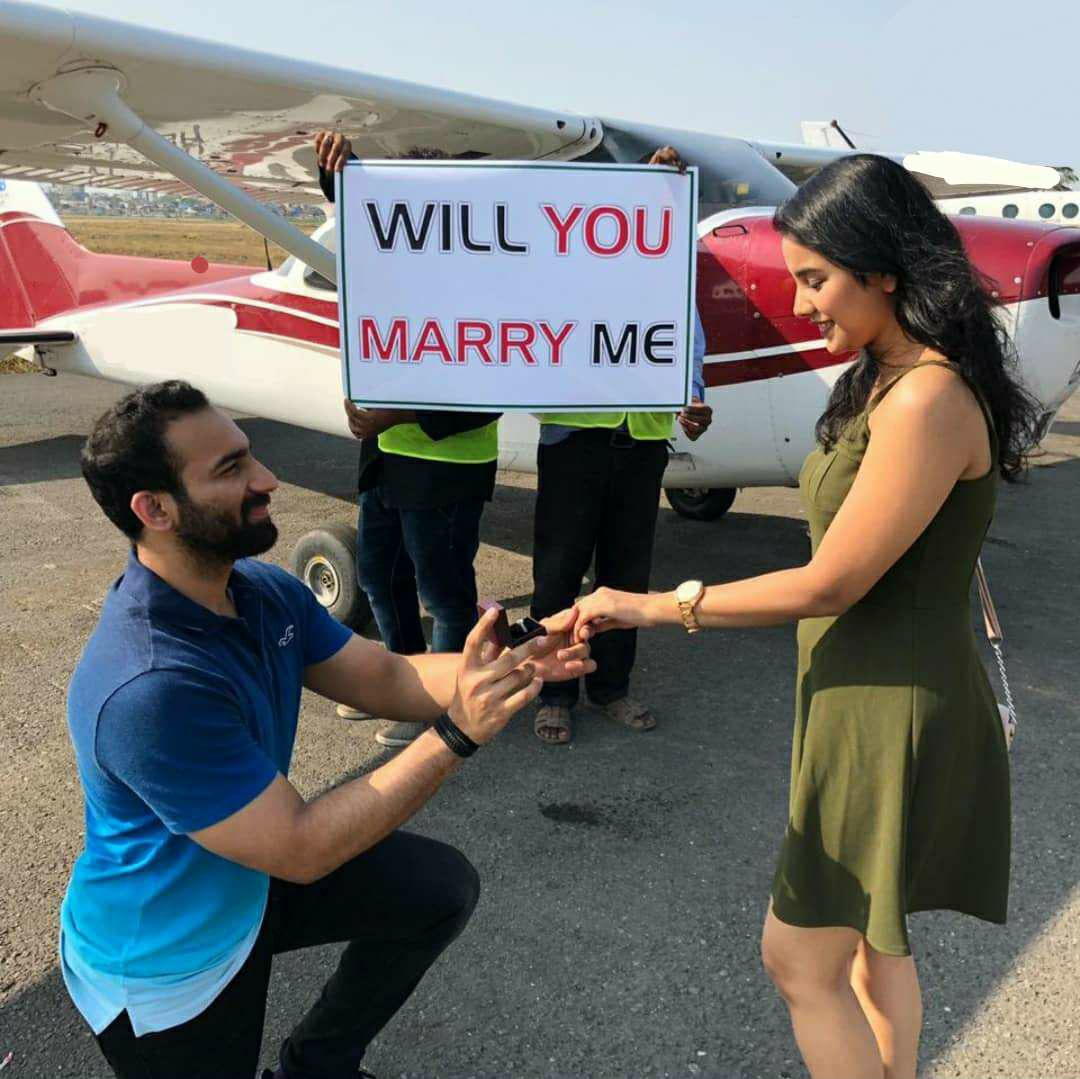
Mumbai Aircraft Joyride
₹ 31,999
4.5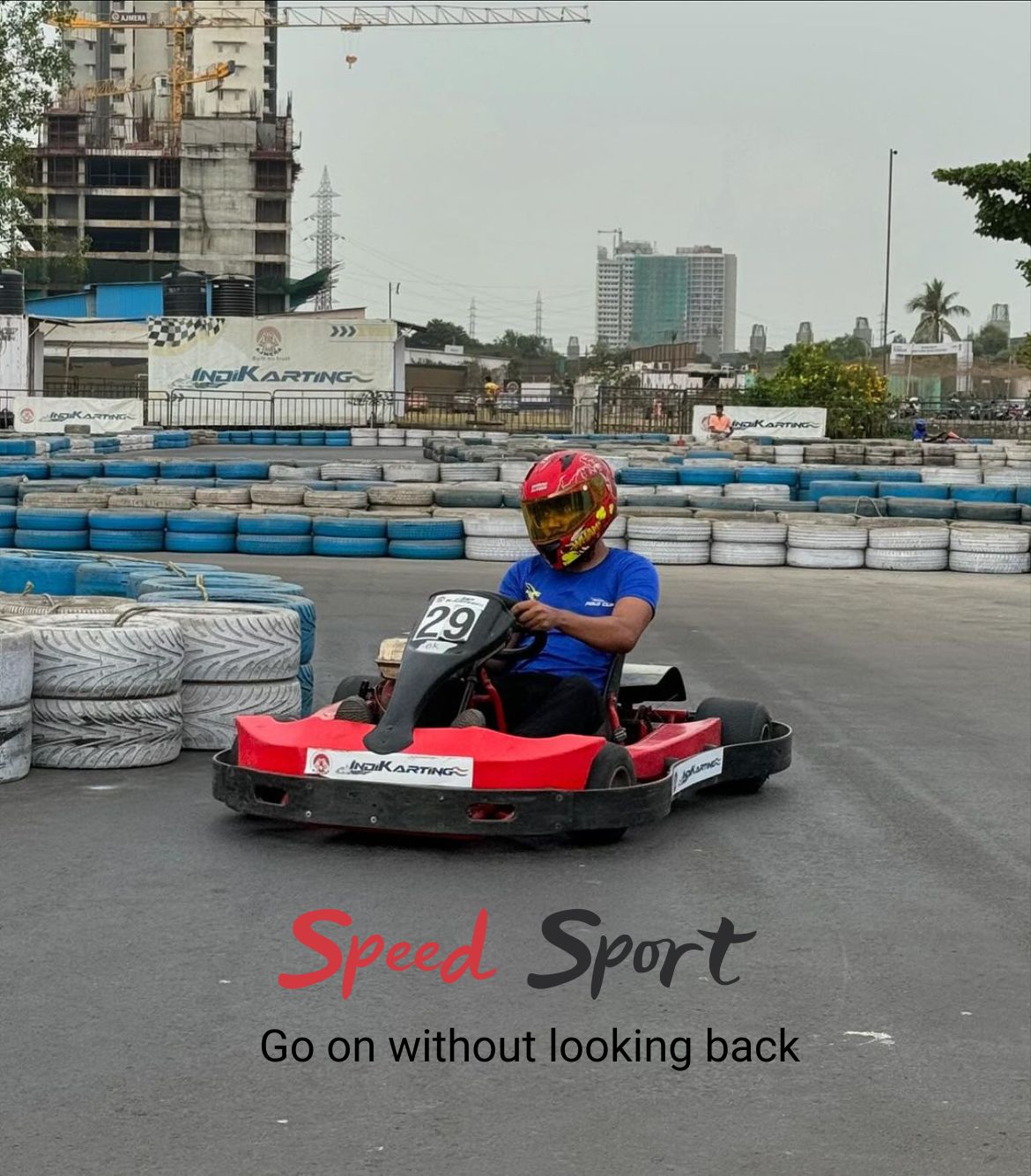
Go Karting in Mumbai
₹ 549
4.8
Day Outing at Sangrila Resort and Waterpark Mumbai
₹ 1,049
4.7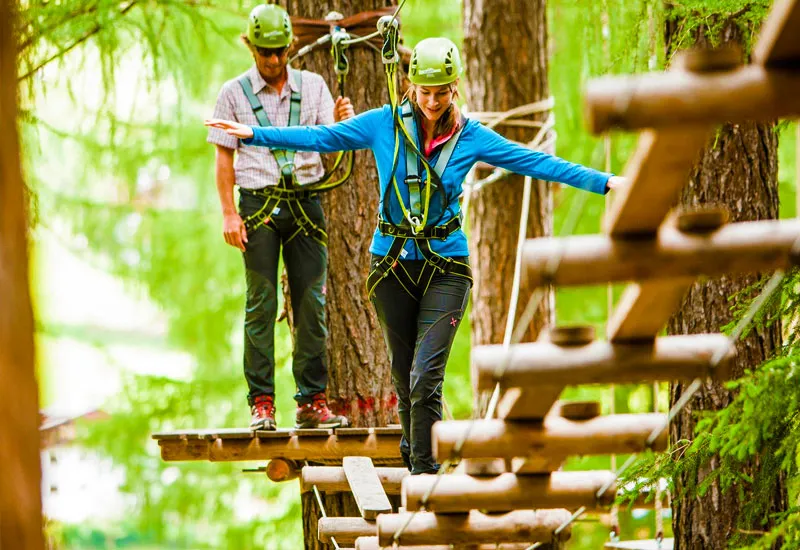
Srushti Farm Day Out Package
₹ 899
4.7
Day Out at Farm Regency Resort Mumbai
₹ 350
4.7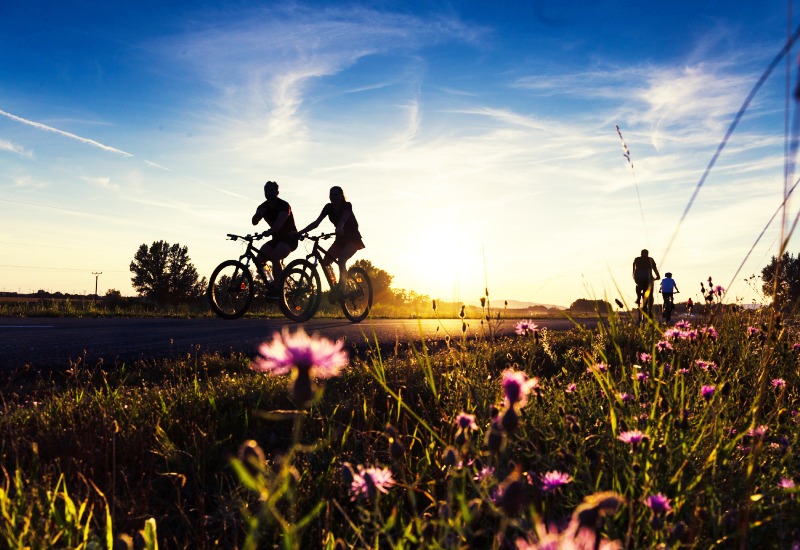
Midnight Cycling Mumbai
₹ 399
4.7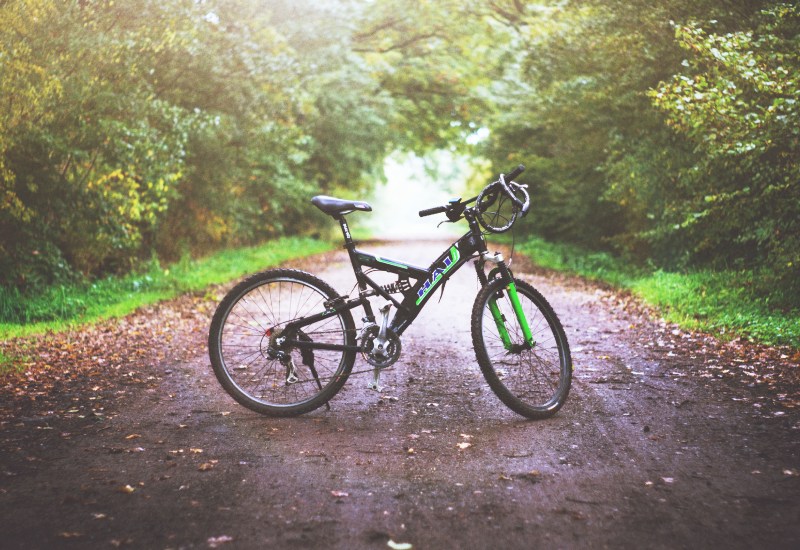
Midnight Cycling in Pune
₹ 549
4.8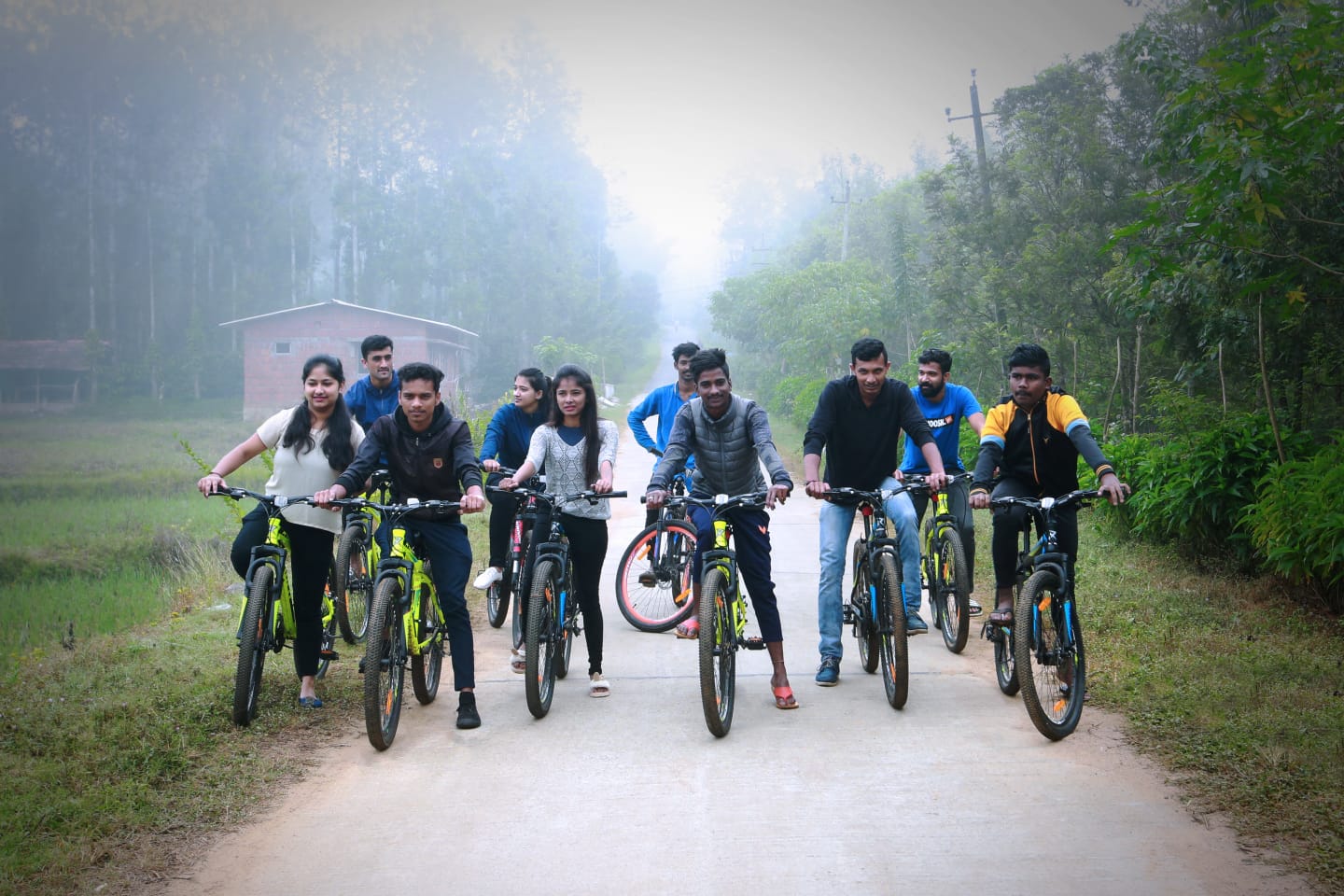
Early Morning Mumbai Bicycle Tour
₹ 2,489
4.7
Wada Camping near Mumbai
₹ 1,550
4.6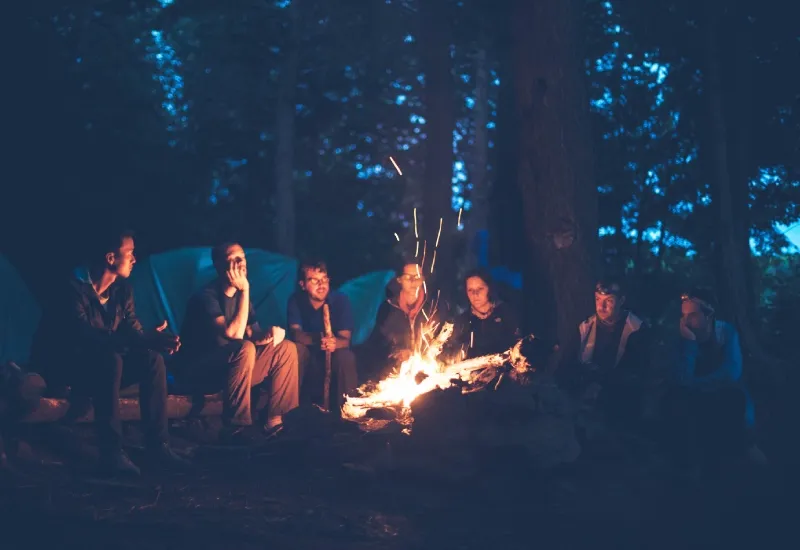
Glamping near Mumbai
₹ 8,999
4.7
Juice Adventure Park Tickets
₹ 1,599
4.7