Manali
Explore Manali

Manali Tourism & Travel Guide
Location: Himachal Pradesh, Northern India
Famous For: Snowfall, Adventure Sports, Hadimba Temple, Solang Valley and Local handicrafts
Nickname/Special Tag: Valley of Gods
Best Time to Visit: March to June (Summer) and December to February (Winter Snow)
Ideal Duration: 3 to 5 Days
Climate: Subtropical Highland
Local Language: Hindi, Pahari, and Kulluvi
About Manali
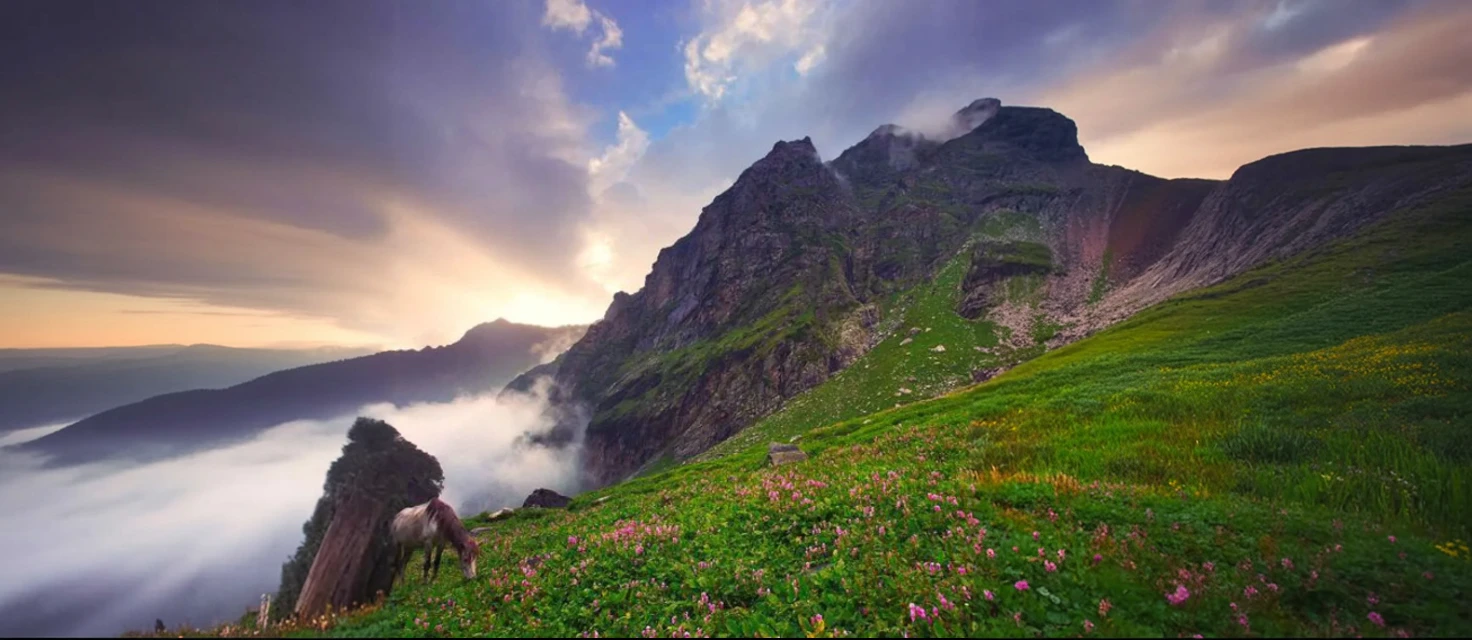
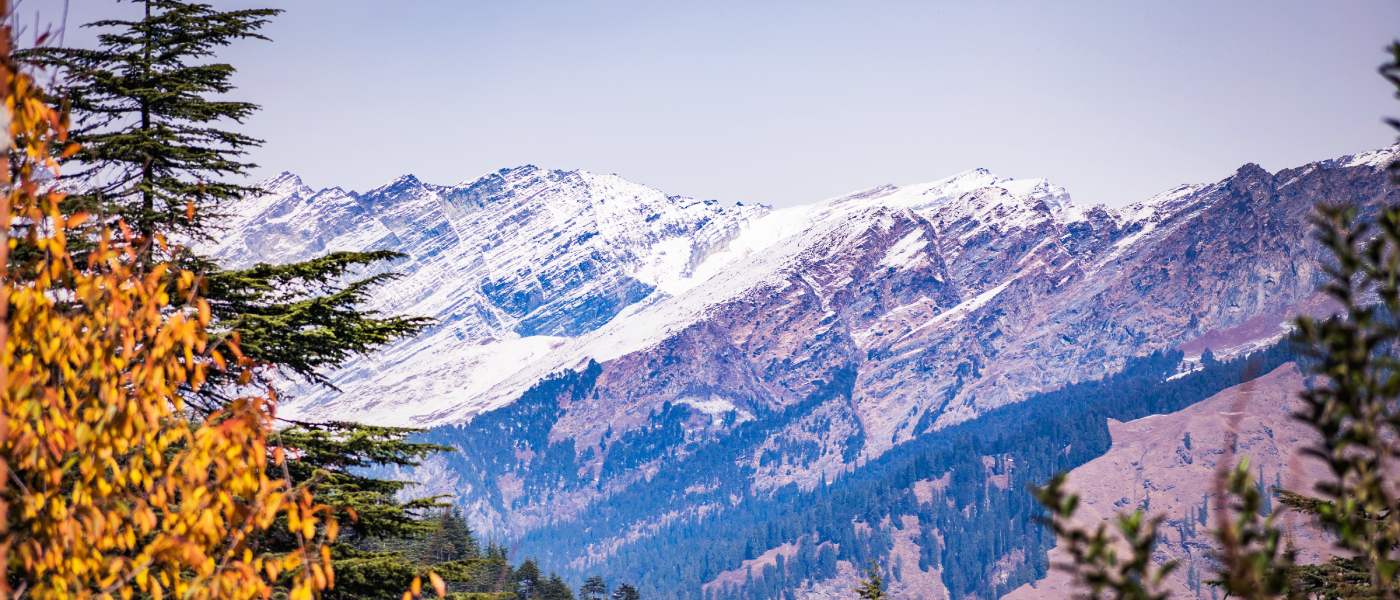
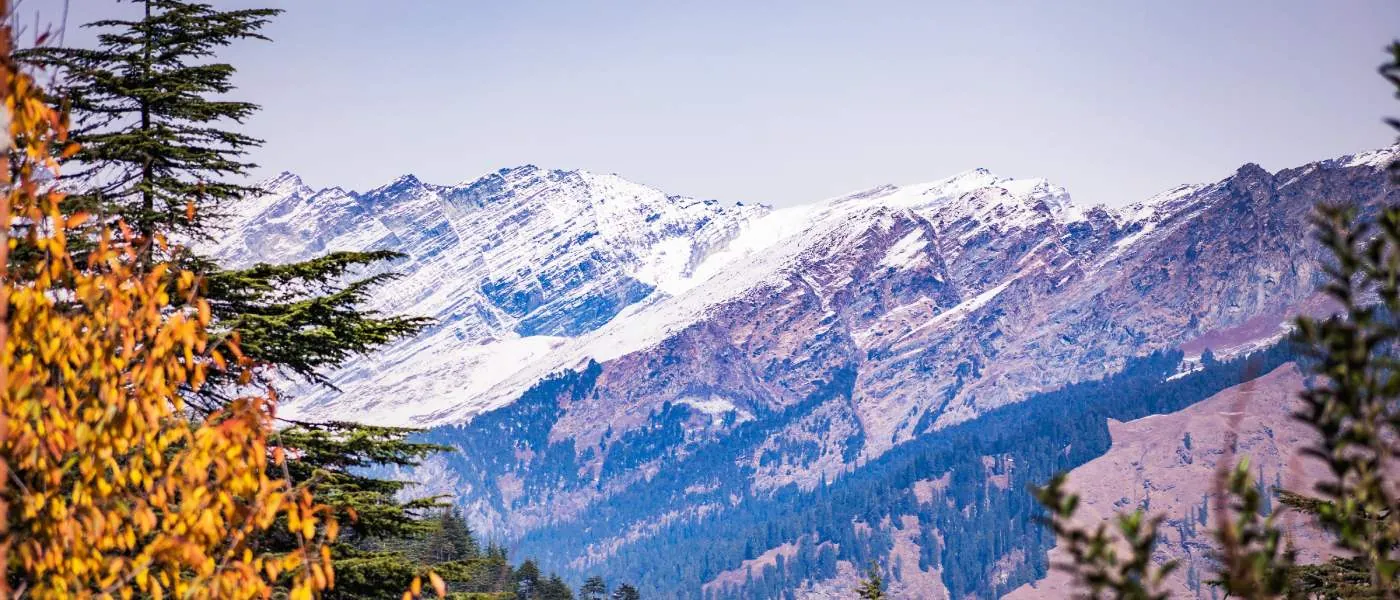
- Cradled amidst the Himalayas, Manali offers a perfect blend of scenic beauty, adventure, and cultural vibrancy. Derived from “Manu Alaya,” meaning “the abode of Manu,” the town beautifully blends mythology with nature.
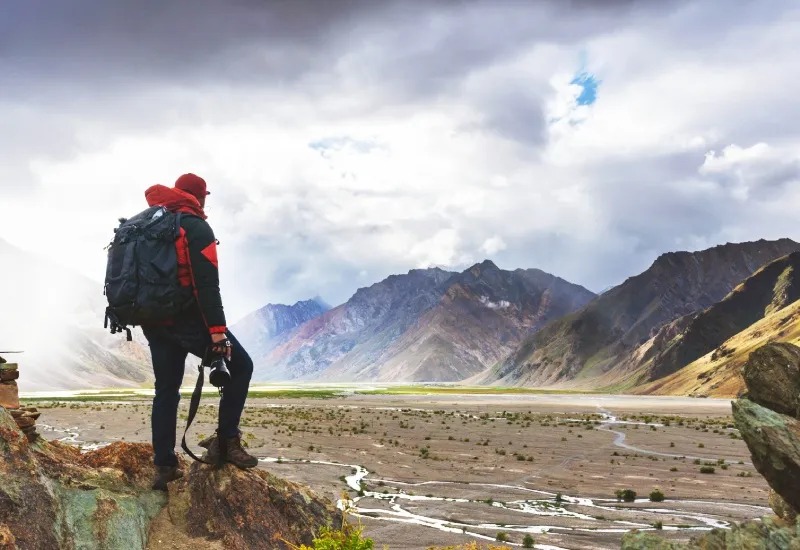
- But what makes the destination truly unforgettable? Among the many places to see in Manali are breathtaking valleys, lush Deodar and Pine forests, and exciting adventure spots where you can enjoy trekking, river rafting, and paragliding.
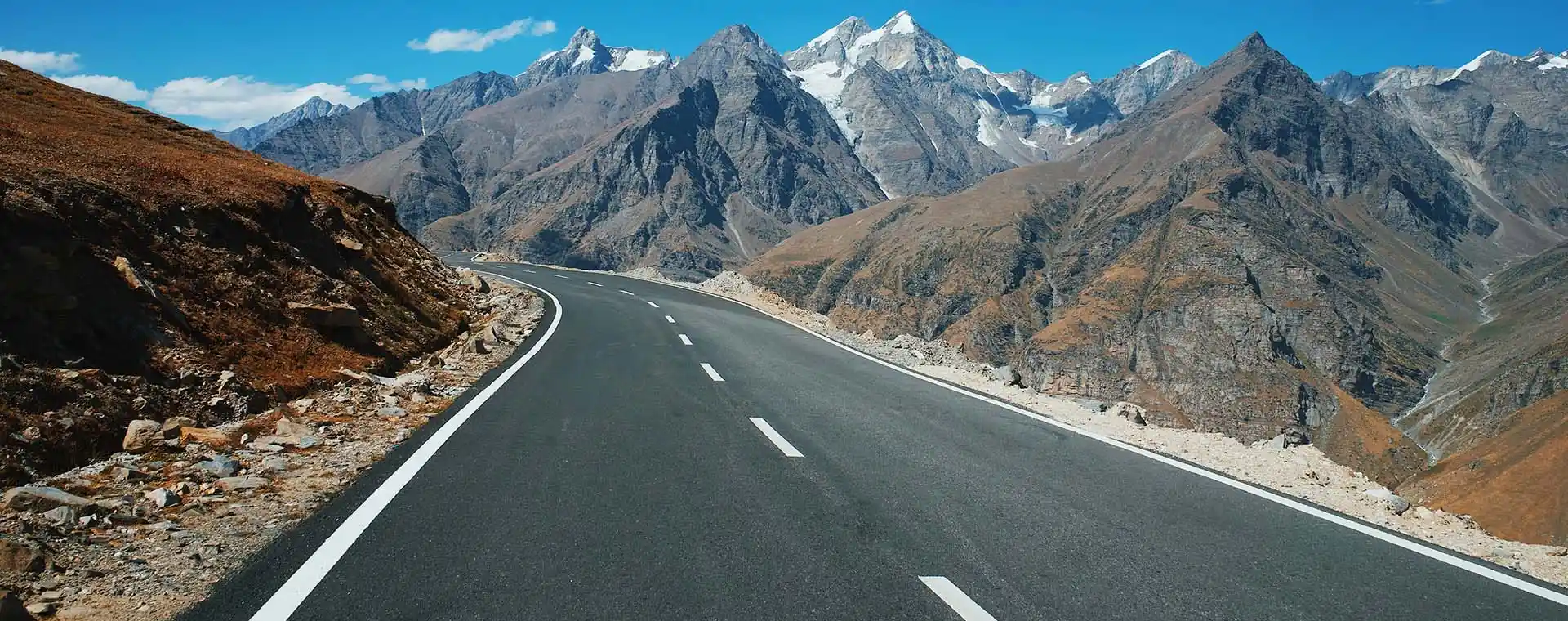
- Serving as the gateway to Lahaul and Spiti, and to Leh and Ladakh, it promises an unforgettable Himalayan escape filled with adventure and serenity.
- With its perfect mix of thrill and tranquillity, Manali captures the hearts of travellers forever.
History of Manali
- Manali is believed to be the home of sage Manu, who recreated human life after a great flood. Later, the British developed it as a peaceful hill retreat, shaping Manali into one of Himachal Pradesh’s most loved tourist destinations.
What Each Season Offers
Summer (March to June)
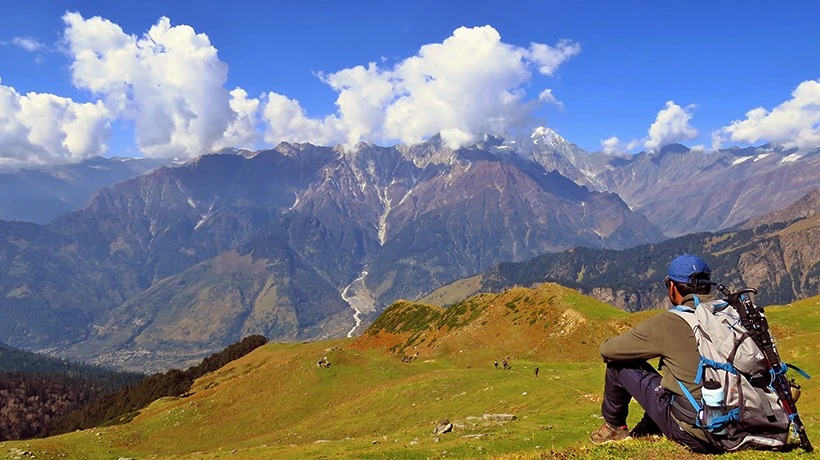
- Special Highlights: Perfect for sightseeing, trekking, and river rafting
- Crowd and Atmosphere: Peak season for families and honeymooners; lively and bustling
- Travel Essentials: Lightweight shirts, sweaters, and light jackets for changing temperatures
- Budget Requirements: Higher costs for hotels and transport due to peak demand
Monsoon (July to September)
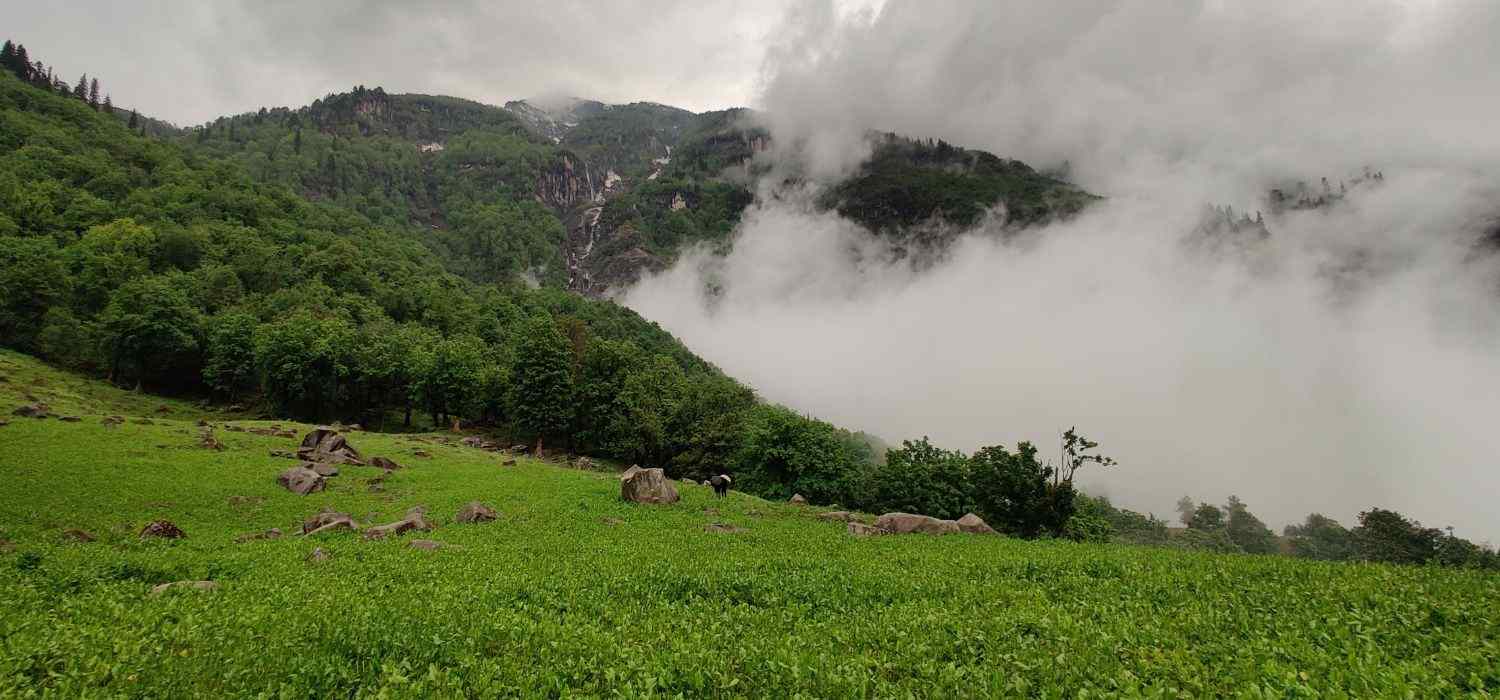
- Special Highlights: Lush greenery, gushing waterfalls, and misty mountain views
- Crowd and Atmosphere: Characterised by fewer crowds and peaceful surroundings
- Travel Essentials: Sturdy umbrellas, raincoats, waterproof shoes, and quick-dry clothes
- Budget Requirements: Budget-friendly stays and significant off-season travel deals
Winter (October to February)
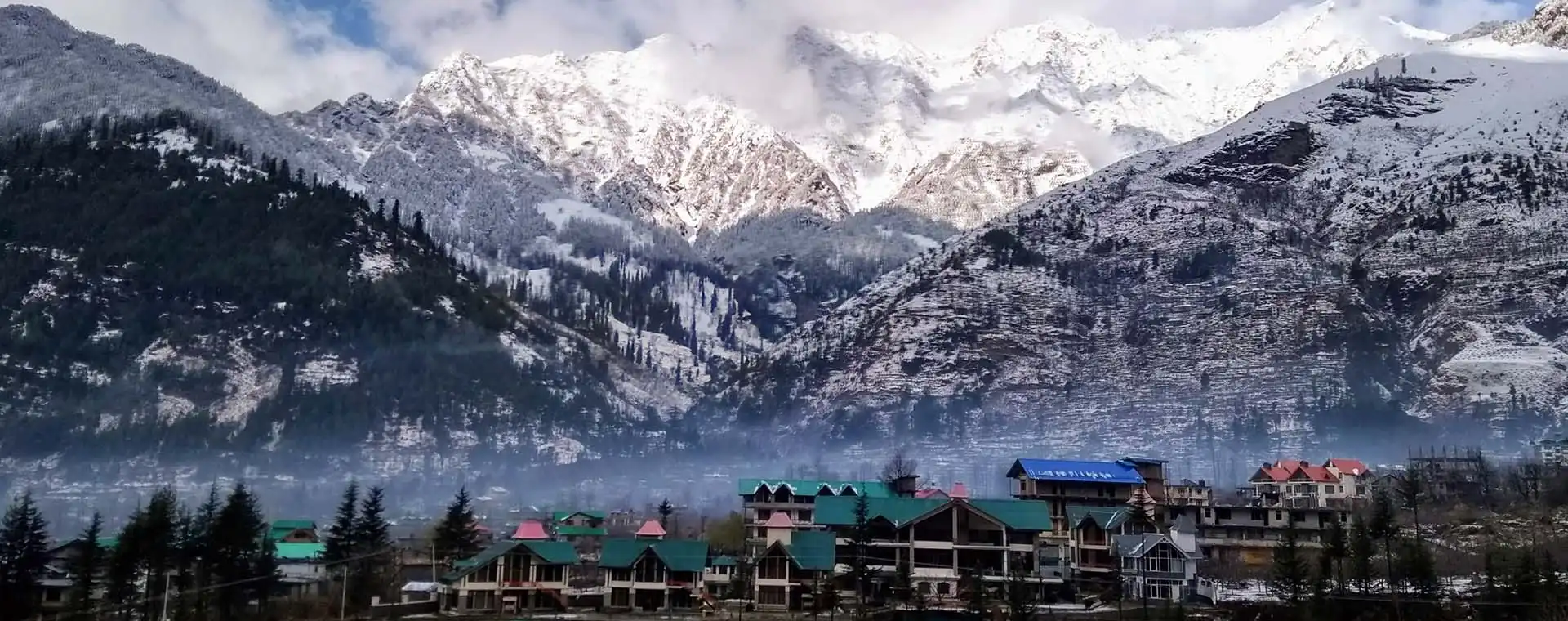
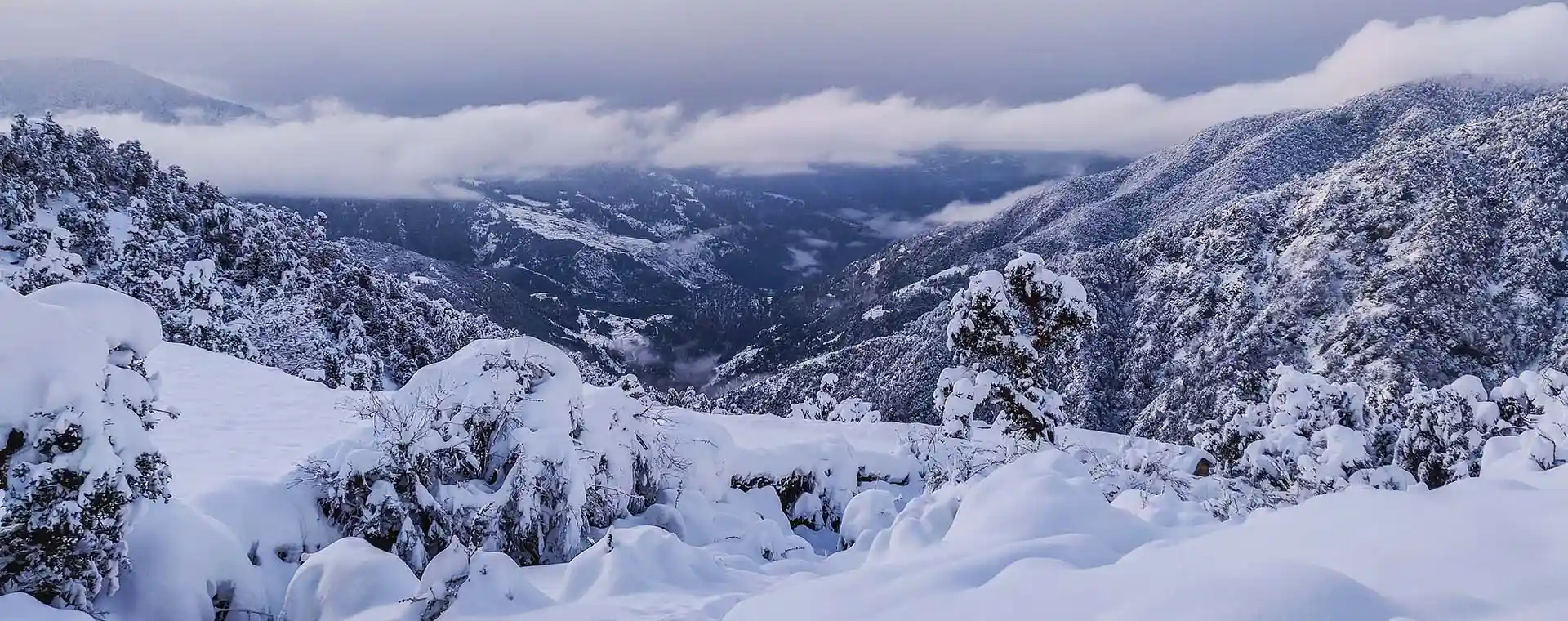
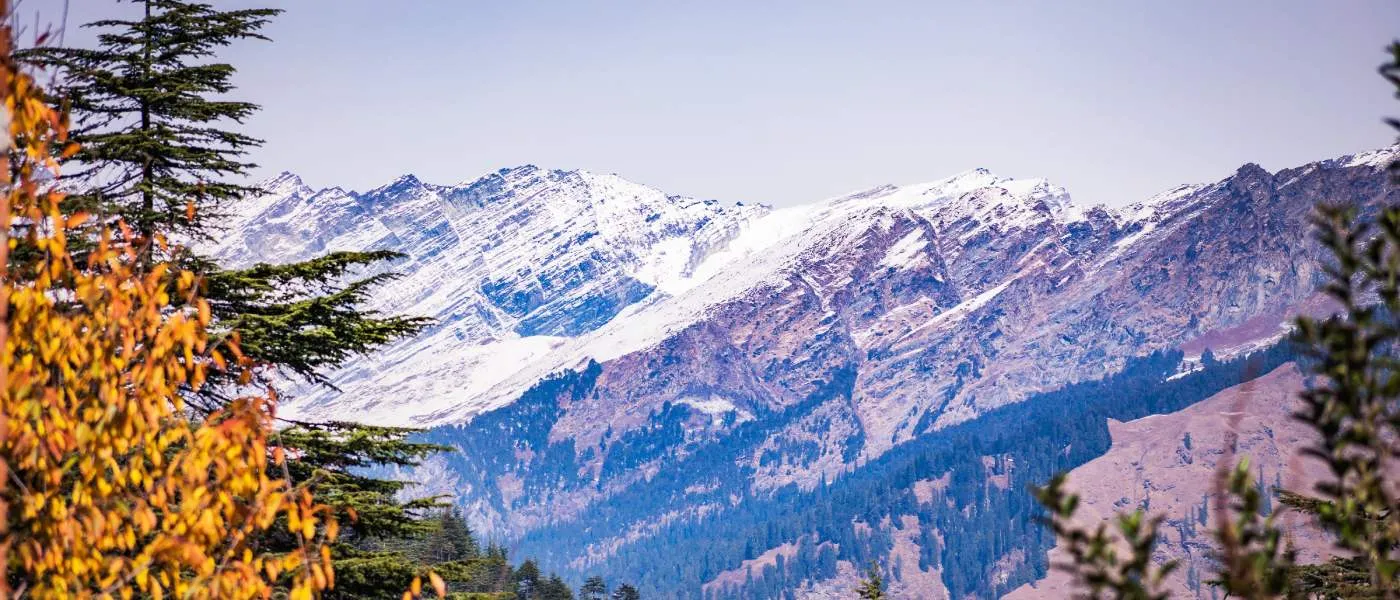
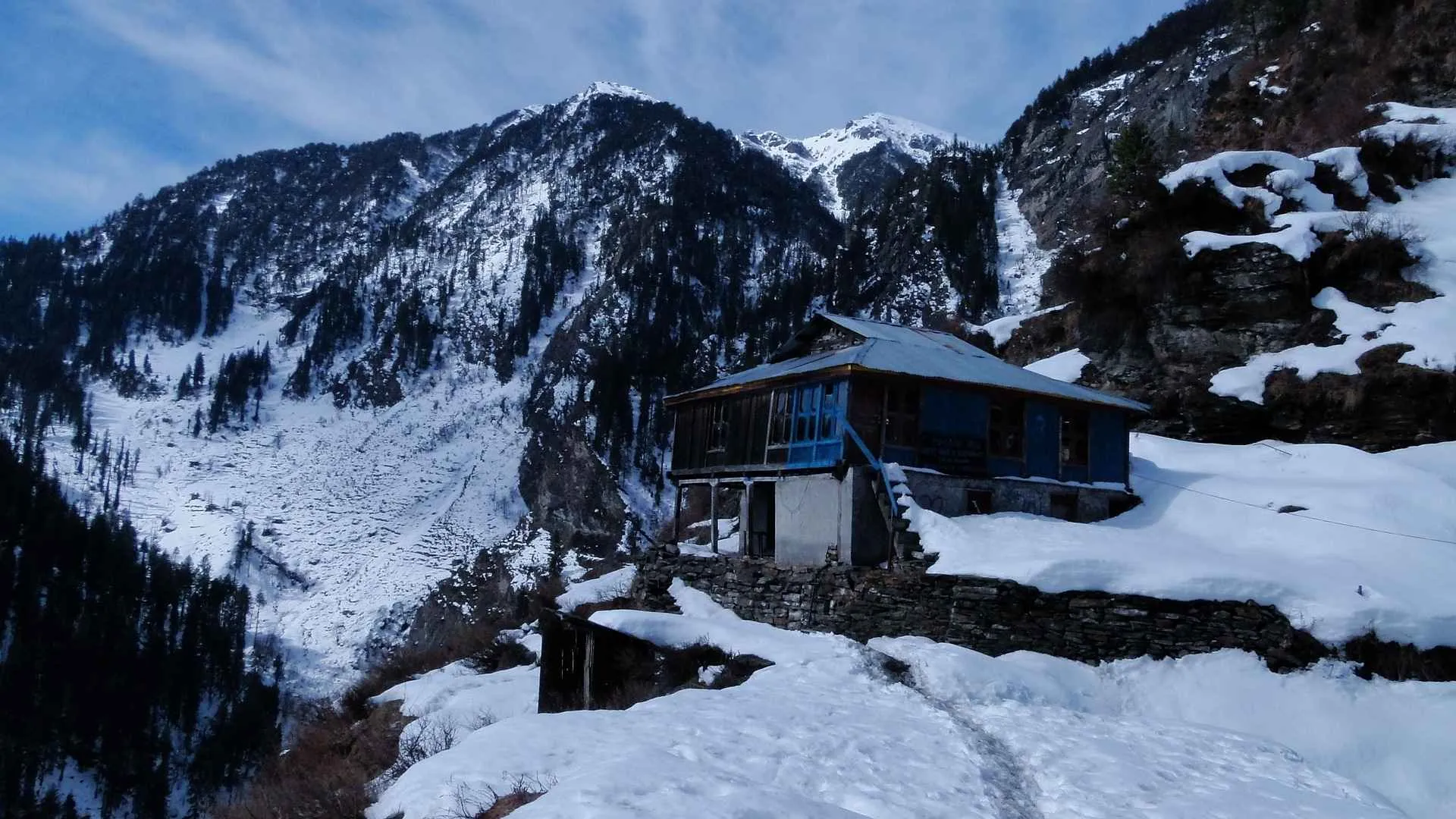
- Special Highlights: Snowfall, skiing, and the magical transformation into a winter wonderland
- Crowd and Atmosphere: High tourist inflow during December; cosy mountain ambience
- Travel Essentials: Heavy coats, thermals, woollens, gloves, scarves, and beanies
- Budget Requirements: Premium pricing during Christmas and New Year peaks
How to Reach
- By Air: The nearest airport is Kullu Manali Airport (KUU) at Bhuntar, about 50 km from Manali. Flights operate from Delhi and Chandigarh, though they can be highly weather-dependent.
- By Train: The closest broad-gauge stations are Chandigarh (250 km) and Ambala Cantt (200 km). From there, one must take a bus or taxi.
- By Road: Buses are a good option; HRTC and private Volvo buses connect Manali to Delhi (570 km) and Chandigarh frequently.
Festivals of Manali
Hadimba Devi Fair (Dhungri Mela)
- Held at Hadimba Temple in May, this famous Manali festival features Kullu folk dances, colourful deity processions, traditional music, and vibrant Himachali cultural celebrations.
Winter Carnival
- Manali Winter Carnival in January showcases folk performances, winter sports, local food stalls, parades, and the popular Winter Queen cultural celebration.
Kullu Dussehra
- Kullu Dussehra is a renowned Himachali festival featuring grand deity processions, spiritual rituals, traditional celebrations, and vibrant cultural gatherings across Kullu Valley.
Losar Festival
- The Losar Festival celebrates the Tibetan New Year with monastery prayers, masked Cham dances, butter lamps, colourful decorations, and rich Buddhist traditions in Manali.
Doongri Festival
- Doongri Festival honours Goddess Hadimba through traditional rituals, local gatherings, folk celebrations, and cultural events reflecting the spiritual heritage of Kullu Valley.
Top 5 Places to Visit in Manali
1. Rohtang Pass
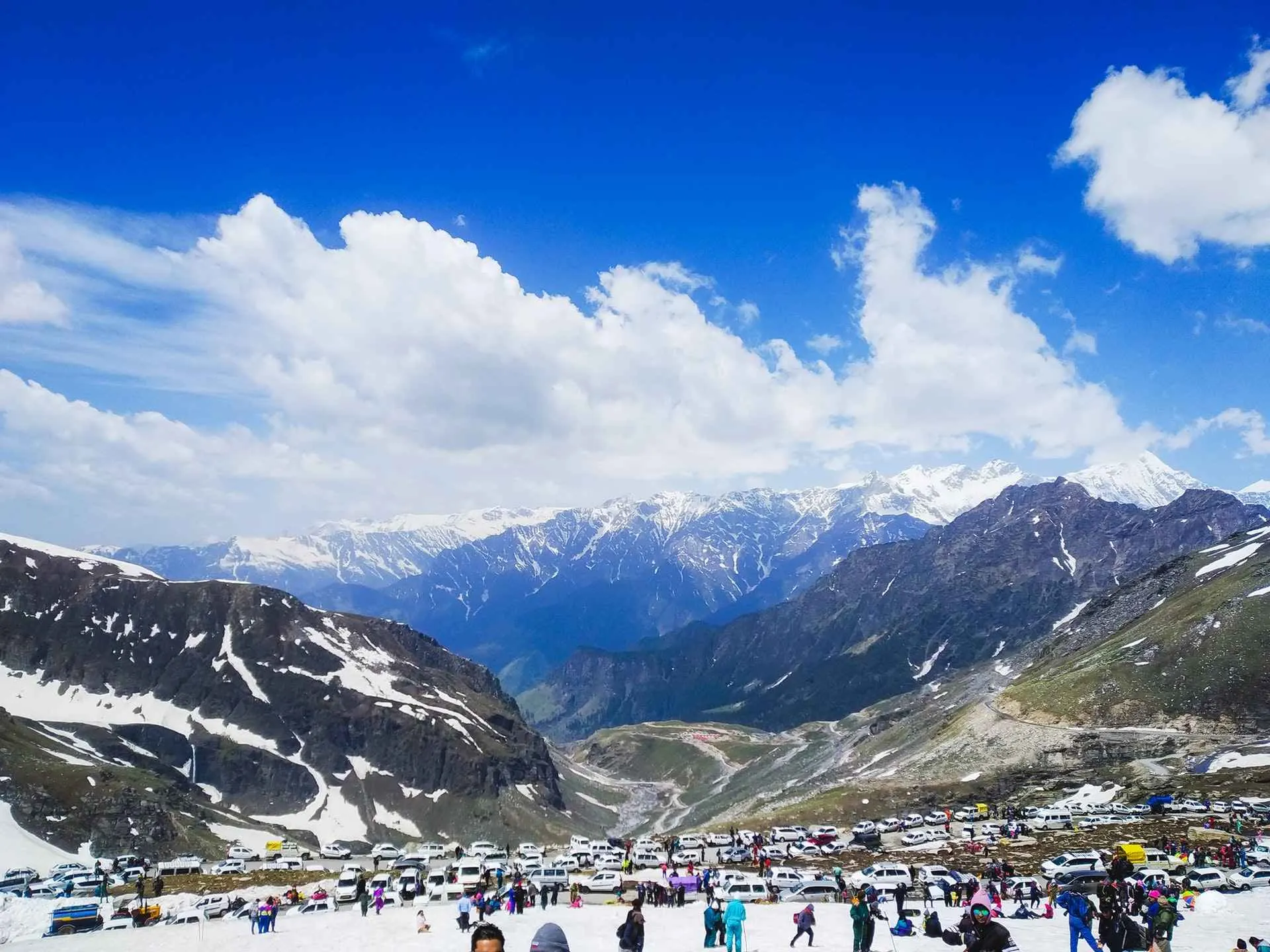
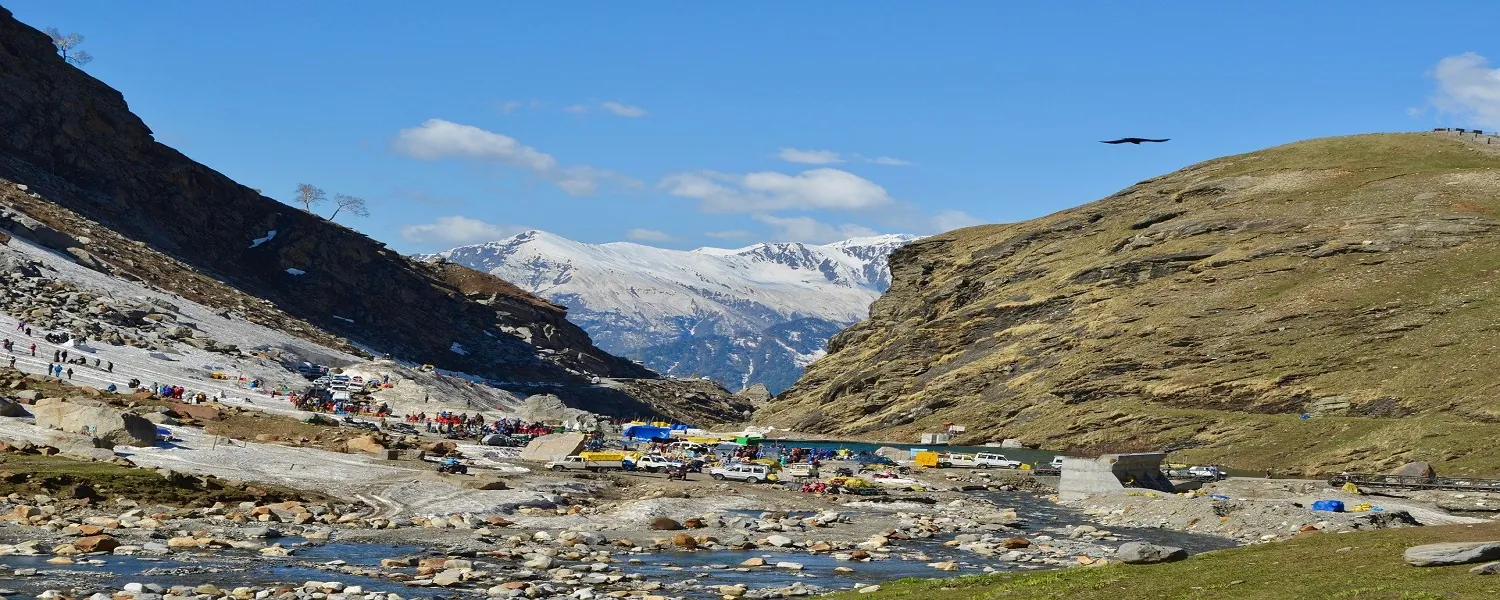
- Dreaming of snow even during summer? Rohtang Pass is famous for glacier views, snow activities, mountain photography, and breathtaking Himalayan landscapes near Manali, making it a must-visit attraction for adventure lovers.
2. Solang Valley
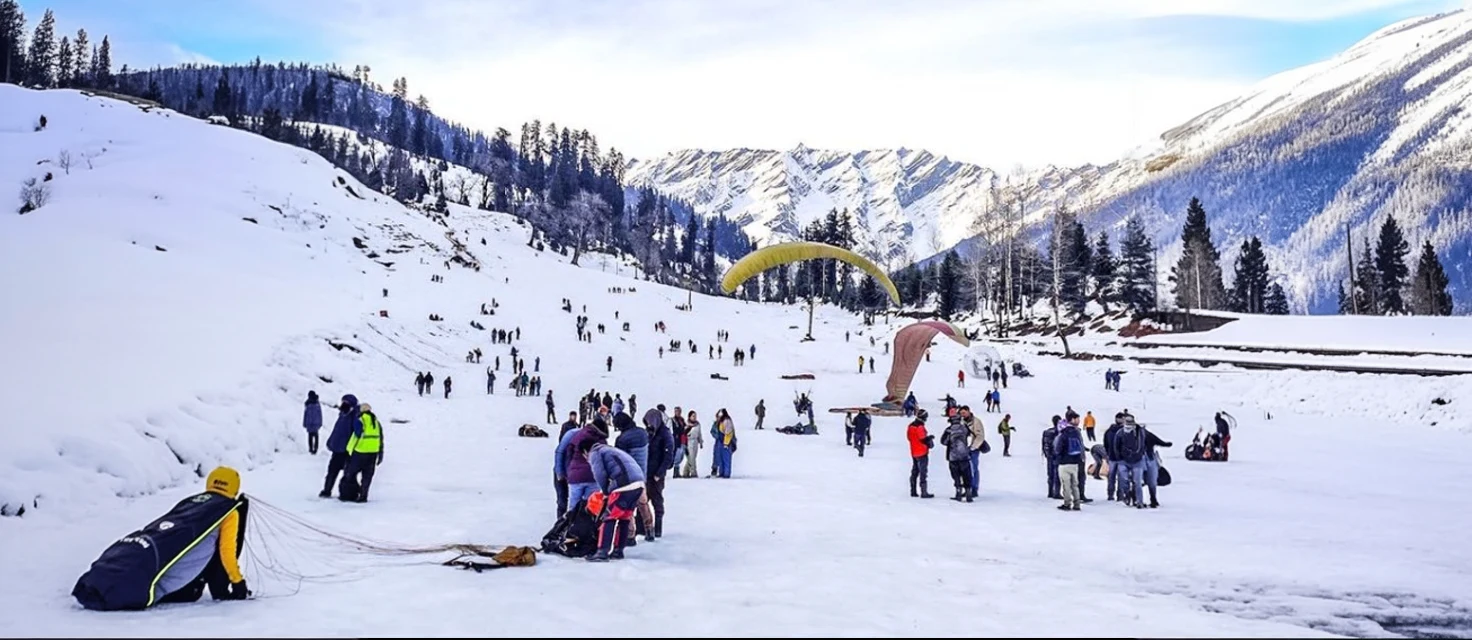
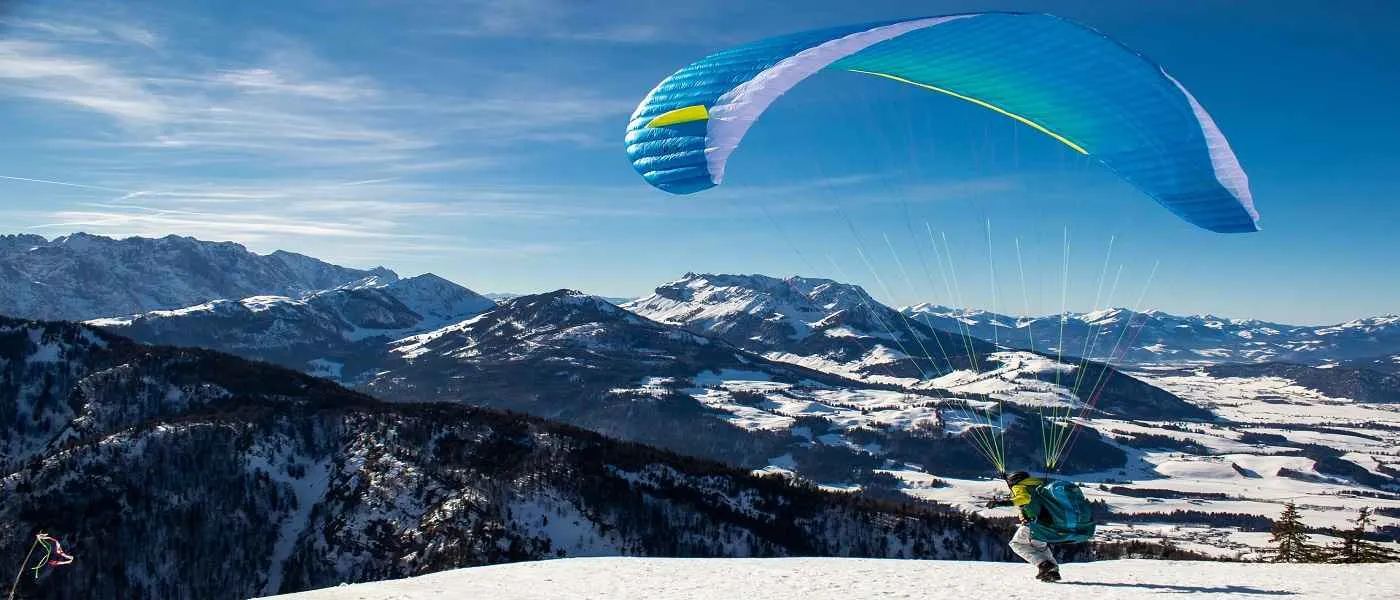
- Snow-covered slopes in winter and lush green meadows in summer make Solang Valley a top adventure destination for skiing, ropeway rides, ATV biking, Himalayan photography and especially paragliding in Manali.
3. Hadimba Devi Temple
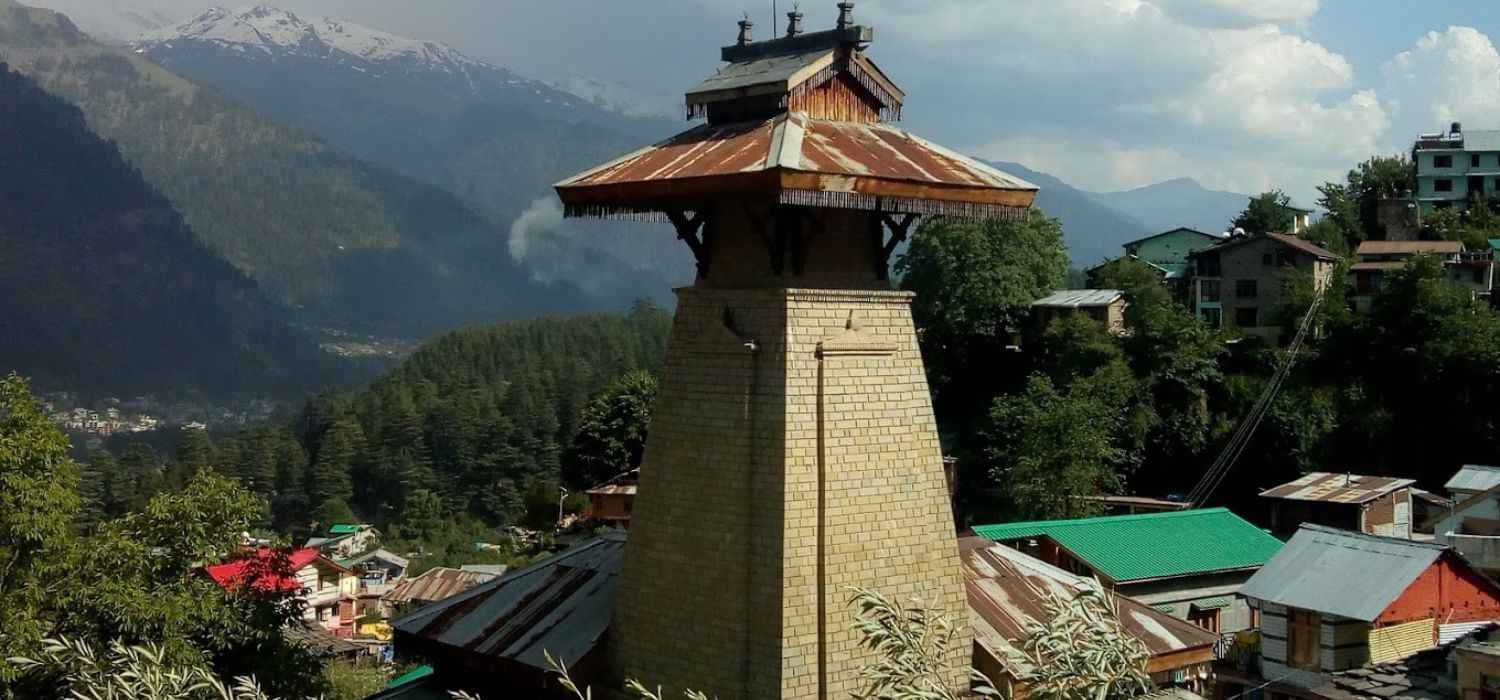
- Hadimba Devi Temple, surrounded by peaceful cedar forests, feels straight out of a fairytale with its unique wooden architecture, spiritual atmosphere, and centuries-old Himachali legends.
4. Old Manali
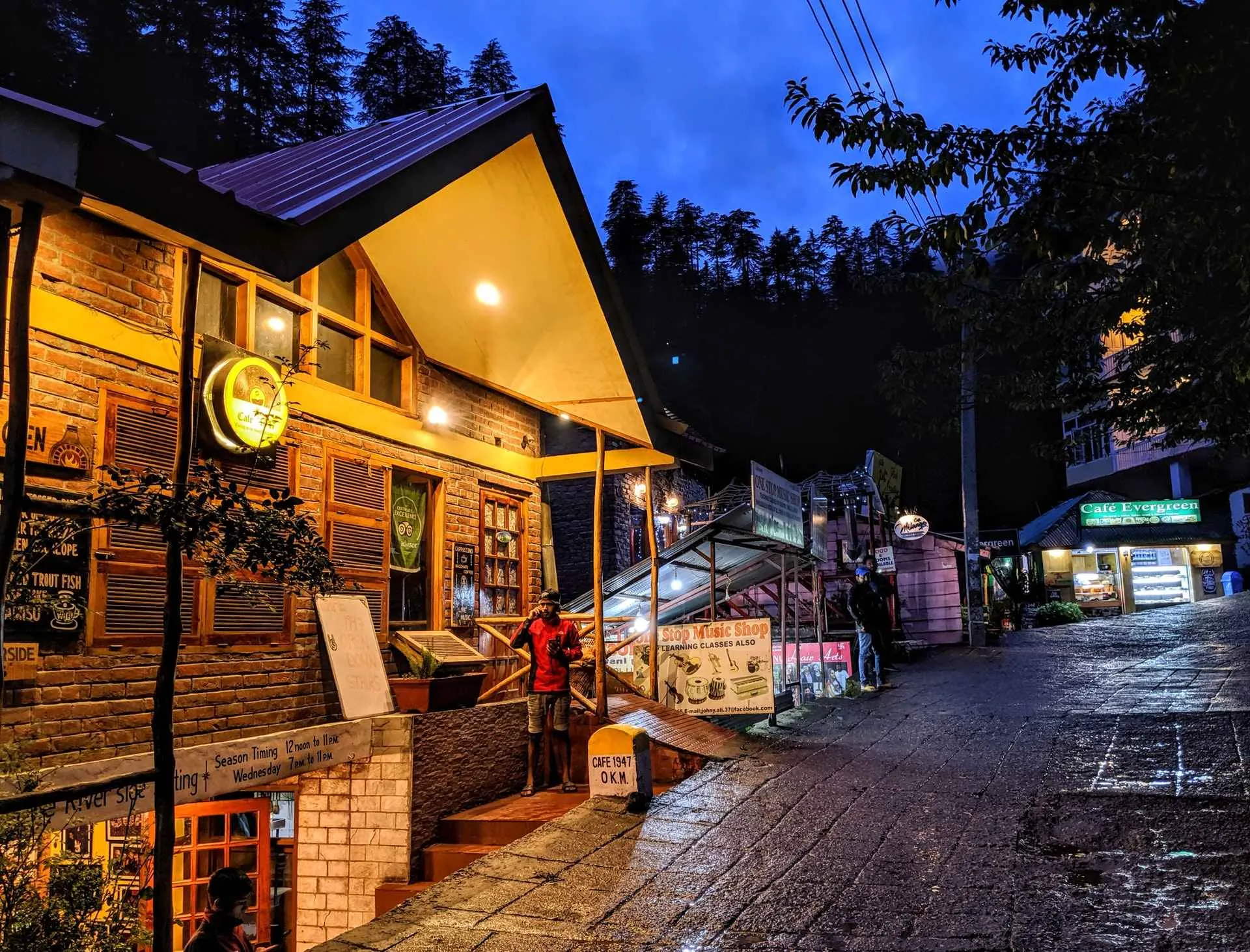
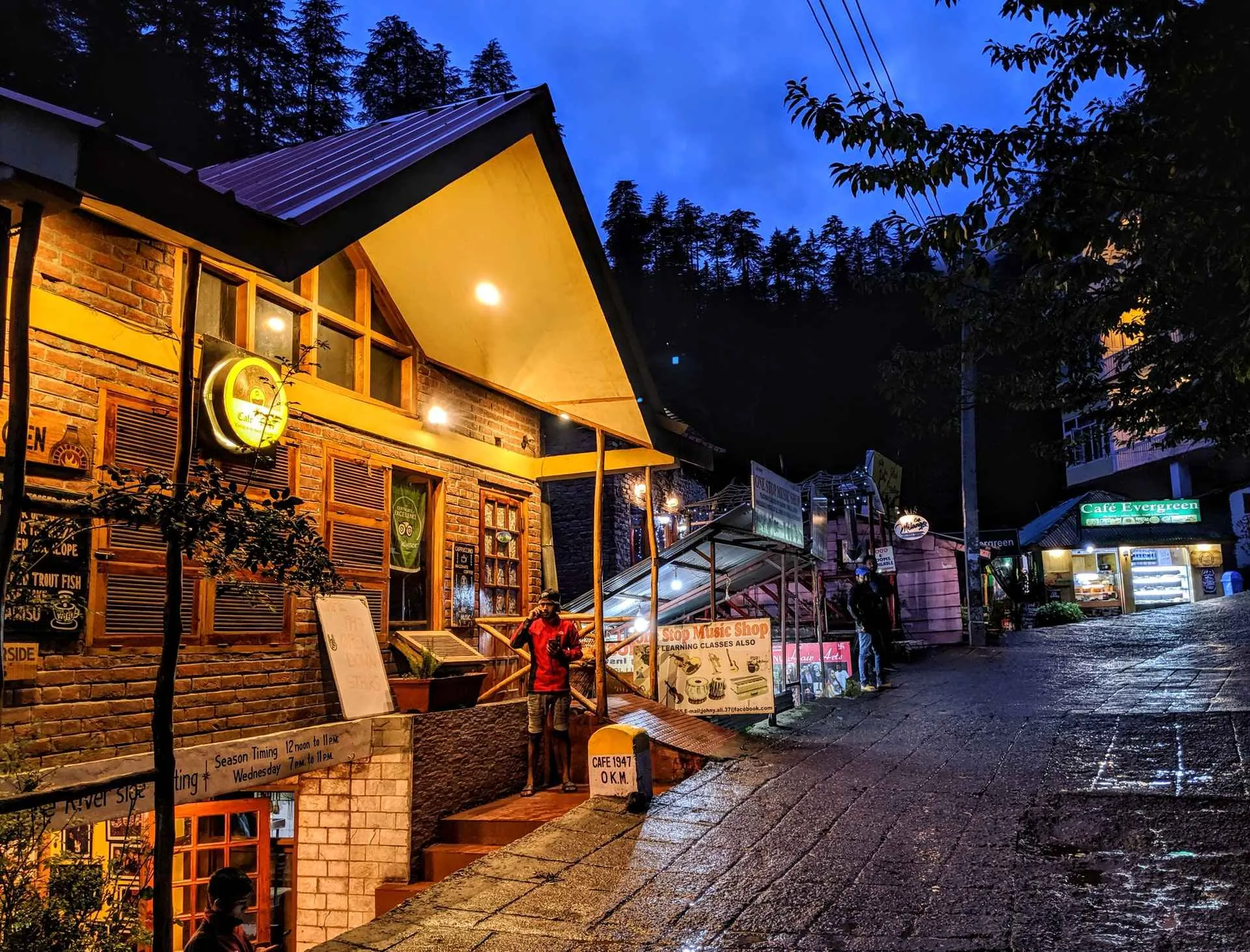
- Manali’s vibrant side, “Old Manali”, is filled with riverside cafes, live music, mountain views, local markets, and a laid-back backpacker vibe perfect for slow travel activities in Manali.
5. Vashisht Hot Springs
- Among the top Manali sightseeing places, Vashisht is known for its natural sulfur hot springs, ancient temples, relaxing baths, and beautiful Himalayan valley views.
Top 5 Things to Do in Manali
Experience a Riverside Stay
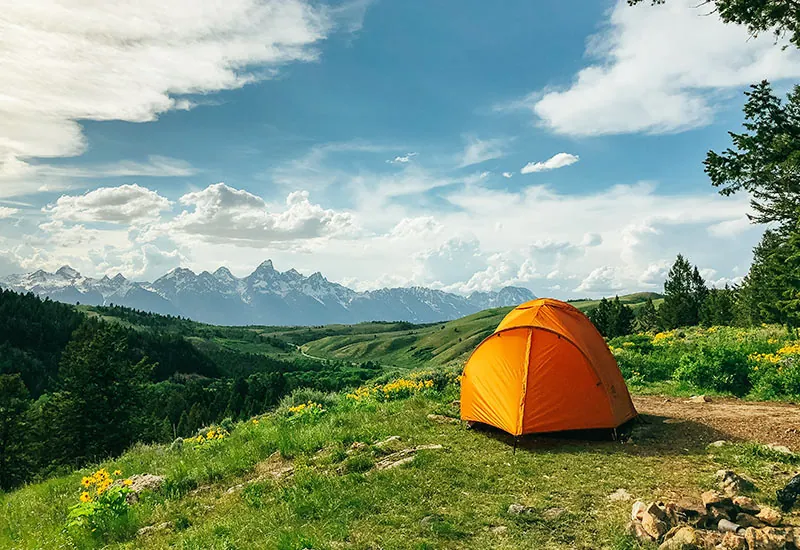
- Riverside camping near Beas River offers bonfires, mountain views, stargazing, and peaceful stays surrounded by Himachal’s scenic landscapes and fresh alpine air.
Explore the Mall Road
- Mall Road is Manali’s shopping hub, famous for Kullu shawls, Tibetan handicrafts, cafes, local street food, and lively evening markets.
Trek to Jogini Waterfalls
- Jogini Waterfalls ranks among the top 10 places to visit in Manali with family, offering a short, scenic trek through apple orchards and forests to a spectacular Himalayan waterfall.
Savour Authentic Local Cuisine
- Taste Himachali dishes like Siddu and Kullu Trout at cozy Old Manali cafes offering mountain views, fireplaces, and authentic regional flavours.
Visit the Buddhist Monasteries
- Manali’s Tibetan monasteries feature colourful murals, prayer wheels, peaceful halls, and traditional Himalayan architecture reflecting rich Buddhist culture and spirituality.
Top 5 Adventures to Do in Manali
Paragliding in Solang Valley
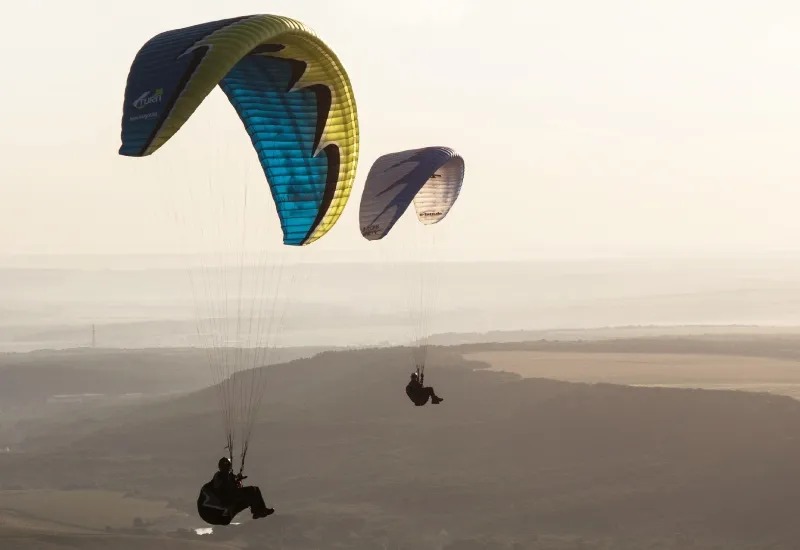
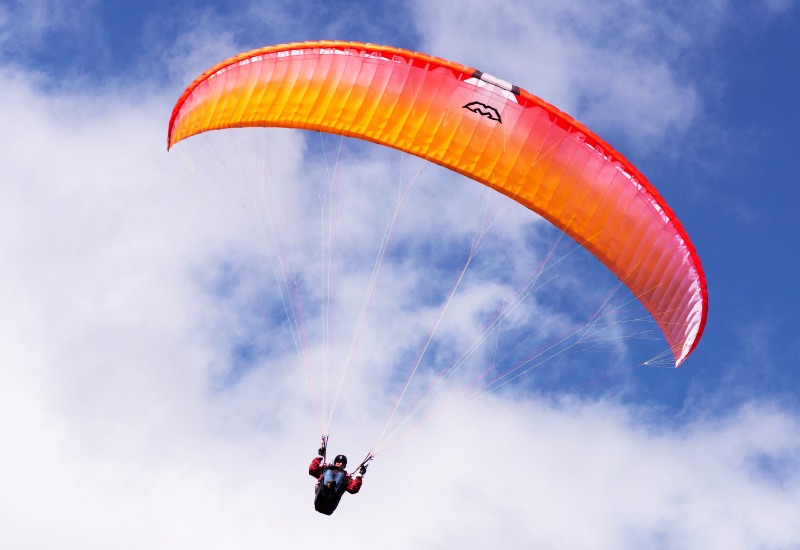
- Paragliding in Manali at Solang Valley offers breathtaking aerial views of Himalayan peaks, Beas River, snow valleys, and thrilling high-altitude flying experiences.
River Rafting in the Beas
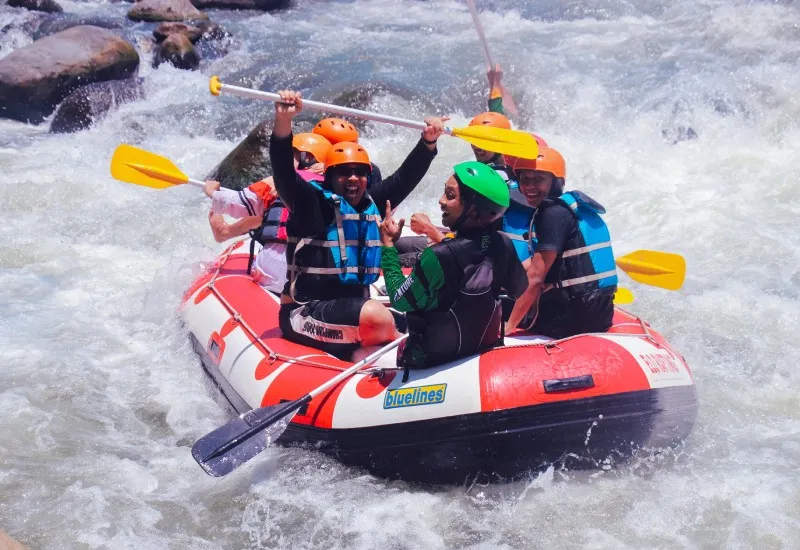
- Beas River rafting near Pirdi features exciting Grade II and III rapids, scenic mountain surroundings, and thrilling water adventure experiences.
Skiing and Snowboarding
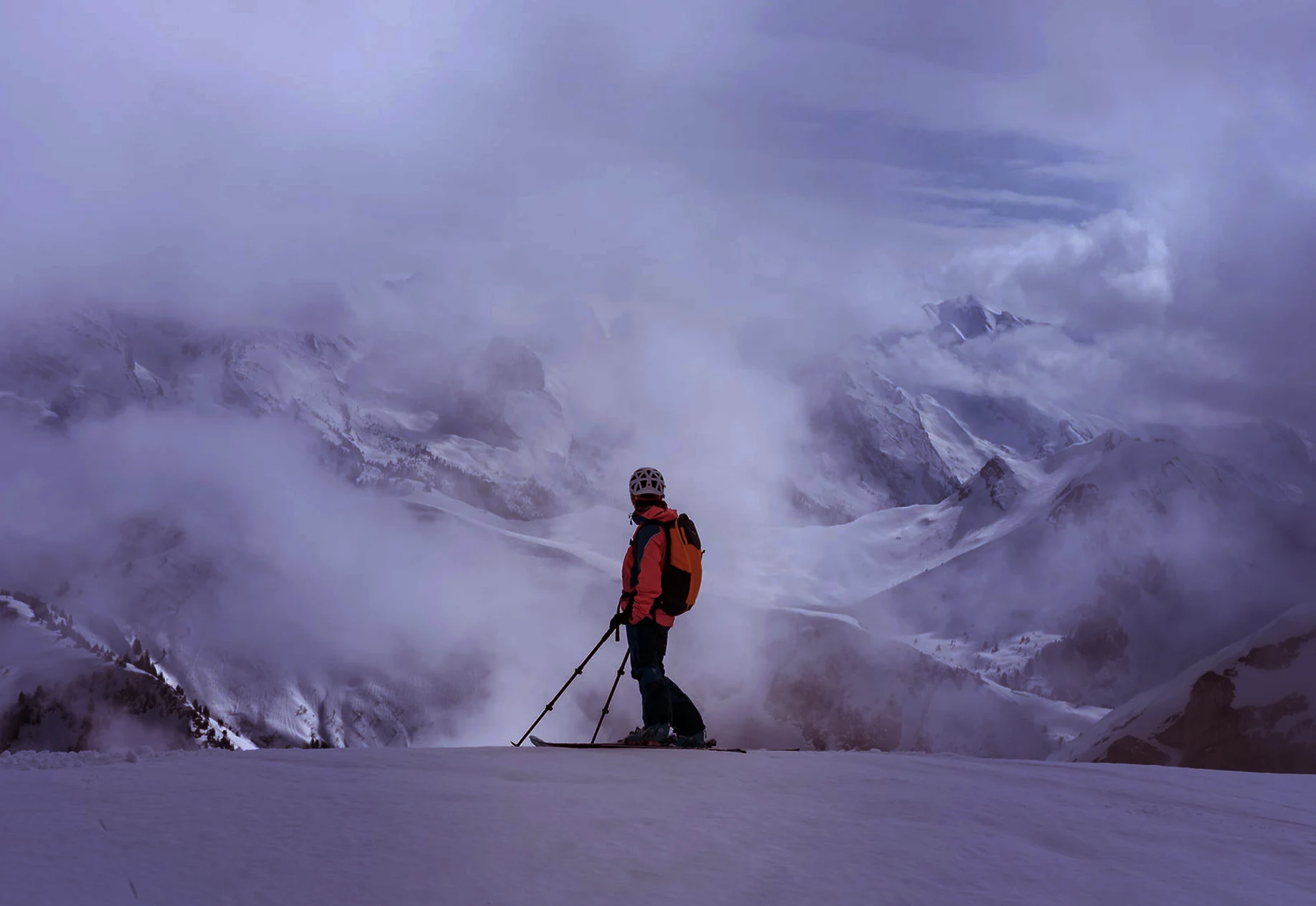
- Solang Valley and Rohtang Pass offer skiing and snowboarding on snowy Himalayan slopes, attracting winter sports enthusiasts and adventure travellers.
Mountain Biking
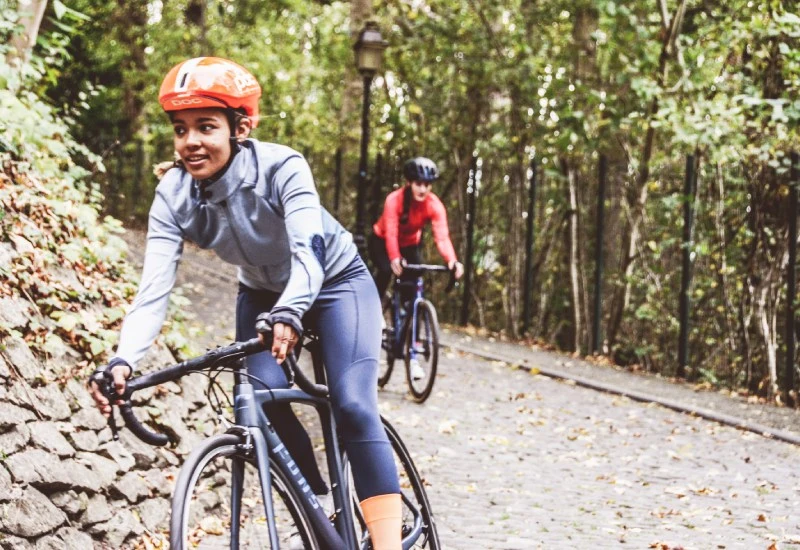
- Mountain biking through Naggar trails and Rohtang routes offers thrilling descents, rugged landscapes, forest paths, and panoramic Himalayan valley views.
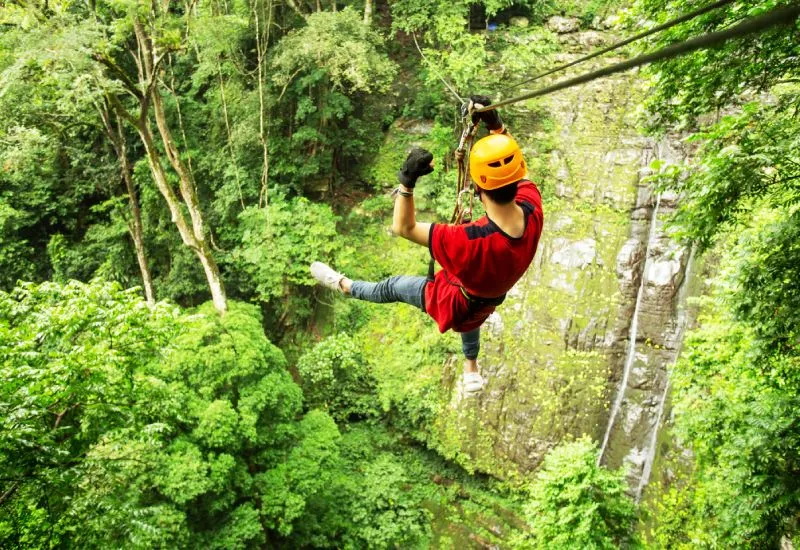
Ziplining through the Forests
- Ziplining in Manali lets visitors glide above cedar forests, deep valleys, and mountain landscapes while enjoying thrilling high speed adventure rides.
FAQs
1.Why is Manali called the Valley of the Gods?
- The name is deeply rooted in Hindu mythology and the legend of Sage Manu. It is believed that after a great flood deluged the world, Sage Manu stepped off his ark in Manali to recreate human life. The town’s name is derived from "Manu Alaya," meaning the abode of Manu. This spiritual heritage, combined with the presence of numerous village deities who are celebrated with grand rituals, gives the valley its divine and sacred reputation.
2.What is the Best Season to Visit Manali?
- If you are looking for the perfect trip, the best time depends on what you want to see. Most travellers prefer March to June for pleasant weather that is ideal for paragliding and sightseeing. However, if you want to experience the magic of snowfall and winter sports like skiing, then December to February is the best season for you. The landscape transforms into a white wonderland during these months, making Manali sightseeing places a favorite for honeymooners and snow enthusiasts.
3.How Many Days are Enough for Manali?
- A trip of 4 to 6 days is generally ideal for exploring the diverse beauty of the region. This duration allows travellers enough time to explore the best places to see in Manali, including Rohtang Pass, Solang Valley, Old Manali, and Jogini Waterfalls and most popular activities in Manali like trekking, river rafting and paragliding.
- You can spend your first few days on local sightseeing and adventure sports, leaving the remaining time to relax in the bohemian cafes of Old Manali or take a scenic trek to the Jogini Waterfalls.
4.What Food is Famous in Manali?
- The local cuisine is a flavorful mix of traditional Himachali recipes and international influences. Some of the must try foods and famous spots include:
- Siddu - A traditional steamed bread filled with walnuts and spices, often enjoyed at local stalls or specialized eateries like Pema's.
- Kullu Trout - Fresh river fish prepared with local herbs, a signature dish at Johnson’s Cafe.
- Thukpa and Gyakok - Authentic Tibetan noodle soups and hot pots that are favorites at Chopsticks on Mall Road.
- Wood fired Pizzas - A specialty in Old Manali and Vashisht, with places like Il Forno offering an authentic Italian taste.
- Apple Pie and Pastries - Being the land of orchards, the German bakeries here are legendary for their fresh fruit desserts.
5.What Are Some Popular Stay Options In Manali For Budget And Luxury Travellers?
- Manali offers a diverse range of accommodations, from riverside hostels to high-end mountain retreats.
Budget Stay Options (Approx Price Per Night)
- C6manali – ₹750 to ₹1,200
- Zostel Manali – ₹800 to ₹1,800
- Hotel Celebriti Inn – ₹1,300 to ₹1,700
- Mahadev Villa – ₹1,600 to ₹2,200
- The Foghills Boutique Hotel – ₹2,200 to ₹3,500
Luxury Stay Options (Approx Price Per Night)
- The Himalayan (Castle Style) – ₹15,000 to ₹25,000
- Span Resort & Spa – ₹18,000 to ₹30,000
- Shivadya - A Luxury Boutique Experience – ₹12,000 to ₹22,000
- The Orchard Greens Resort – ₹8,000 to ₹15,000
- Manuallaya The Resort Spa – ₹10,000 to ₹18,000
6.Is Manali Safe for Solo Travellers?
- To put it simply, yes! Manali has a well organized tourism infrastructure that makes it very comfortable for solo explorers. Locals are respectful and helpful, and the town is filled with social hostels where it is easy to meet fellow travelers. For added safety, it is recommended to use local taxi services and avoid trekking alone on remote trails late in the evening. Mobile apps like Himachal Police’s ‘Shakti’ are also available for emergency assistance. It helps travellers enjoy safer journeys with emergency assistance, live location sharing, and quick access to nearby police support. The app enhances women’s safety and promotes secure travel across Himachal Pradesh’s tourist destinations.
7.What Makes Manali Unique for Tourism?
- The real reason is the "triple personality" of the town. You have the bustling Mall Road for shopping, the bohemian soul of Old Manali with its vibrant cafe culture, and the ancient spiritual vibe of Vashisht. Unlike many other hill stations, Manali offers a perfect mix of high-altitude adventure, deep-rooted Himalayan culture, and a modern lifestyle, all set against the backdrop of the towering Dhauladhar and Pir Panjal ranges.
8. Is Public Transport Easily Available in Manali?
- Yes, Manali is well connected by a network of local buses and taxis. While the local HRTC buses are affordable and cover major routes, private taxis are the most convenient way to reach spots like Solang Valley or Rohtang Pass. For a more local experience, you can also use auto rickshaws for short distances within the town, and many travellers prefer renting scooters or motorbikes to explore the hidden trails of the valley at their own pace.
Popular Adventures
Manali To Leh Bike Tour
₹ 60,000
 4.7
4.7
Leh to Manali Bike Trip 2021
₹ 39,670
4.6
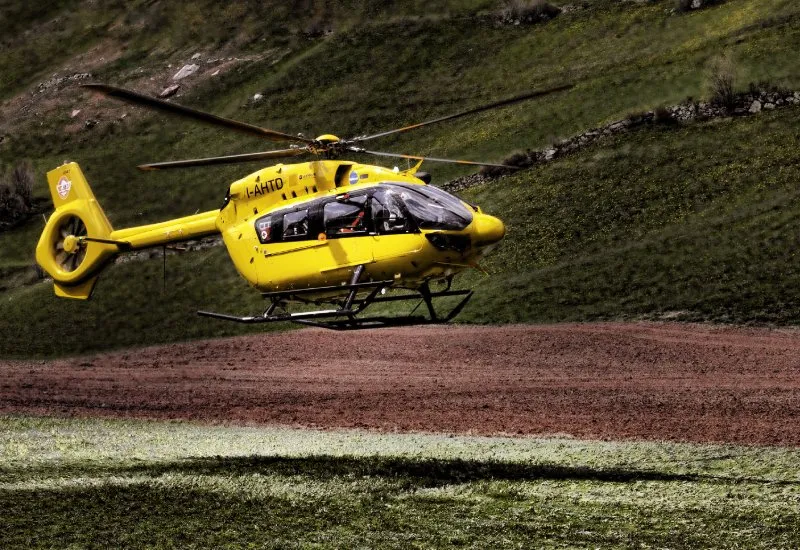
Helicopter Ride In Manali
₹ 5,749
4.9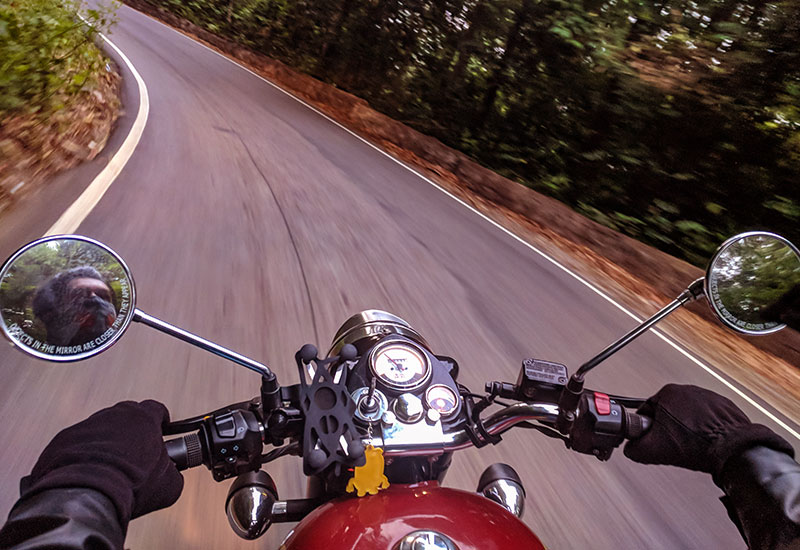
Manali Leh Srinagar Bike Trip with Umling La
₹ 28,999
4.7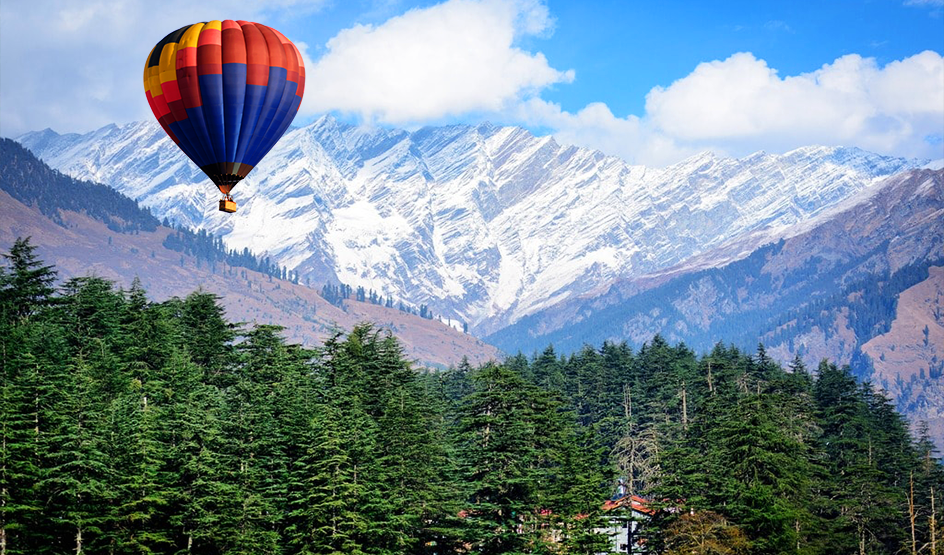
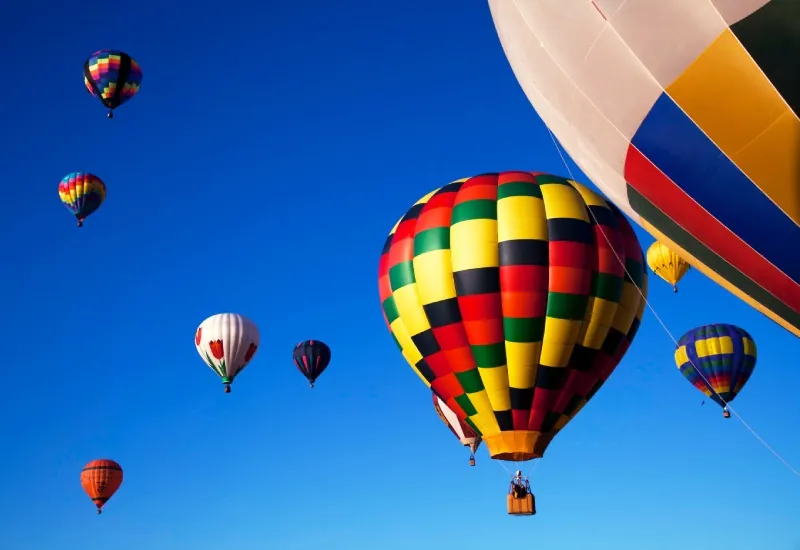
Hot Air Balloon Ride in Manali
₹ 2,499
4.9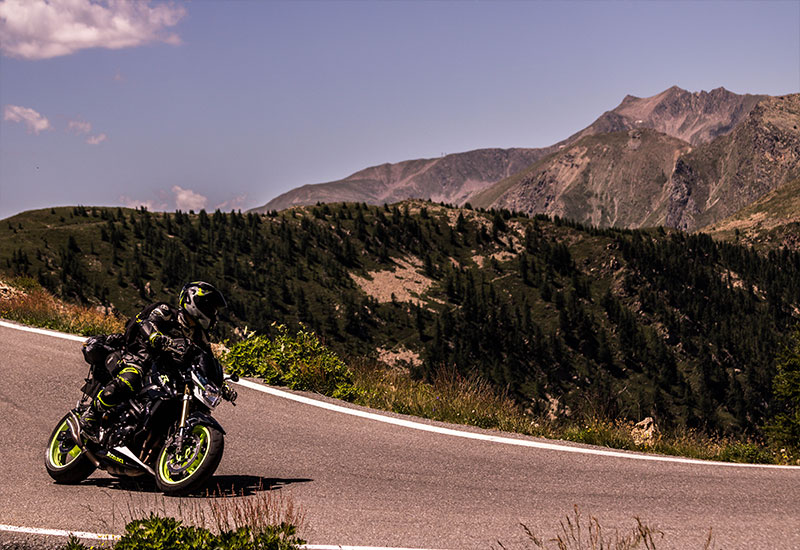
Bike Trip for 11 Days Manali To Leh
₹ 30,300
4.5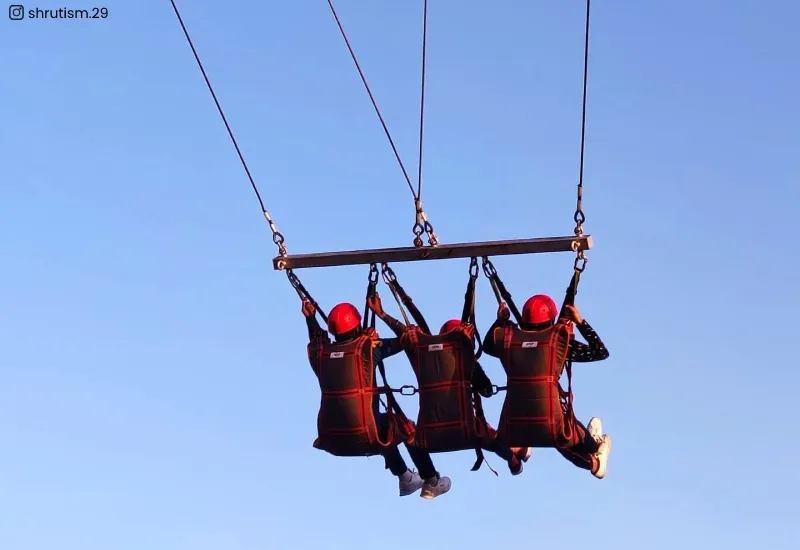
Giant Swing in Solang Valley, Manali
₹ 599
4.5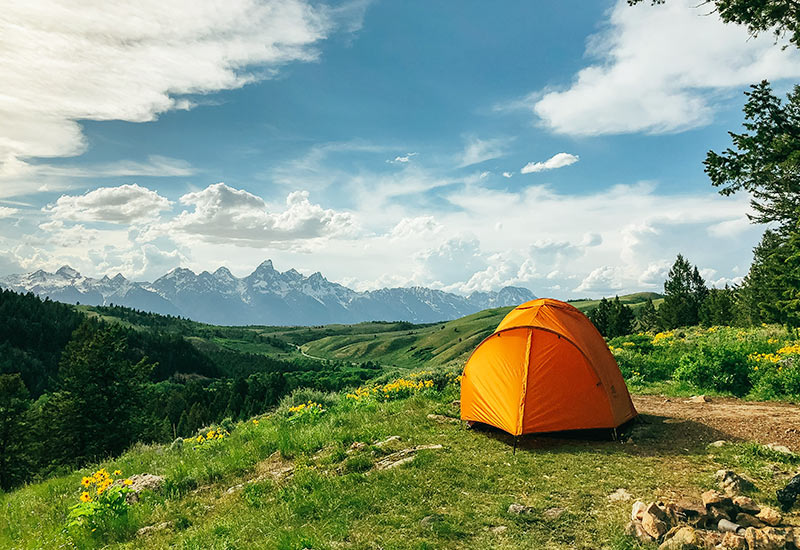
Photography Hike And Snow Camping In Manali
₹ 8,699
4.6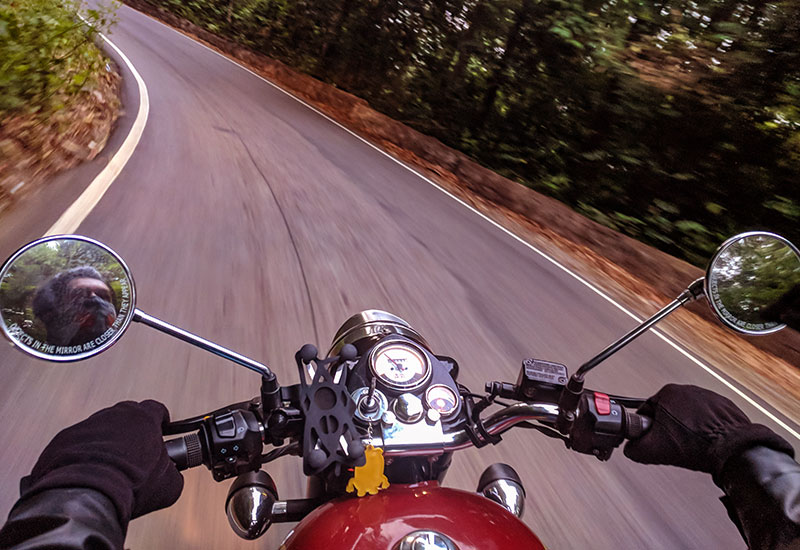
Manali to Srinagar via Leh Bike Trip From Manali
₹ 30,000
4.6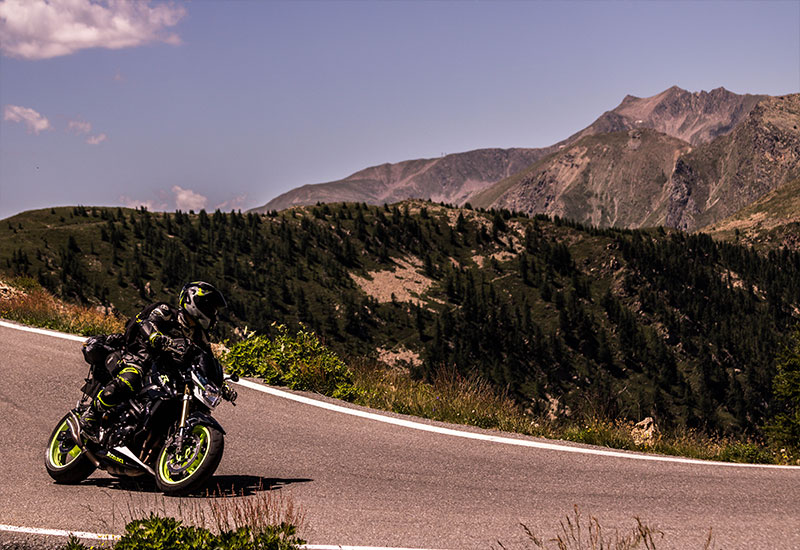
Bike Tour From Manali To Leh
₹ 34,000
4.6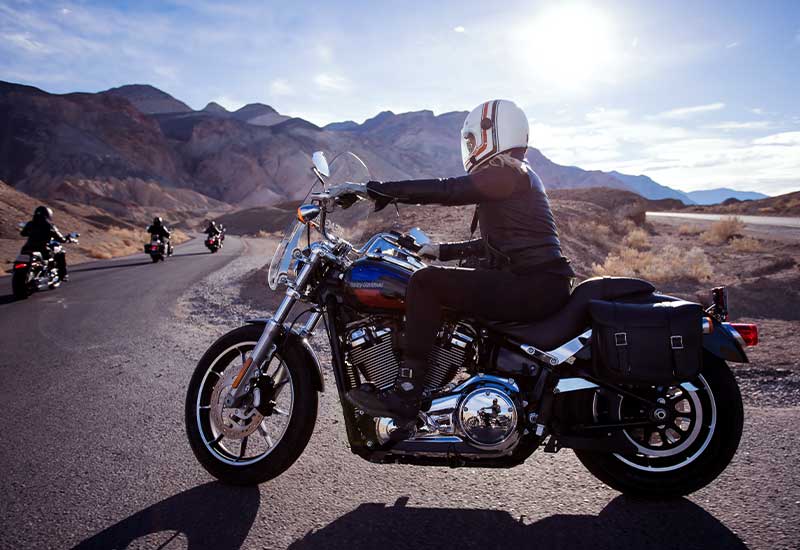
Manali To Spiti Valley Bike Trip
₹ 26,150
4.9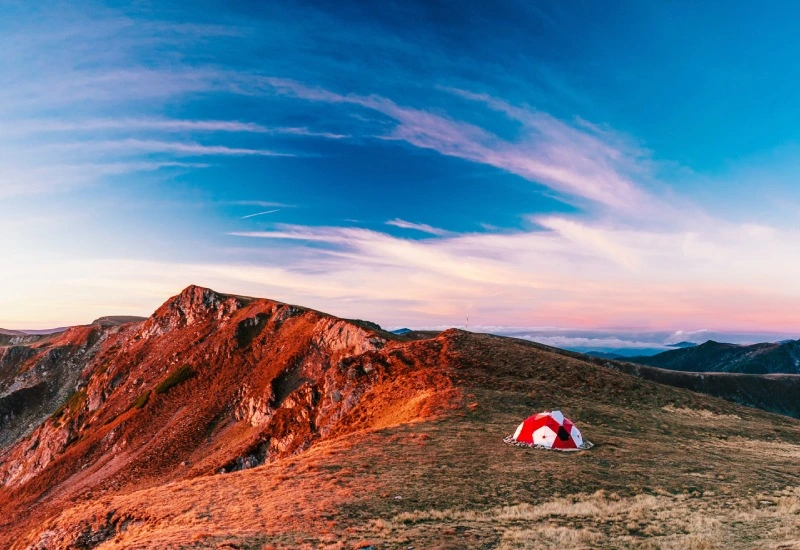
Camping With Adventure Activities In Solang Valley
₹ 1,800
4.6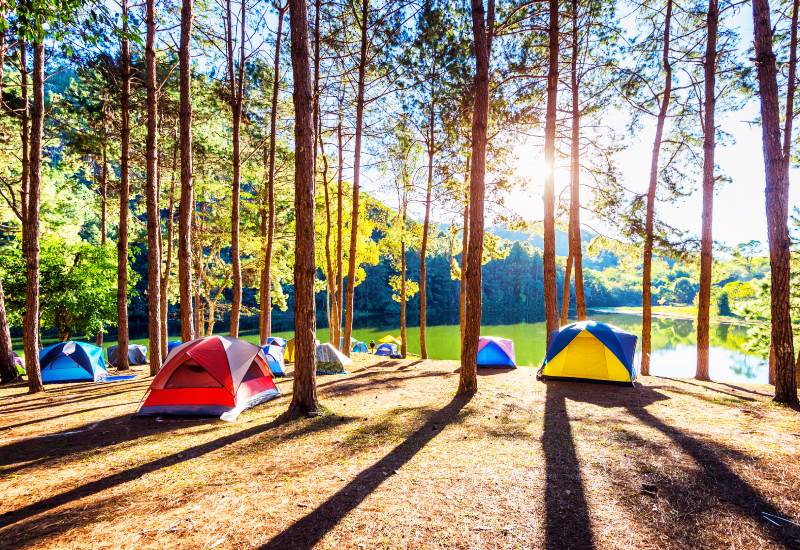
Riverfront Camping in Manali
₹ 1,099
4.8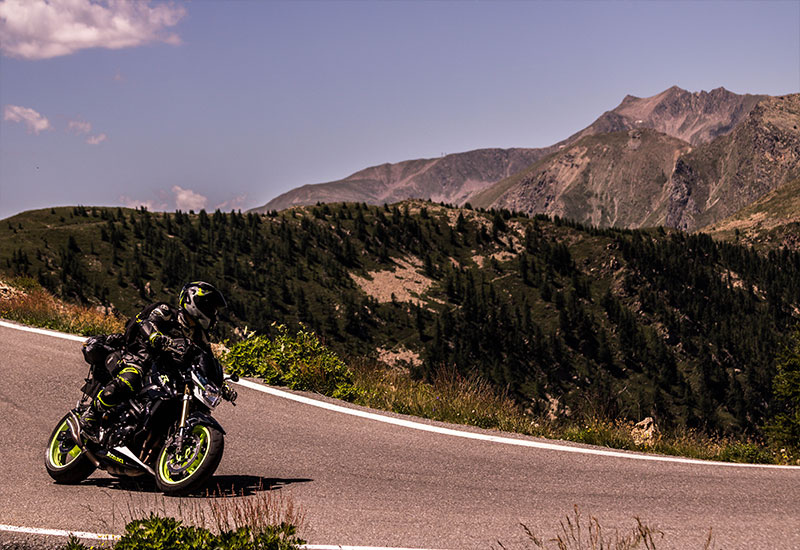
Bike Trip To Leh Via Manali
₹ 62,400
4.8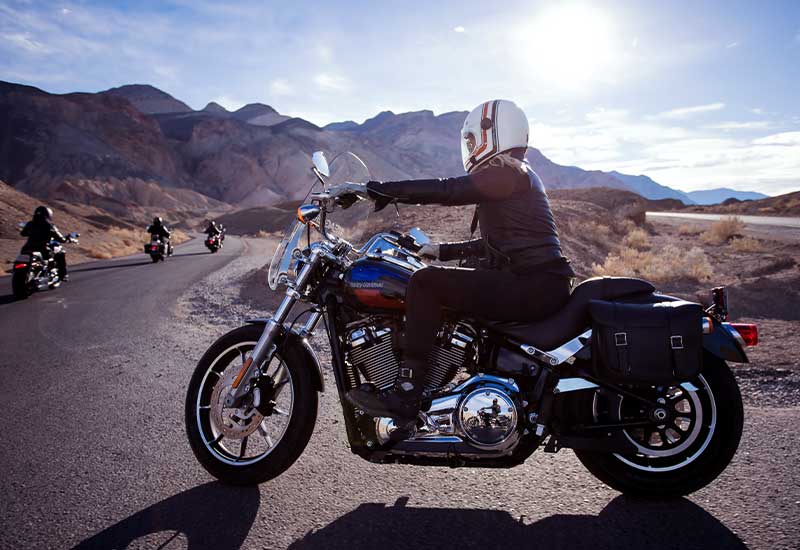
11 Days Manali to Ladakh Bike Trip from Delhi
₹ 45,000
4.9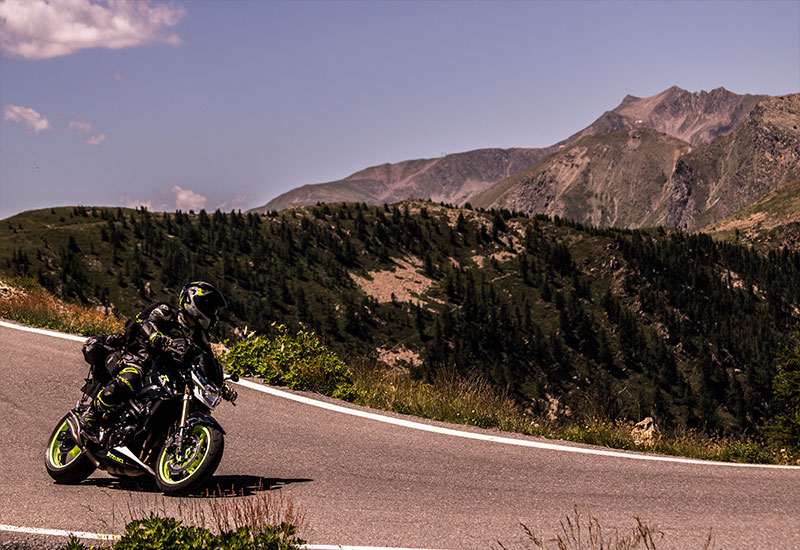
Manali Bike Expedition With Hanle & Tsomoriri
₹ 24,999
4.8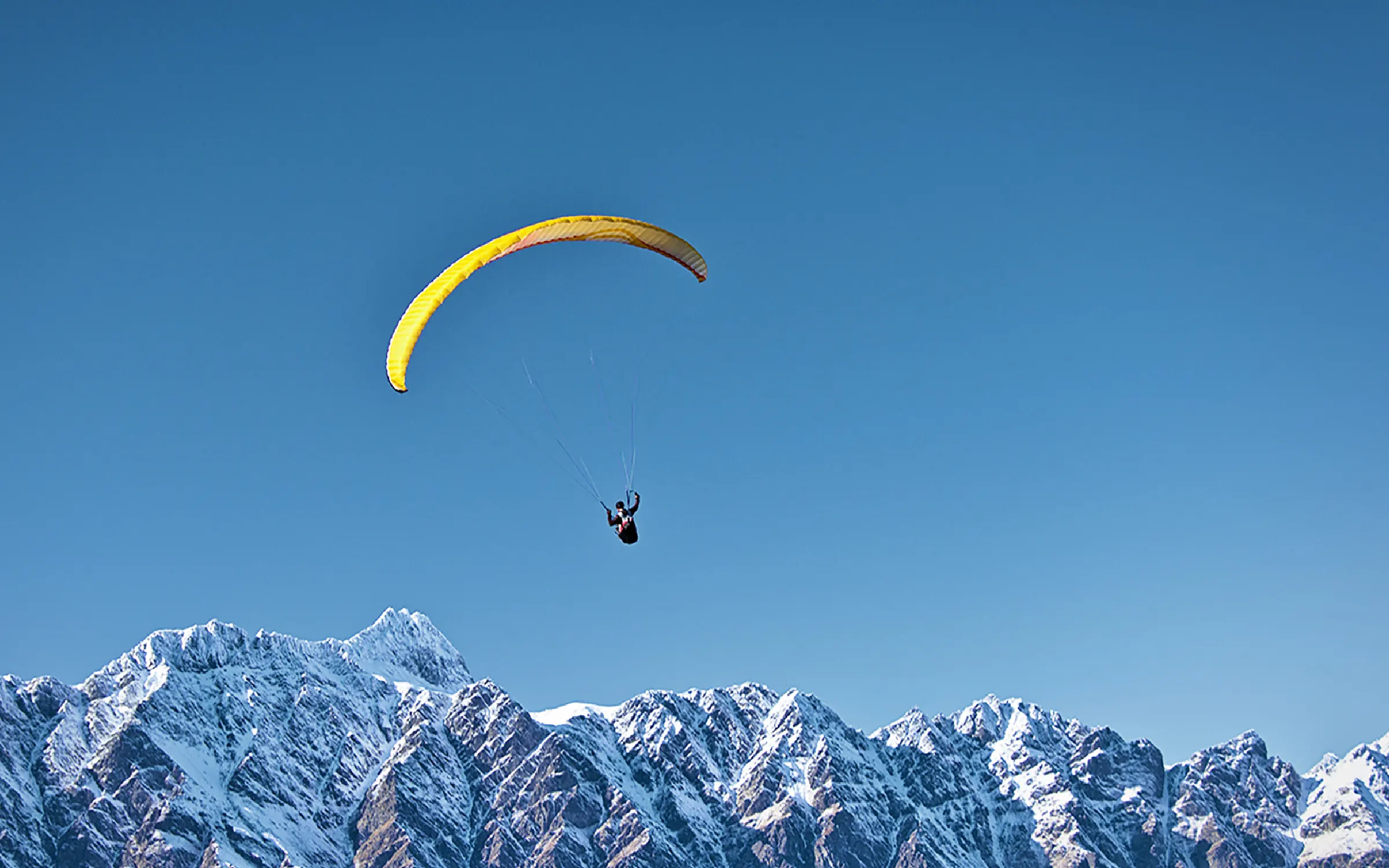
Paragliding In Manali
₹ 1,499
4.6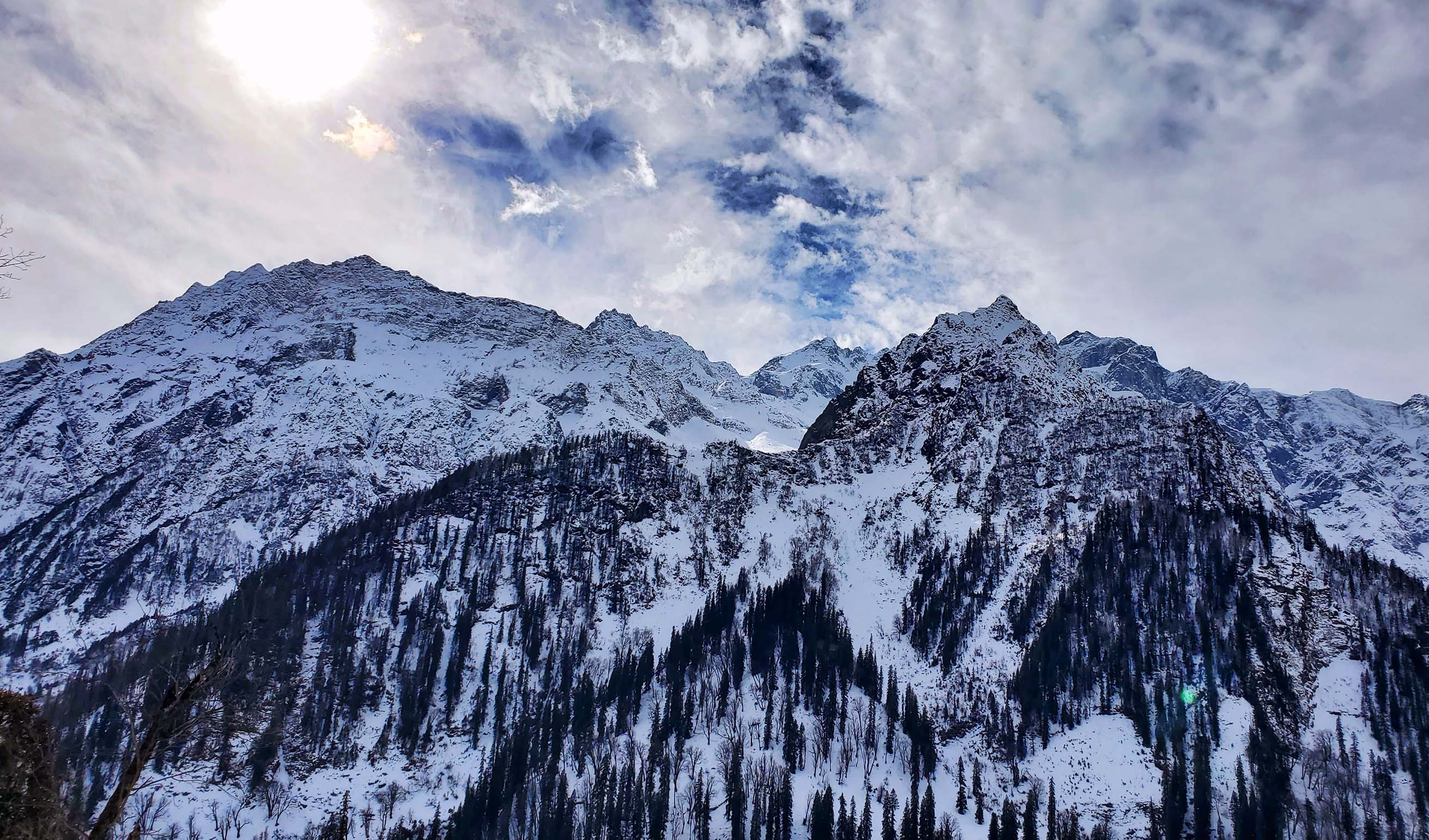
Snowline Trek Mcleodganj
₹ 2,499
4.8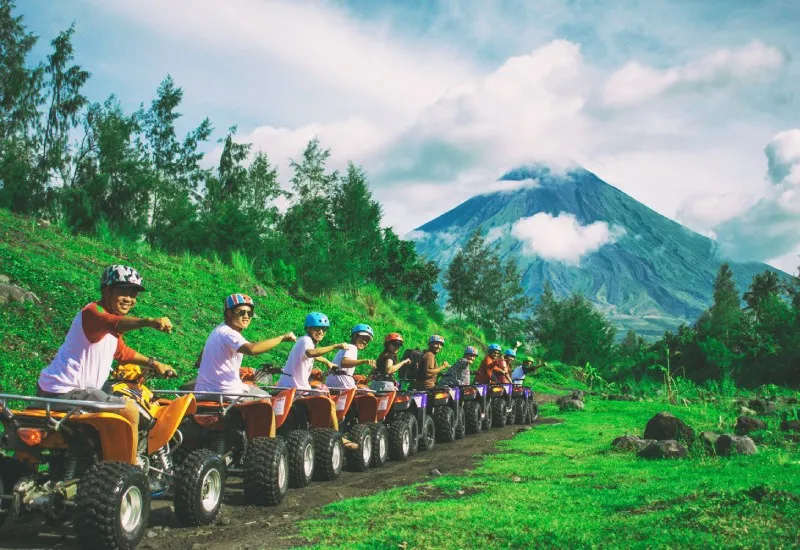
ATV Bike Ride in Solang Valley, Manali
₹ 1,399
4.5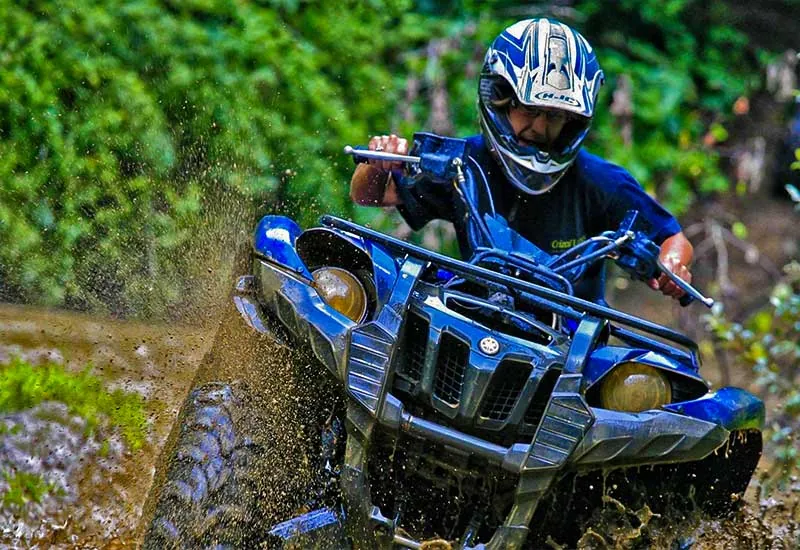
ATV Ride in Manali
₹ 789
4.5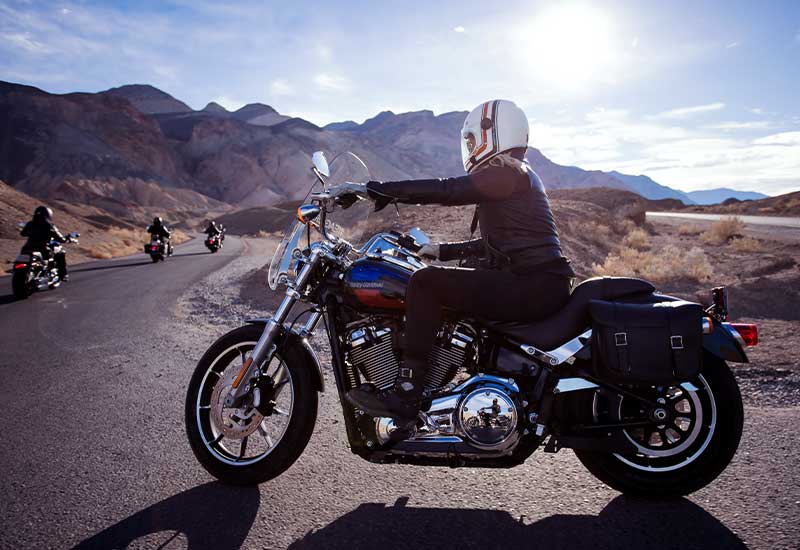
11 Days Manali Leh Manali Bike Trip with Turtuk from Delhi
₹ 24,999
4.2Adventurous Treks
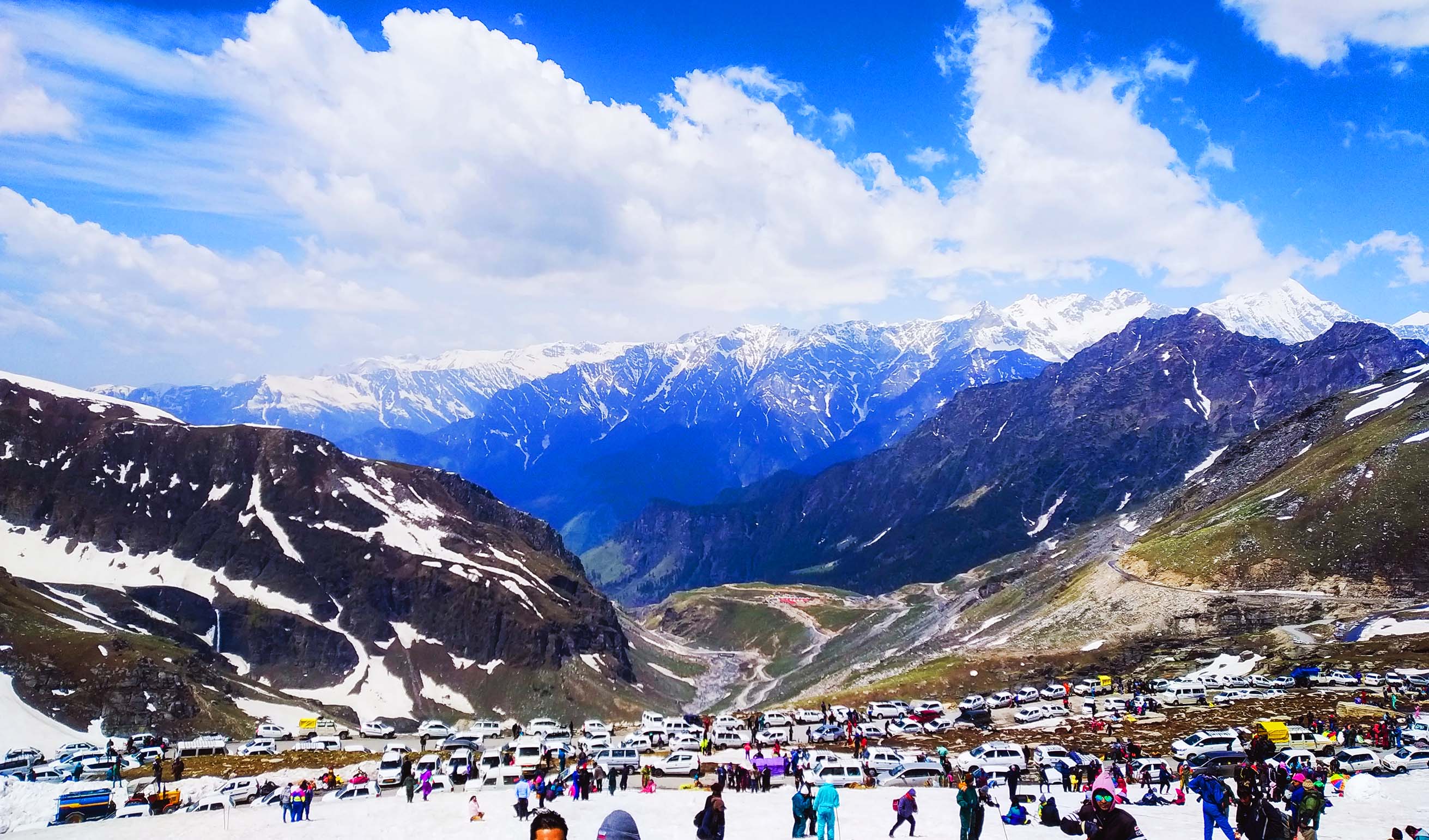
Winter Trek In Manali
₹ 3,849
4.8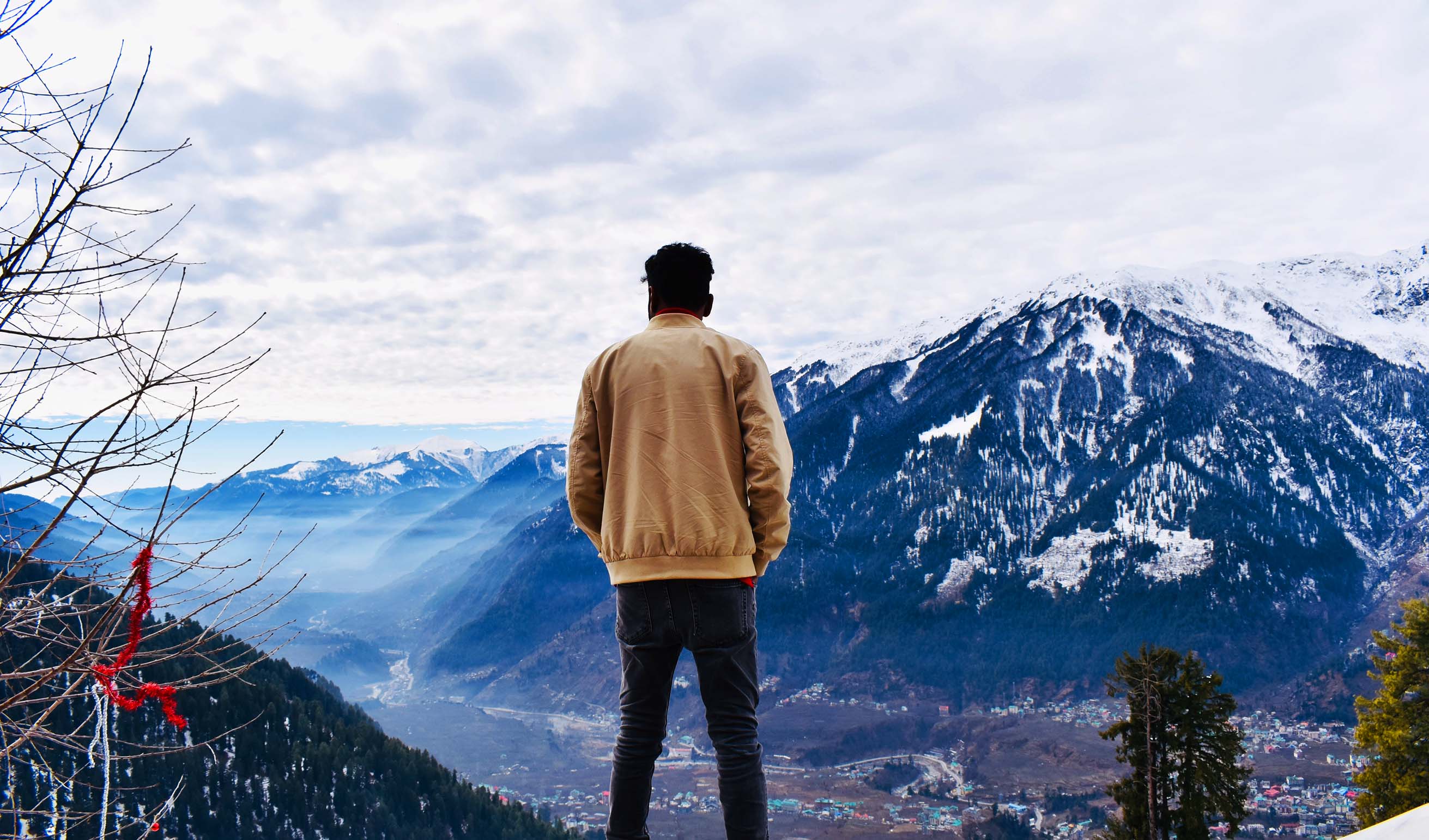
Friendship Peak Trek, Manali
₹ 46,250
4.5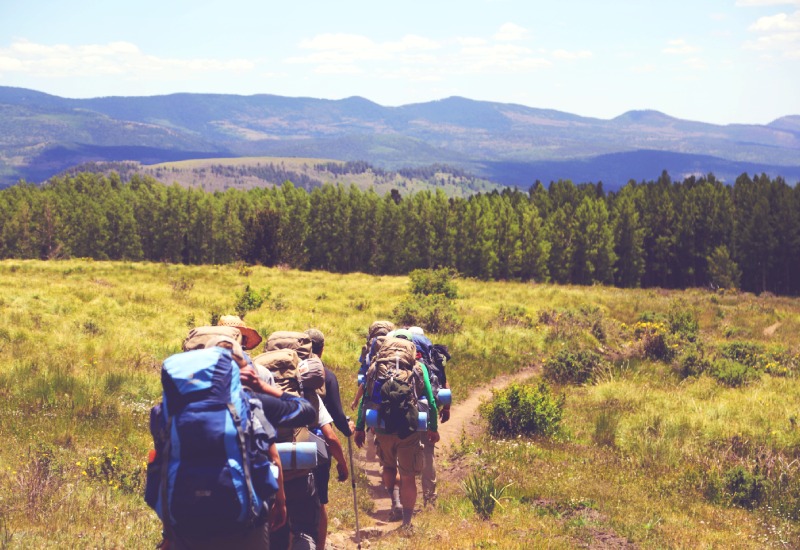
Winter Trekking Expedition Manali
₹ 6,499
4.6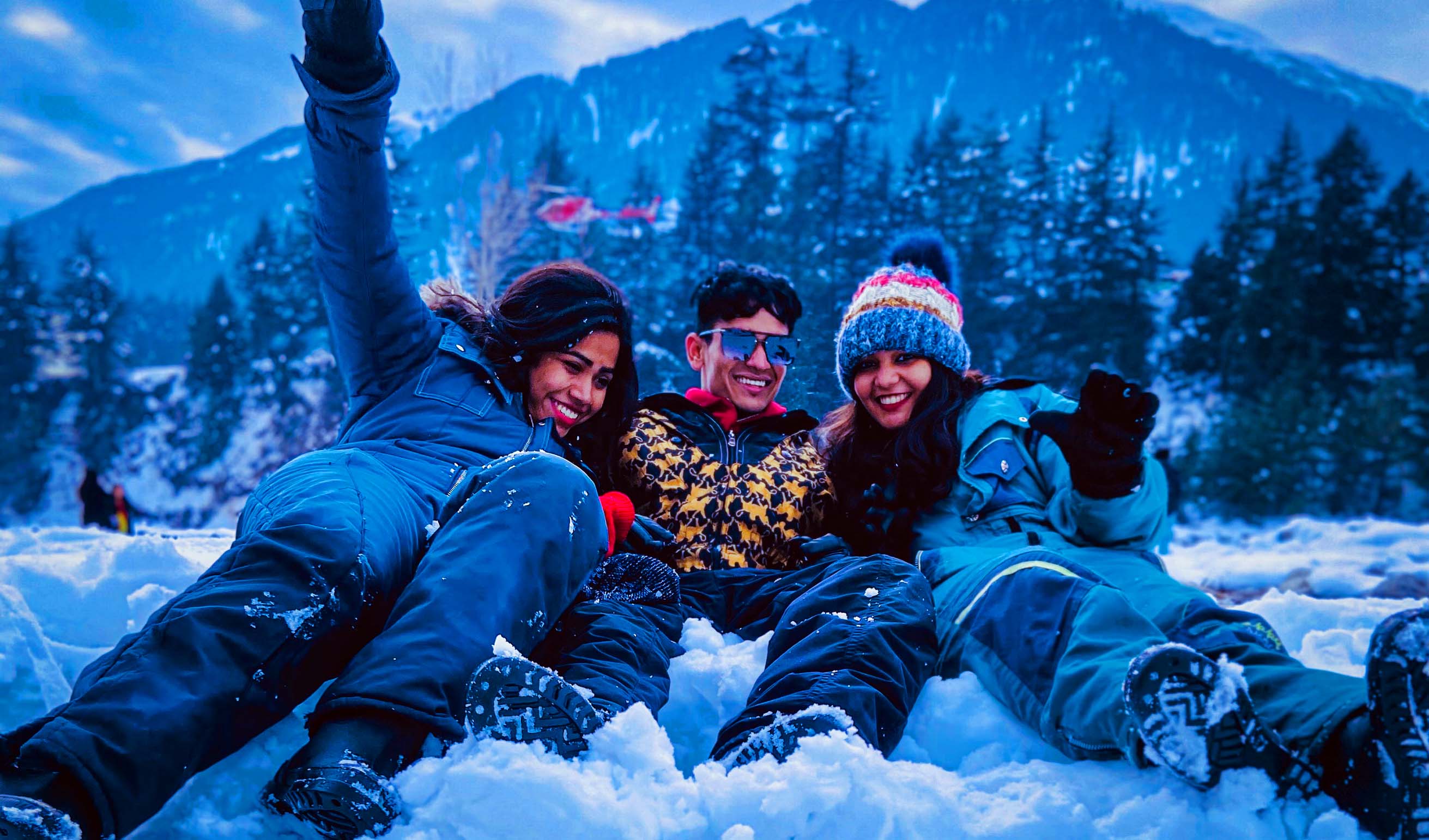
One Day Trekking In Manali
₹ 975
4.6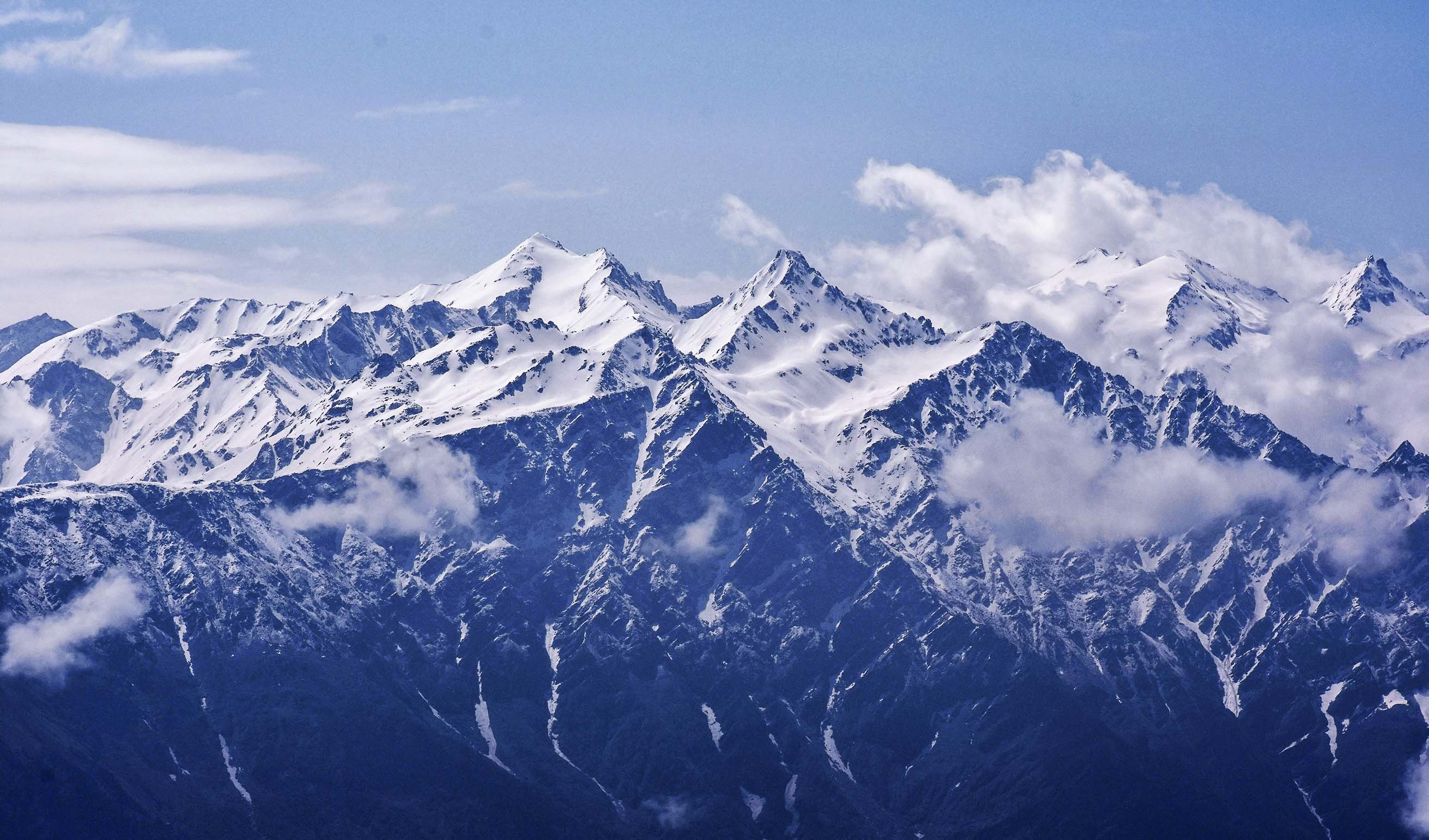
Adventurous Chandrakhani Pass Trek
₹ 6,000
4.8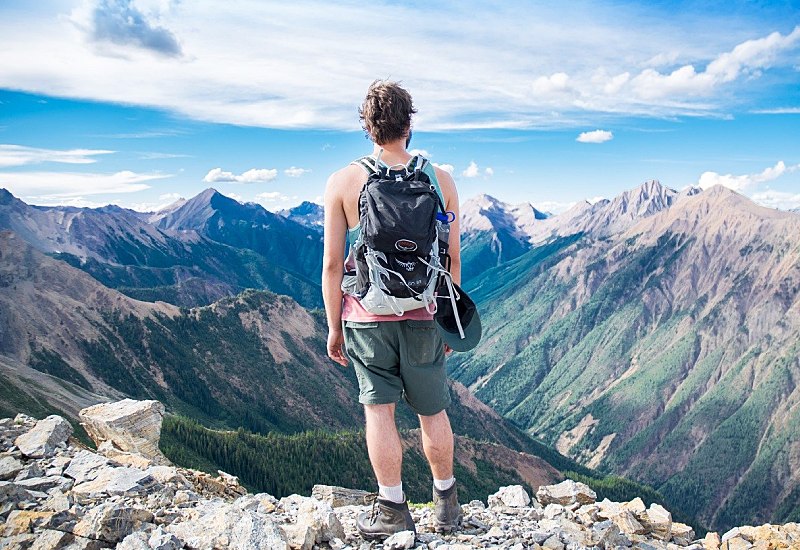
Day Hike to Patalsu Peak
₹ 1,050
4.7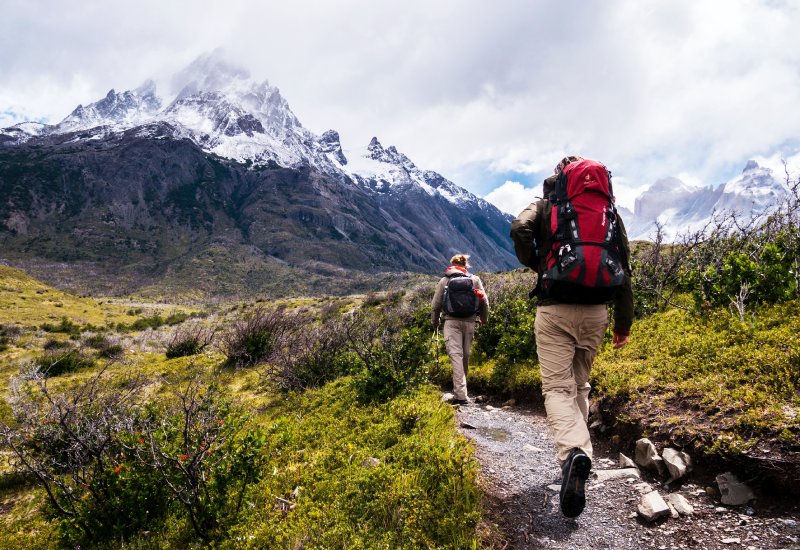
Manali's Bhubhu Pass Trek
₹ 9,200
4.6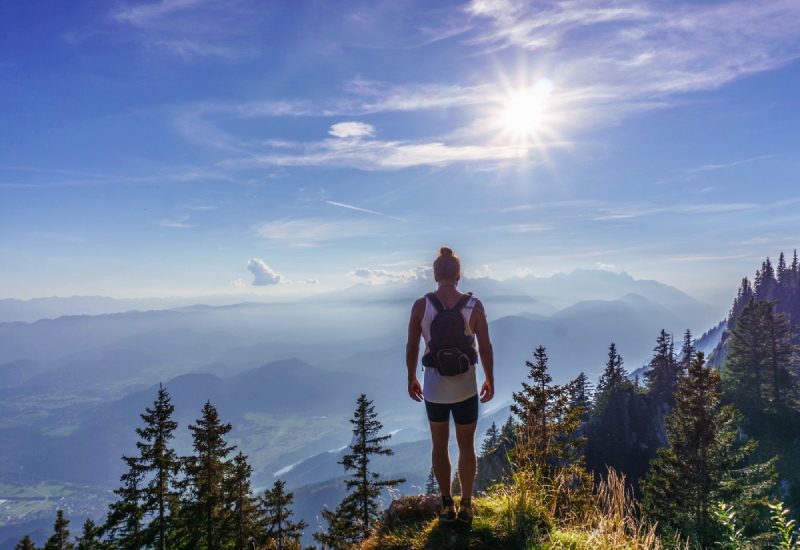
Manali Lamadugh Trek
₹ 3,849
4.6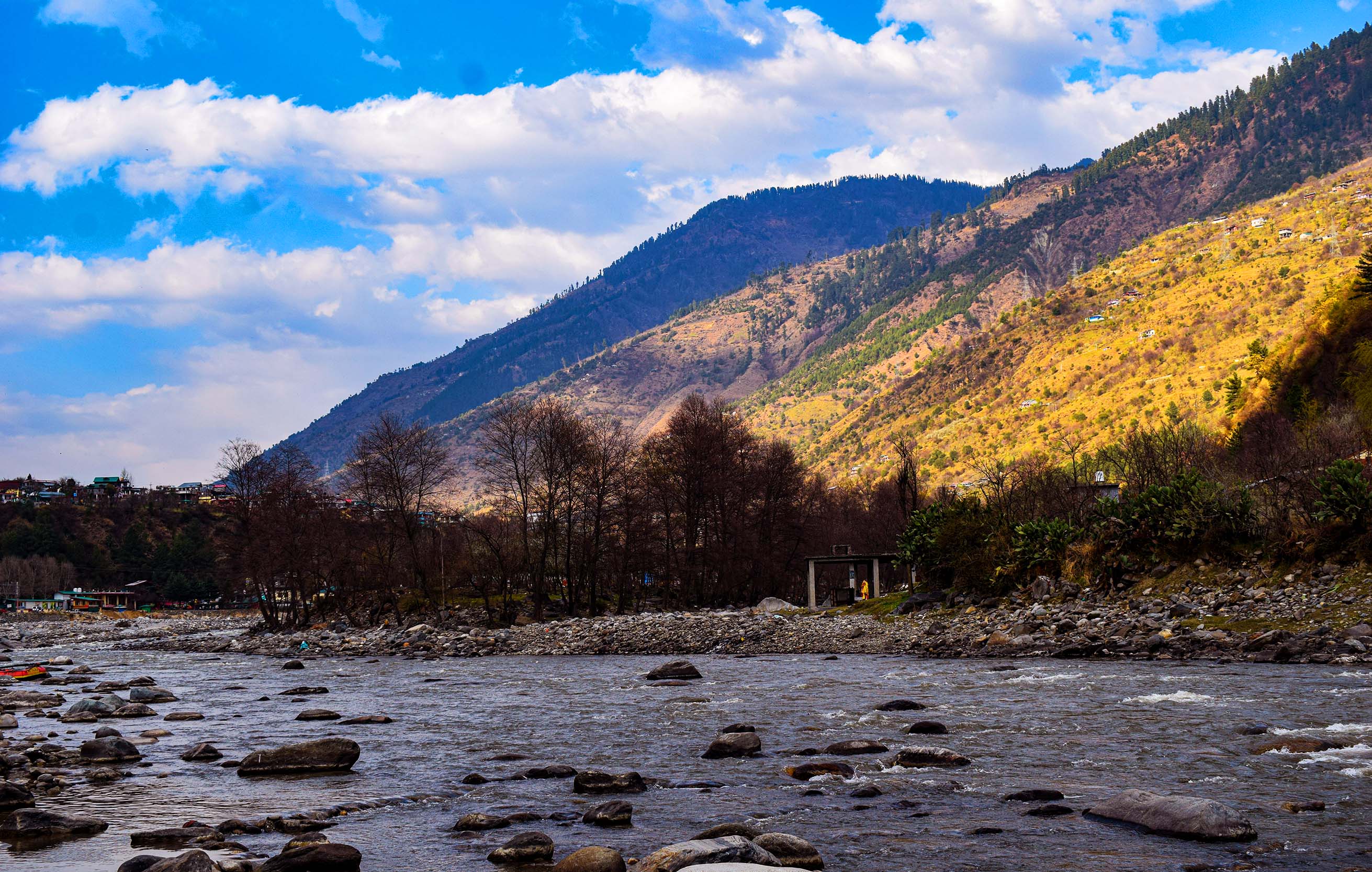
Manali's Beas Kund Trek
₹ 6,599
4.5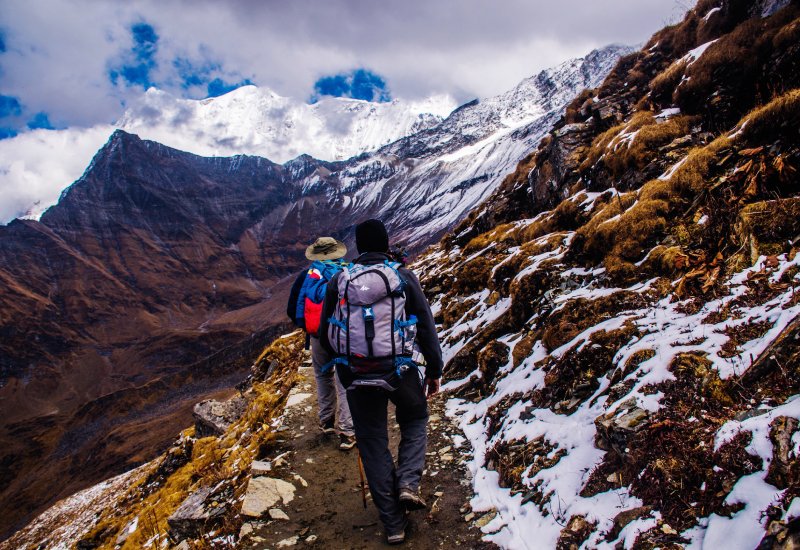
Manali Pandu Ropa Trek
₹ 949
4.8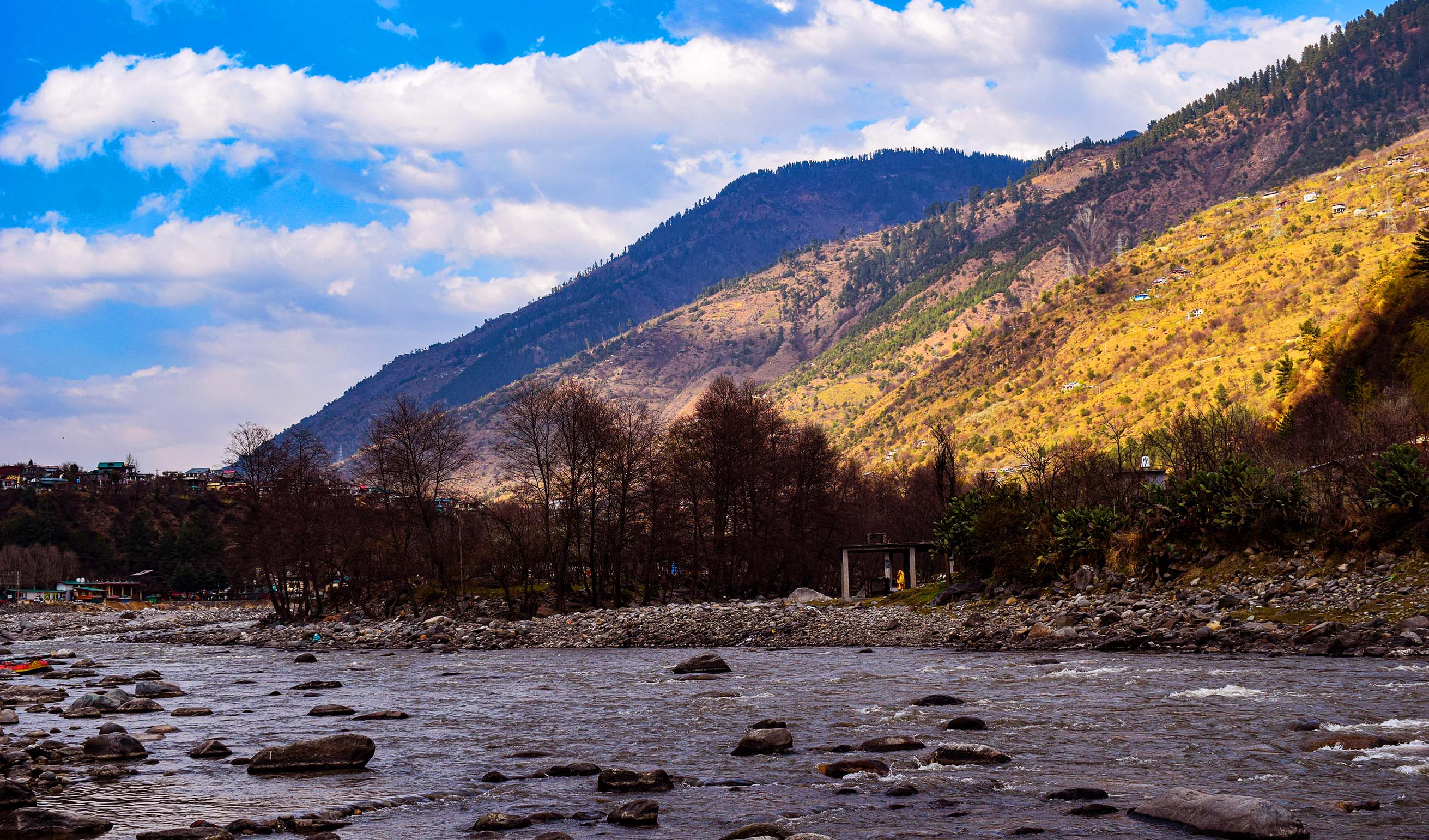
Beas Kund Trek from Manali
₹ 4,599
4.5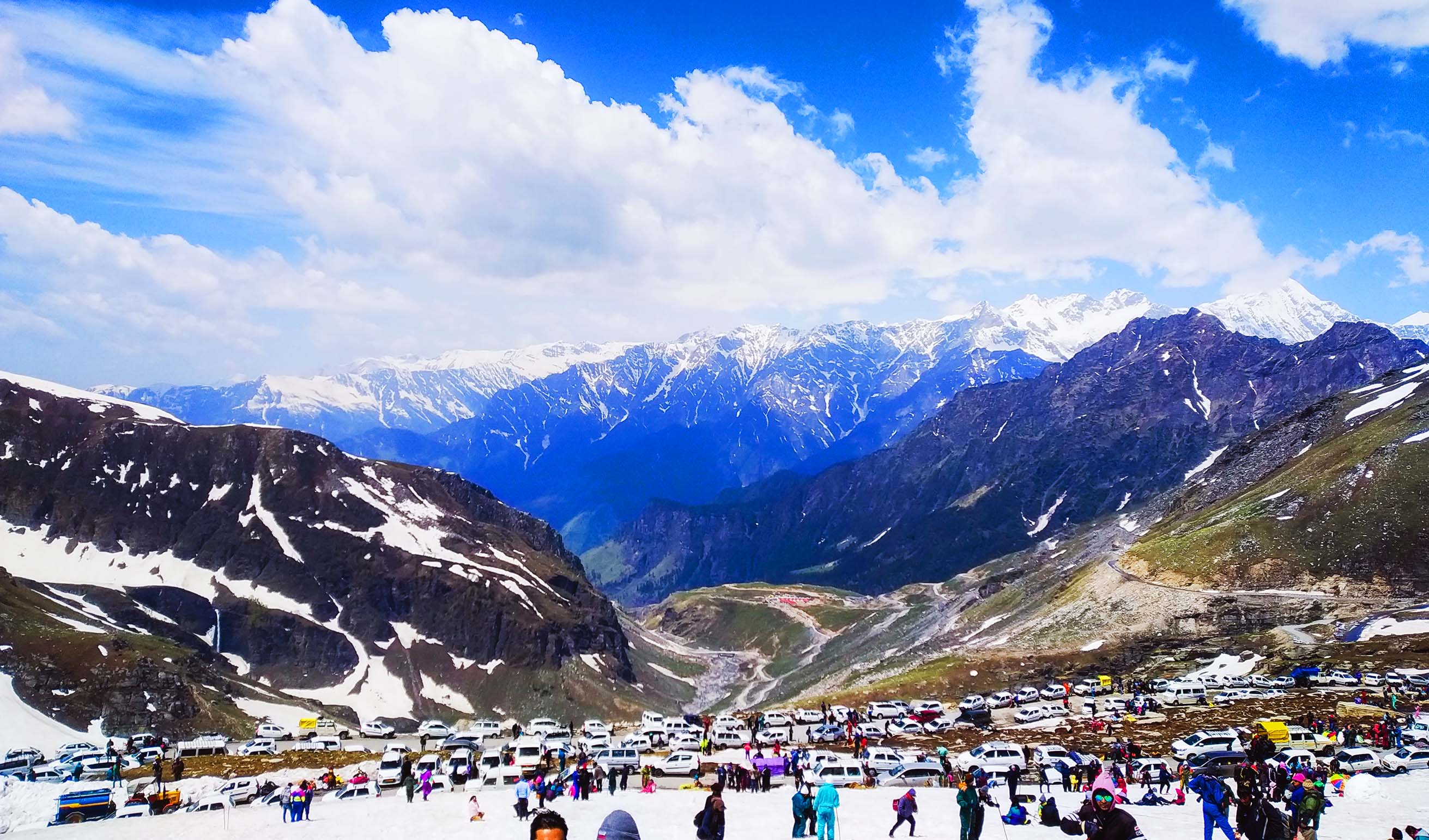
Trek to Bhrigu Lake, Manali
₹ 4,799
4.9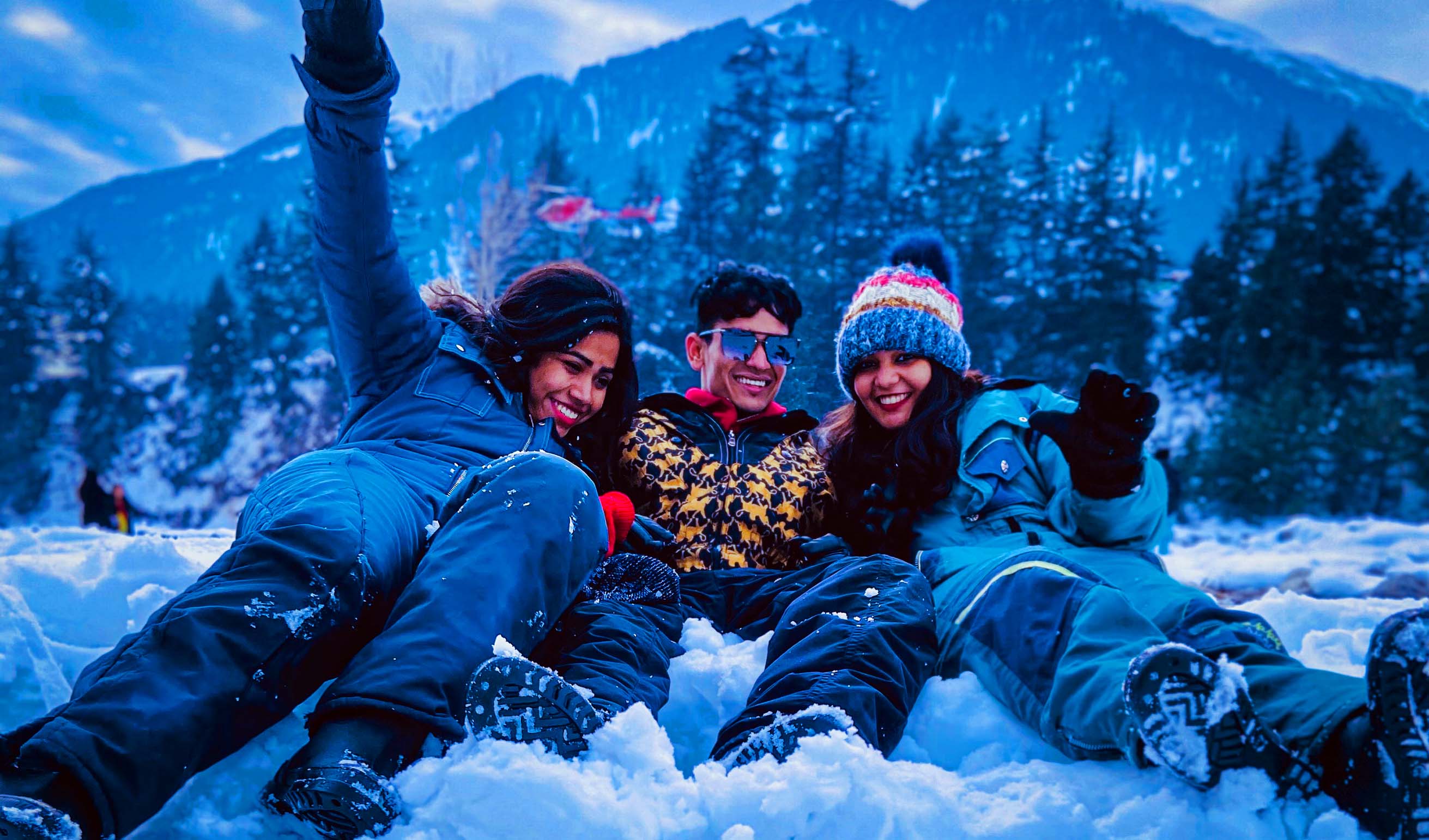
Trek To Adventurous Places Around Manali
₹ 1,800
4.6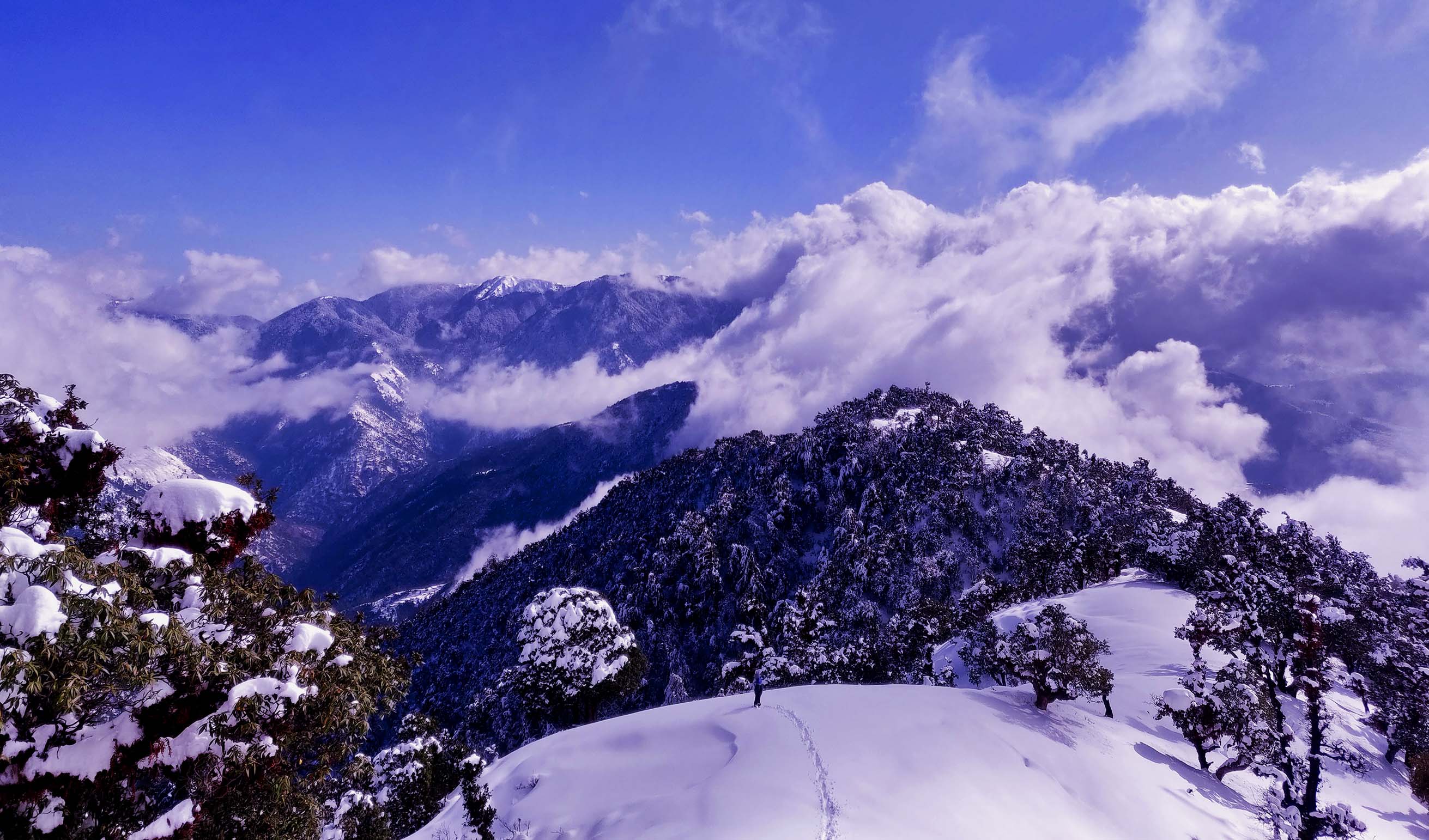
Snow Trekking In Manali
₹ 6,500
4.6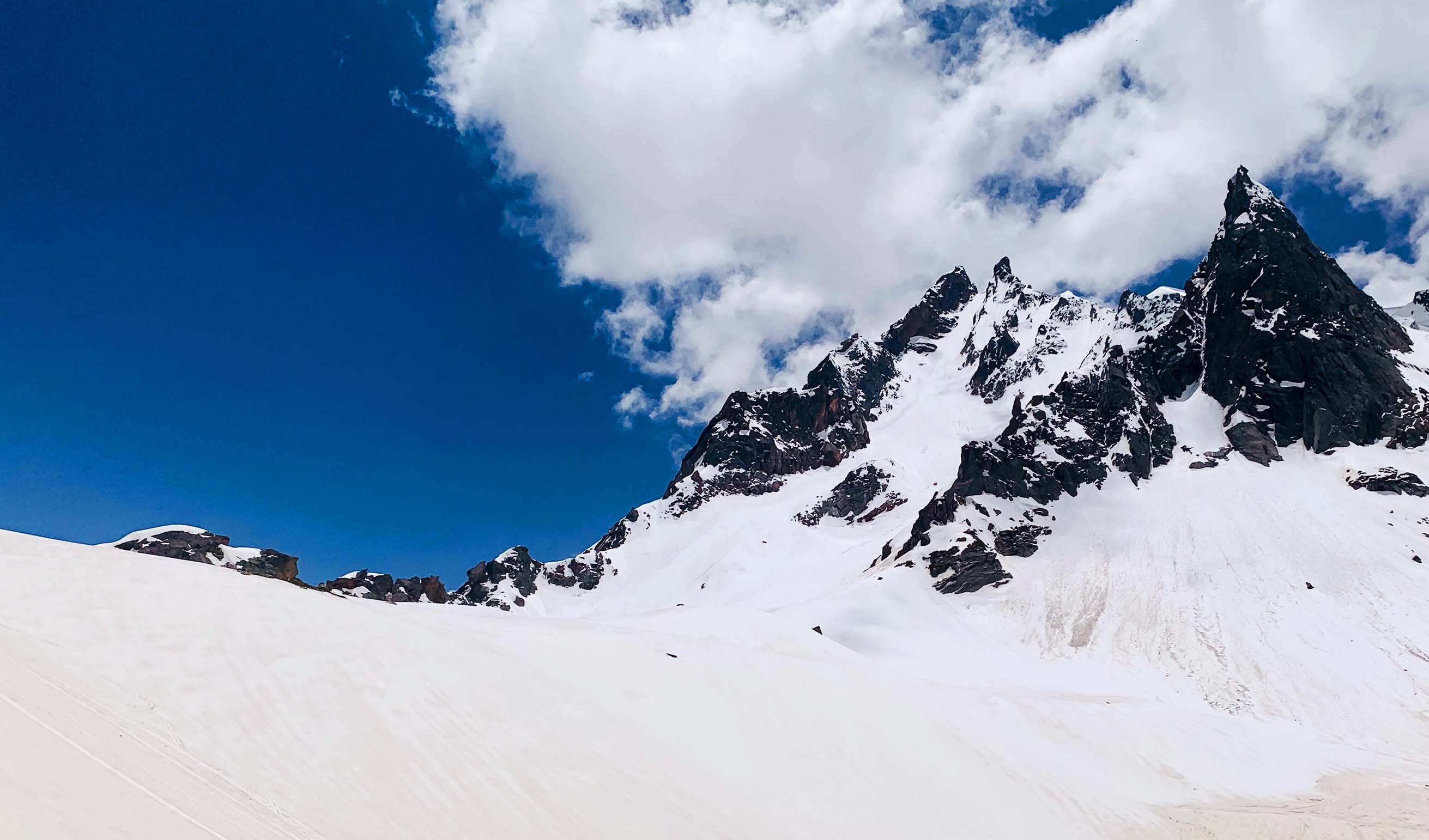
Hampta Pass Trek from Manali 2026
₹ 4,499
4.7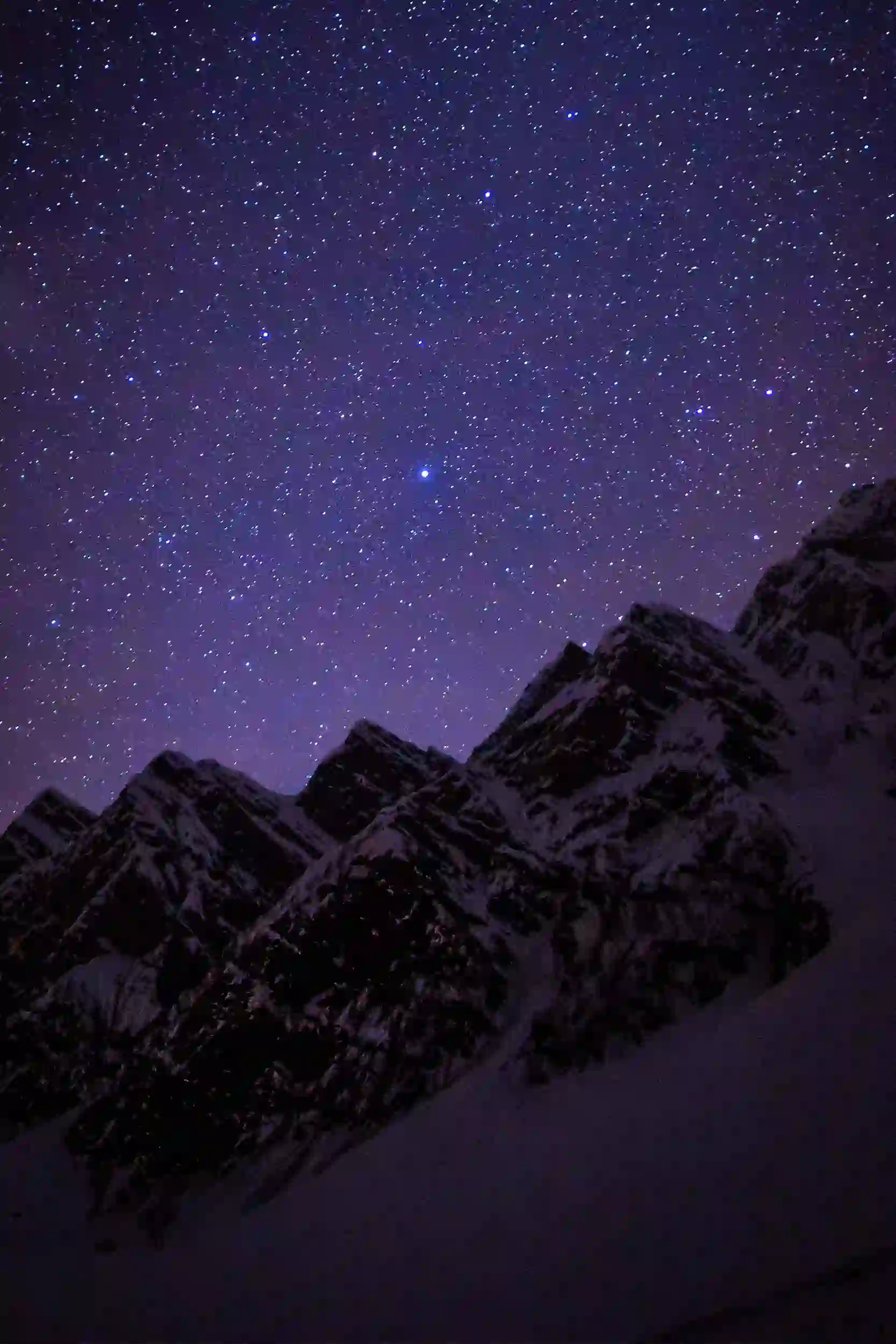
Buran Ghati Trek Himachal 2026
₹ 16,999
4.6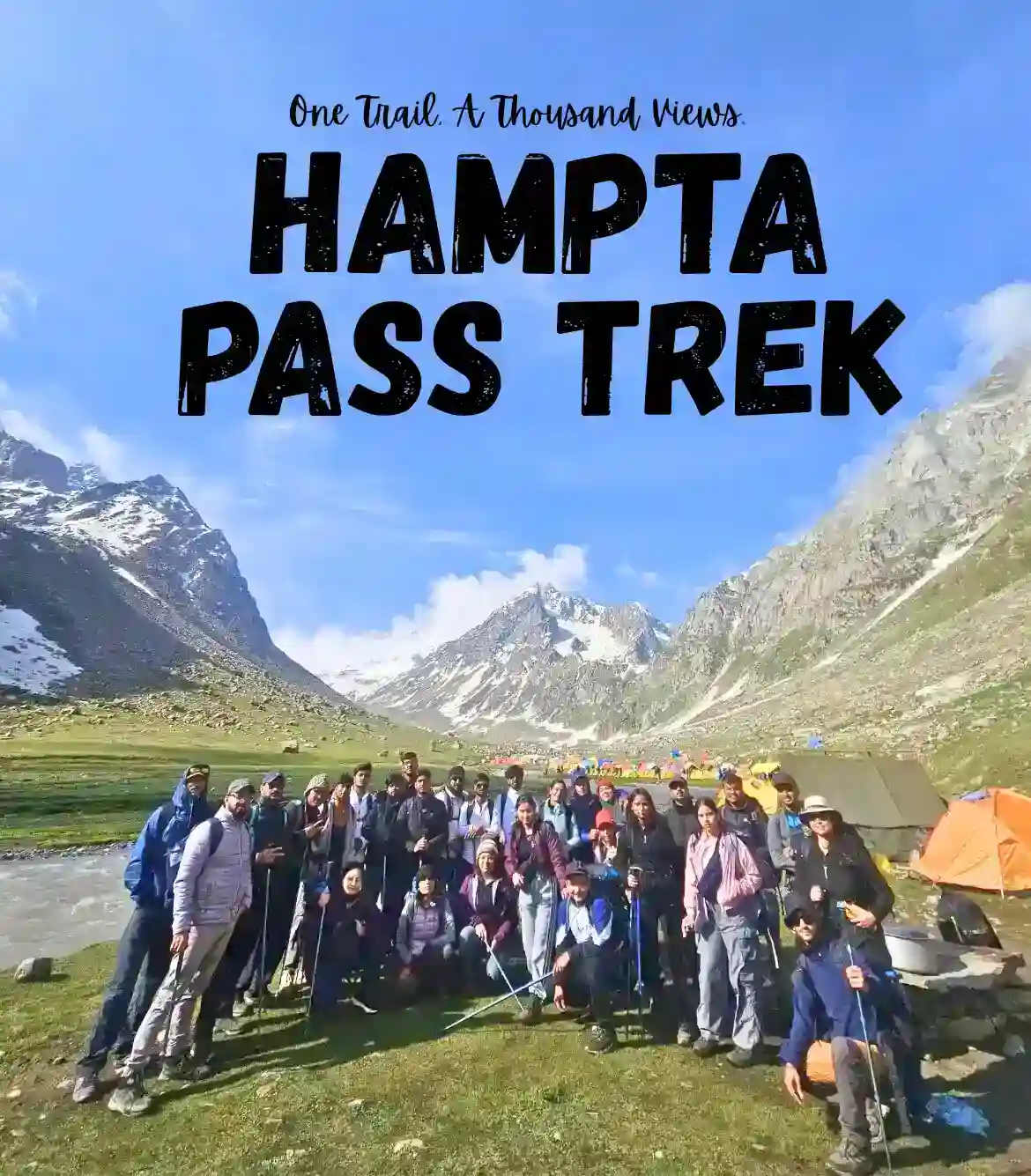
5 Days Hampta Pass Trek with Chandratal Lake 2026
₹ 4,499
4.7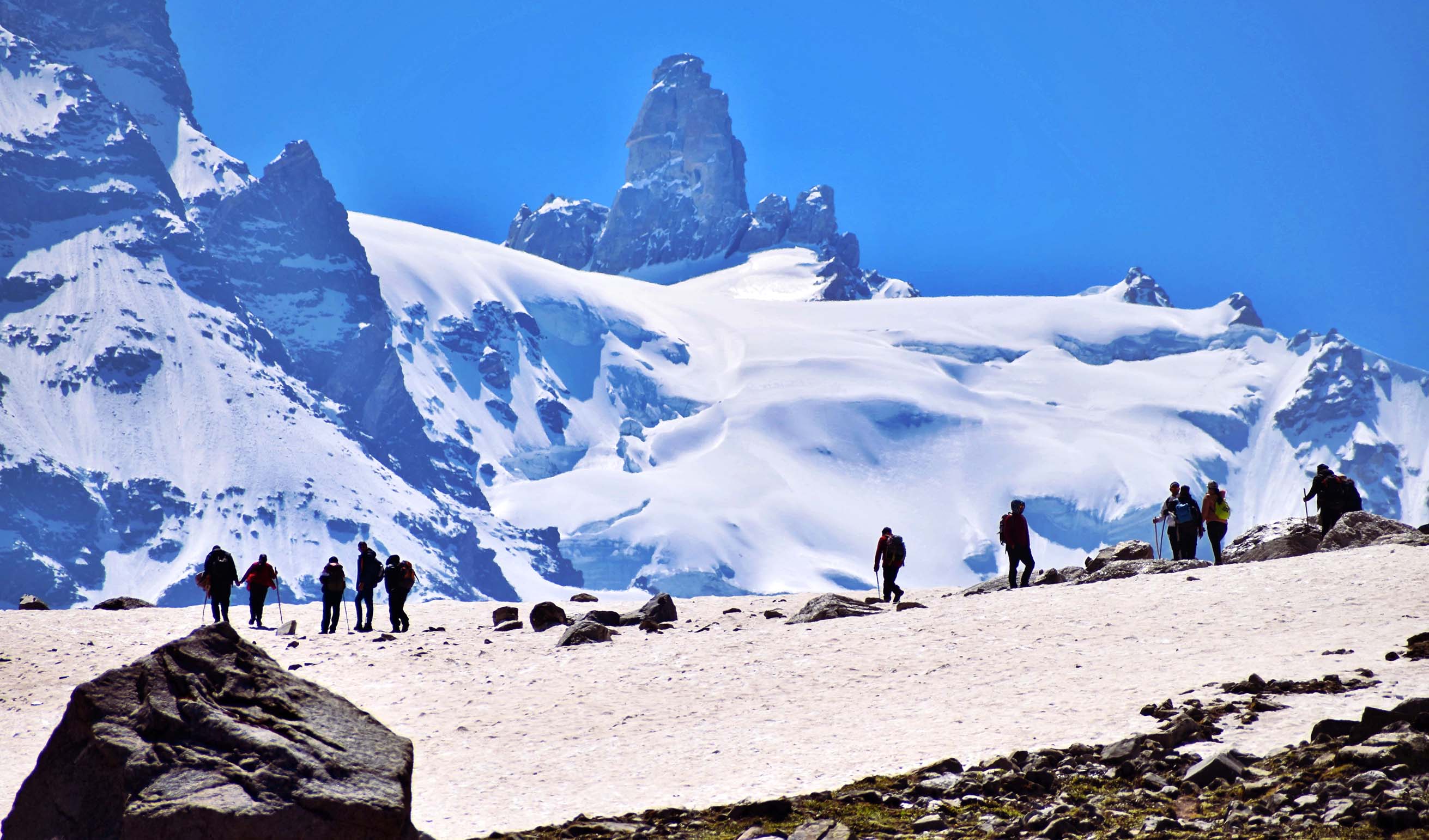
Hampta Valley Exploration Trek From Manali
₹ 4,200
4.9Experience Camping
Winter Trek In Manali
₹ 3,849
4.8Friendship Peak Trek, Manali
₹ 46,250
4.5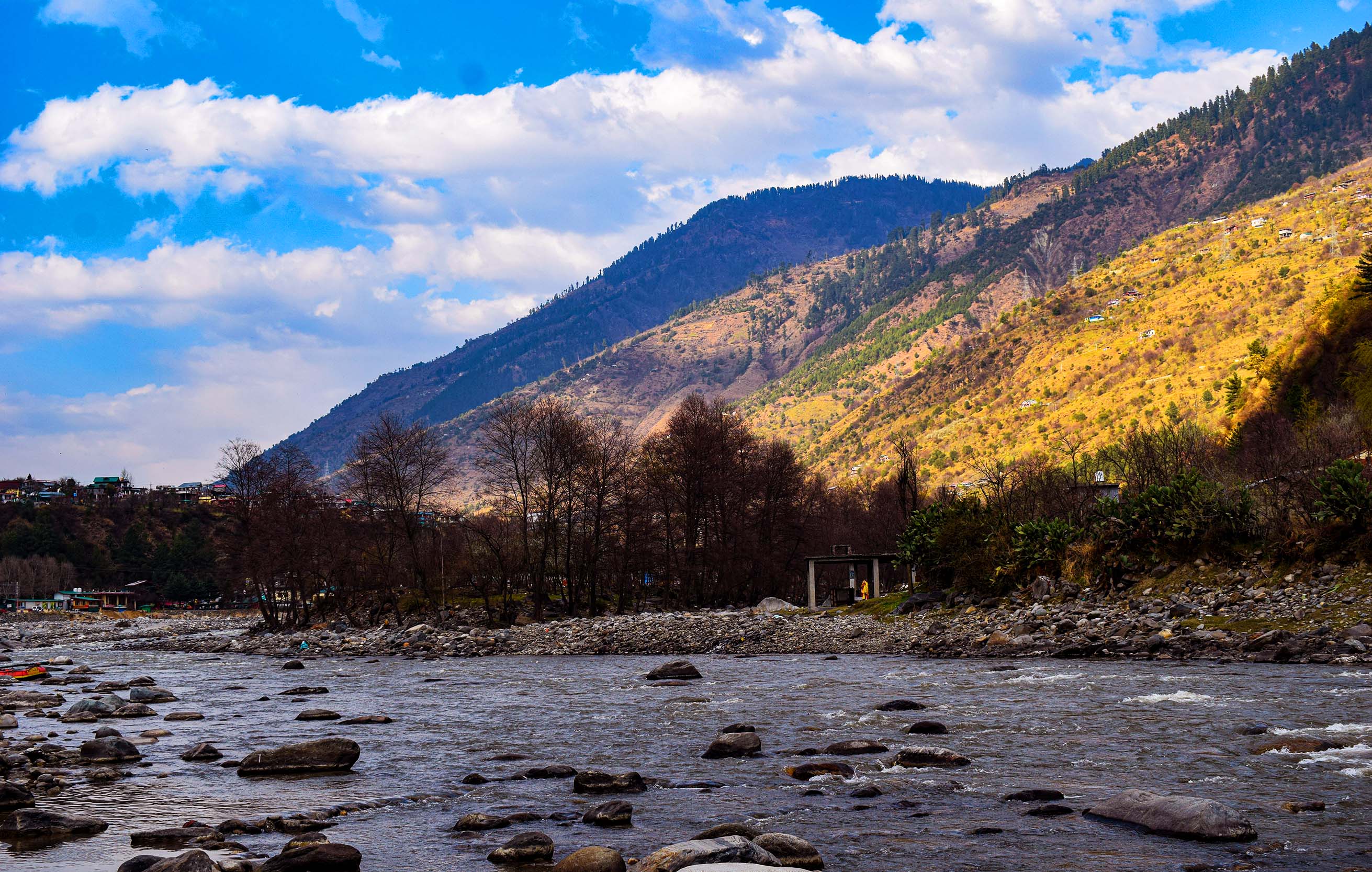
Beas Kund Trek from Solang Valley, Manali
₹ 4,499
4.6One Day Trekking In Manali
₹ 975
4.6
Trekking in Beas Kund , Manali
₹ 15,334
4.5
Adventure Camp In Manali With Sightseeing
₹ 6,300
4.6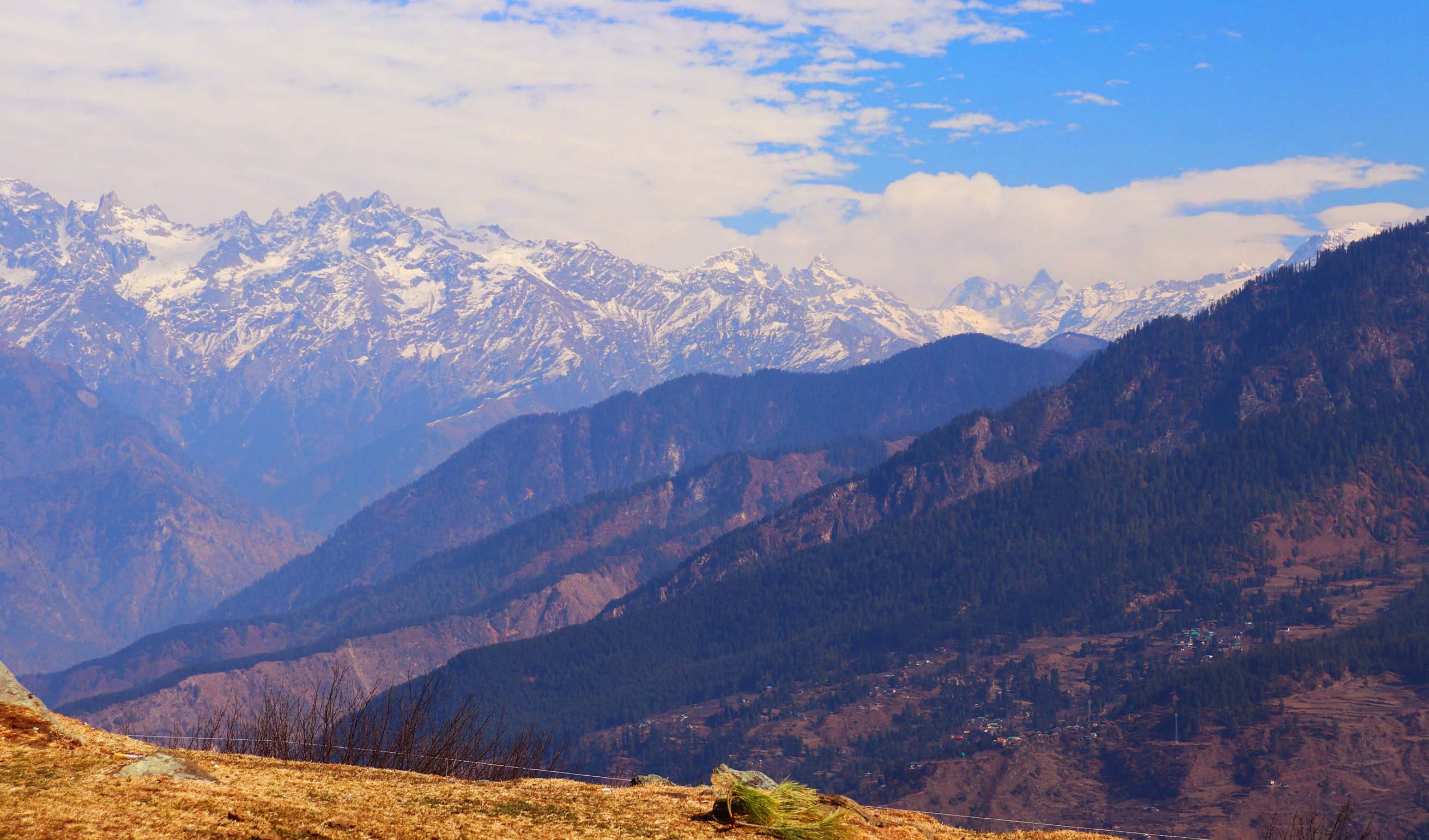
Bijli Mahadev Trek With Rafting Camping In Manali
₹ 5,800
4.9Photography Hike And Snow Camping In Manali
₹ 8,699
4.6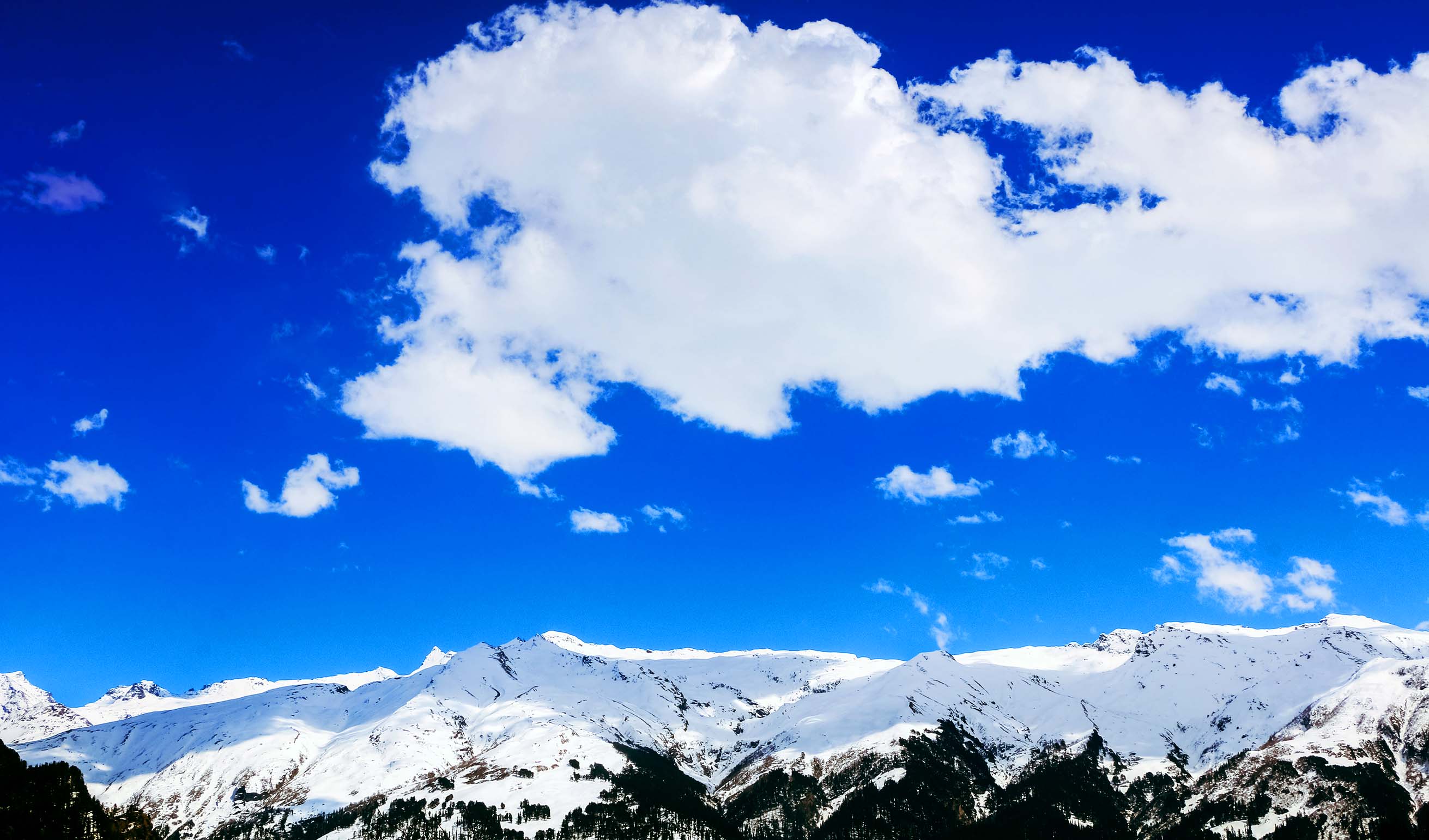
Trek To Solang Nala In Manali
₹ 1,000
4.6Manali Lamadugh Trek
₹ 3,849
4.6Manali Pandu Ropa Trek
₹ 949
4.8Beas Kund Trek from Manali
₹ 4,599
4.5Trek to Bhrigu Lake, Manali
₹ 4,799
4.9Riverfront Camping in Manali
₹ 1,099
4.8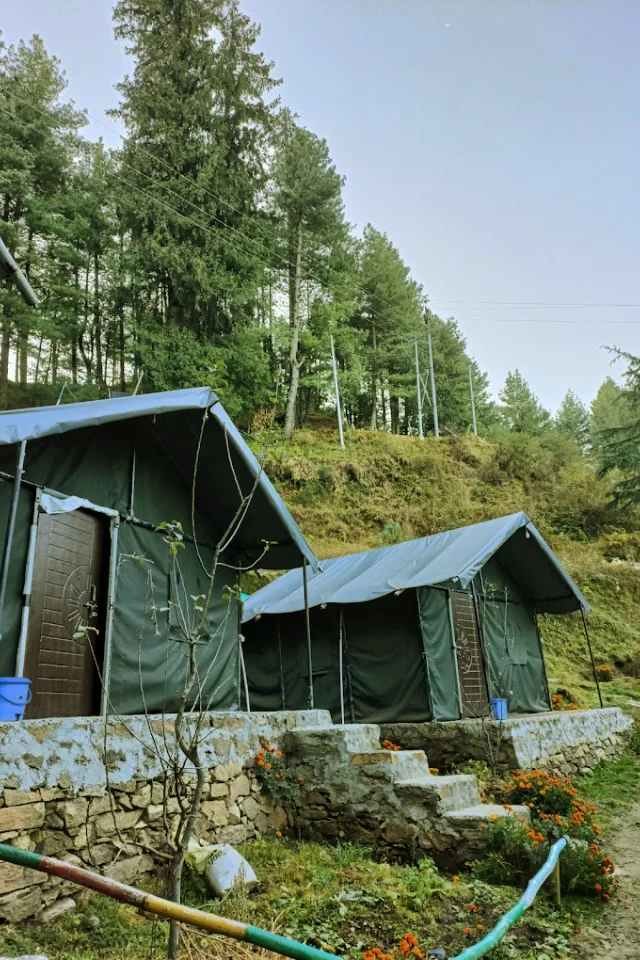
Camping In Solang Valley Manali
₹ 1,200
4.9Snow Trekking In Manali
₹ 6,500
4.6Snowline Trek Mcleodganj
₹ 2,499
4.8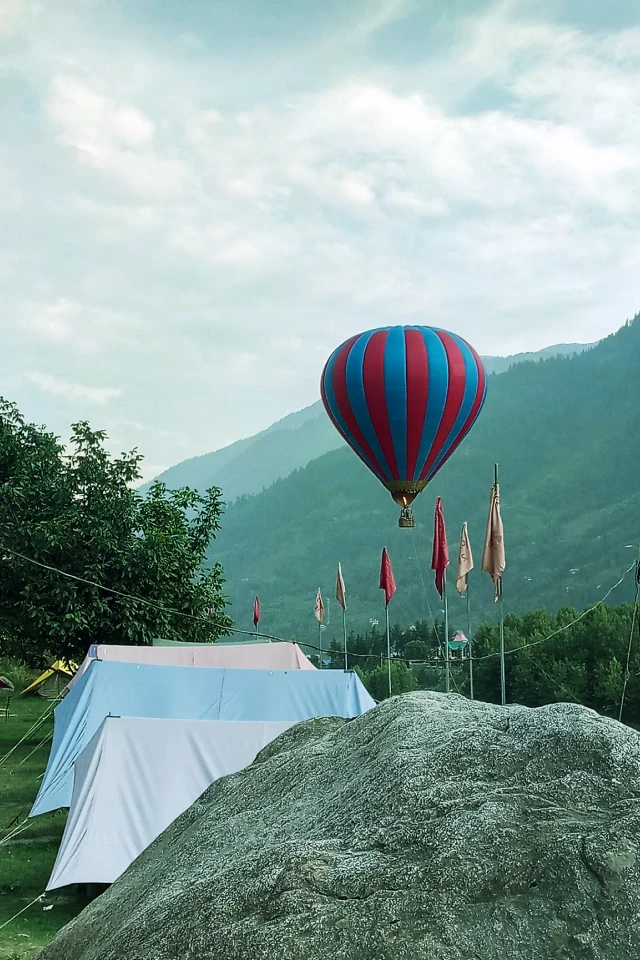
Camping Rafting and Adventure Activities At Manali
₹ 1,000
4.75 Days Hampta Pass Trek with Chandratal Lake 2026
₹ 4,499
4.7Hampta Valley Exploration Trek From Manali
₹ 4,200
4.9