
Ranthambore
Explore Ranthambore



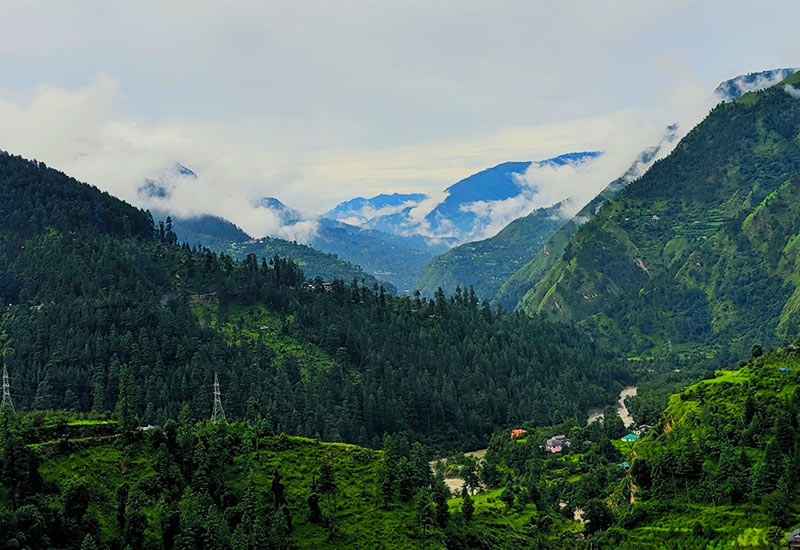
Ranthambore Tourism & Travel Guide
Location: Sawai Madhopur District, Rajasthan
Famous For: Tigers, Wildlife Safaris, Ranthambore Fort, Birdwatching
Nickname/Special Tag: The Land of Tigers
Best Time to Visit: October to March
Ideal Duration: 2 to 3 Days
Climate: Semi-Arid Climate
Local Language: Hindi, Dhundhari, Marwari, English
About Ranthambore
- What makes Ranthambore one of India's most exciting wildlife destinations? Nestled between the Aravalli and Vindhya hill ranges, this remarkable destination combines dense forests, ancient fortifications, tranquil lakes, and incredible wildlife encounters. Famous for its thriving tiger population, Ranthambore Tourism attracts nature lovers, photographers, history enthusiasts, and adventure seekers from across the world.
- The destination offers a rare opportunity to witness Royal Bengal Tigers roaming freely against a backdrop of historic ruins and rugged landscapes. Beyond wildlife, visitors can explore centuries-old temples, cultural landmarks, seasonal festivals, and authentic Rajasthani traditions.
- Whether you are planning a wildlife getaway, a family vacation, or a photography expedition, Ranthambore delivers unforgettable experiences year-round.
History of Ranthambore
- Ranthambore derives its name from the historic Ranthambore Fort, originally known as Ranastambhapura, meaning "City of the Battle Post." The fort dates back to the 10th century and served as a strategic stronghold for several Rajput rulers. Over centuries, the region witnessed numerous battles before eventually becoming one of India's most celebrated wildlife reserves.
What Each Season Offers
Summer (April to June)
- Special Highlights: Excellent tiger sightings, wildlife photography, safari experiences
- Crowd and Atmosphere: Moderate crowds with hot daytime temperatures
- Travel Essentials: Light cotton clothing, hats, sunscreen, water bottles
- Budget Requirements: Competitive accommodation rates
Monsoon (July to September)
- Special Highlights: Lush greenery, refreshed landscapes, scenic beauty
- Crowd and Atmosphere: Fewer tourists and peaceful surroundings
- Travel Essentials: Rain protection and waterproof footwear
- Budget Requirements: Attractive hotel discounts
Winter (October to March)
- Special Highlights: Wildlife safaris, fort visits, birdwatching, sightseeing
- Crowd and Atmosphere: Peak tourist season with pleasant weather
- Travel Essentials: Light jackets for mornings and evenings
- Budget Requirements: Higher accommodation and safari demand
Note: The best time to visit Ranthambore is from October to March when pleasant weather makes safaris, sightseeing, and outdoor activities comfortable.
How to Reach Ranthambore
- By Air: Jaipur International Airport, approximately 180 kilometres away, is the nearest major airport offering regular domestic and international connectivity.
- By Train: Sawai Madhopur Railway Station is one of Rajasthan's best-connected railway stations and serves as the primary rail gateway to Ranthambore.
- By Road: State highways, Rajasthan Roadways buses, taxis, and private vehicles provide convenient access from Jaipur, Delhi, Kota, and nearby destinations.
Festivals of Ranthambore
1. Ganesh Chaturthi Fair
- Celebrated at the Trinetra Ganesh Temple inside Ranthambore Fort, this major festival attracts thousands of devotees with processions, rituals, and cultural performances.
2. Makar Sankranti
- Celebrated every January, Makar Sankranti marks the harvest season with colourful kite flying, traditional sweets, and vibrant community gatherings.
3. Gangaur Festival
- One of Rajasthan's most colourful celebrations where women honour Goddess Gauri through traditional rituals, folk songs, and cultural gatherings.
4. Teej Festival
- Celebrated during the monsoon season, Teej honours Goddess Parvati and is marked by traditional songs, colourful attire, folk dances, and community celebrations across Rajasthan.
5. Holi
- The festival of colours is celebrated enthusiastically with traditional Rajasthani music, sweets, community gatherings, and vibrant celebrations.
Top 5 Places to Visit in Ranthambore
1. Ranthambore National Park
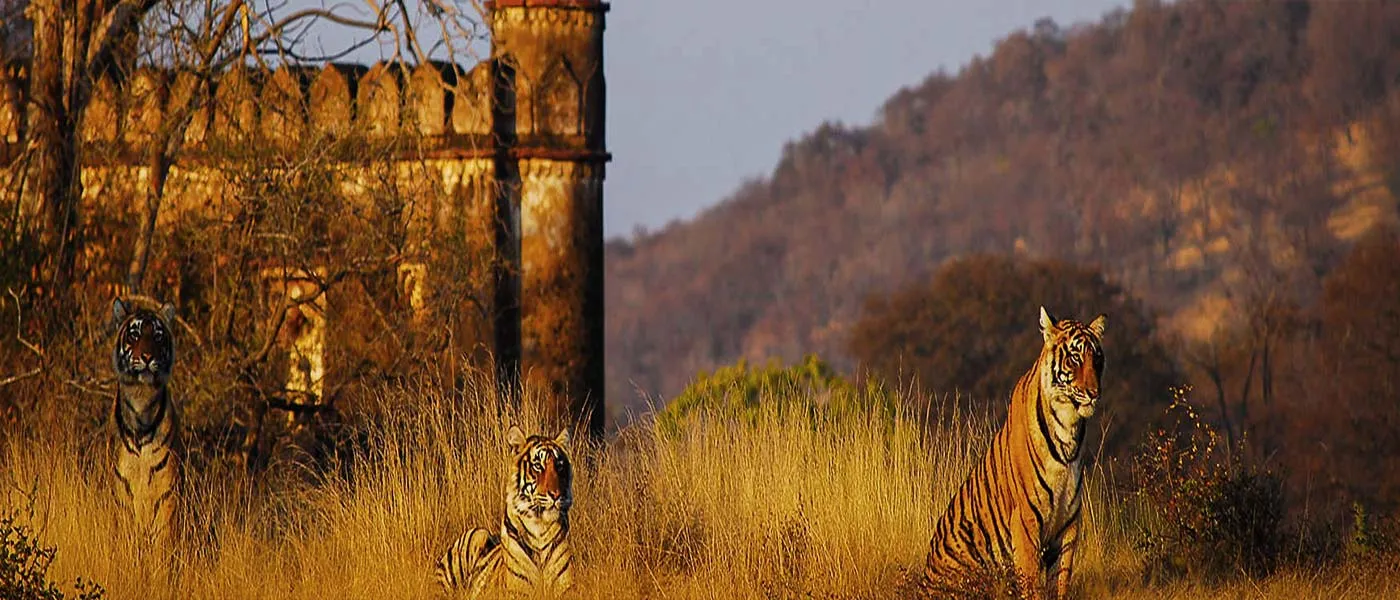
- One of the most celebrated wildlife reserves in India, Ranthambore National Park offers thrilling safari experiences, rich biodiversity, and opportunities to spot Royal Bengal Tigers in their natural habitat.
2. Ranthambore Fort
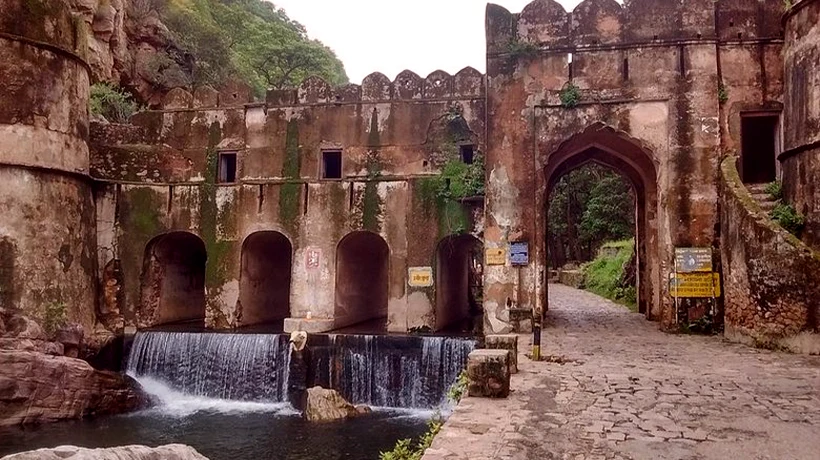
- Perched atop a hill within the reserve, Ranthambore Fort is a UNESCO World Heritage Site featuring ancient temples, historic ruins, and spectacular views of the surrounding forest.
3. Trinetra Ganesh Temple
- Located inside the fort complex, this revered temple attracts devotees throughout the year and holds immense cultural and religious significance.
4. Padam Talao
- The largest lake within the reserve, famous for its scenic surroundings, abundant birdlife, and frequent wildlife sightings.
5. Raj Bagh Ruins
- These picturesque ruins create one of the reserve's most iconic landscapes and are often seen in wildlife photographs featuring tigers and other animals.
Top 5 Things to Do in Ranthambore
1. Experience a Jungle Safari
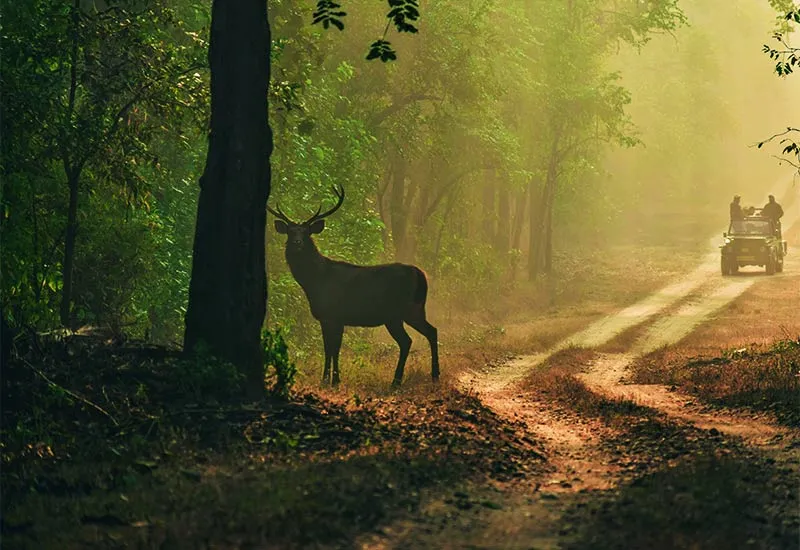
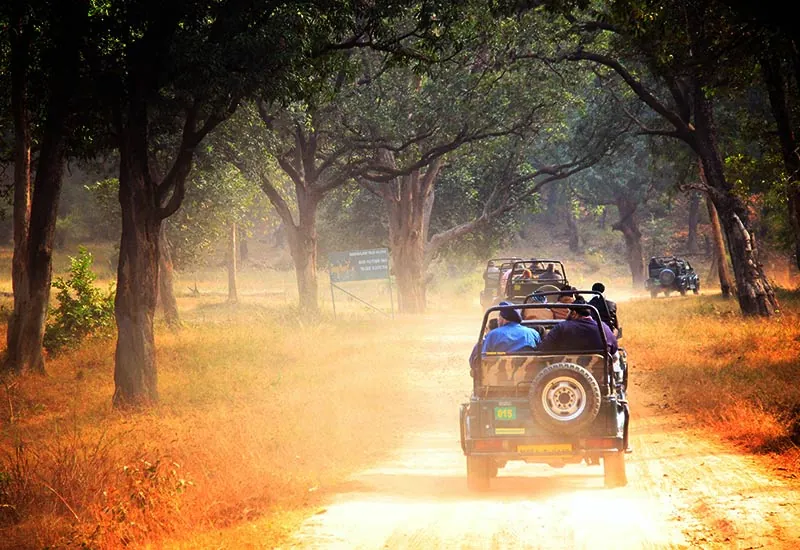
- Among the most exciting things to do in Ranthambore, a guided jeep or canter safari offers opportunities to spot tigers, leopards, deer, and birds.
2. Attend Cultural Festivals
- Participate in local celebrations such as Ganesh Chaturthi, Gangaur, Holi, and Teej to experience Rajasthan's rich traditions and vibrant culture.
3. Visit Dastkar Ranthambore
- Discover handcrafted textiles, pottery, and artisan products created by local women supporting sustainable livelihoods.
4. Explore the Ranthambore School of Art
- Browse wildlife-inspired paintings and conservation-themed artwork created by talented local artists.
5. Photograph Wildlife & Heritage Landscapes
- A memorable addition to any Ranthambore trip, combining dramatic fort architecture, lakes, forests, and incredible wildlife moments.
Top 5 Adventures to Do in Ranthambore
1. Wildlife Spotting at Malik Talao
- Located within the Ranthambore Tiger Reserve, Malik Talao offers excellent opportunities to observe birds, crocodiles, and other wildlife in a peaceful setting.
2. Ranthambore Fort Trek
- A rewarding uphill trek leading to the historic fort, this adventure combines physical activity with fascinating historical exploration and panoramic views of the surrounding landscape.
3. Hot Air Ballooning
- Soar above the forests, villages, and countryside surrounding Ranthambore to witness breathtaking aerial views of Rajasthan's natural beauty.
4. ATV Rides and Adventure Parks
- Visitors seeking adrenaline-filled experiences can enjoy off-road ATV rides, obstacle courses, and various recreational activities at nearby adventure facilities.
5. Village Nature Trails
- Adventure Activities in Ranthambore are not limited to wildlife safaris. Guided nature walks through rural landscapes allow travellers to observe local life, bird species, and traditional farming practices.
FAQs About Ranthambore
1. What Is Ranthambore Famous For?
- Ranthambore is internationally known for its thriving tiger population and extraordinary wildlife experiences.
Some of its biggest highlights include:
• Rich tiger population and wildlife conservation efforts
• Historic Ranthambore Fort and ancient temples
• Scenic lakes, forests, and wildlife habitats
• Birdwatching opportunities throughout the year
• Photography-friendly landscapes and safari experiences
The destination successfully combines wildlife, history, culture, and adventure into a single travel experience.
2. Is Ranthambore Suitable For A Family Vacation?
- Yes. A Ranthambore Trip is suitable for families, nature enthusiasts, photographers, and wildlife lovers. Families can enjoy guided safaris, historical attractions, cultural experiences, and educational wildlife encounters. The destination offers accommodation options ranging from budget stays to luxury jungle resorts, making it suitable for travellers of all ages.
3. How Many Days Are Ideal For Exploring Ranthambore?
- A stay of 2 to 3 days is generally ideal for exploring Ranthambore comfortably. This duration allows visitors to enjoy multiple safaris, explore the fort, visit important attractions, experience local culture, and enjoy the region's natural beauty without rushing through the destination.
4. Which Are The Best Places To Explore In Ranthambore?
- Many visitors search for the best places to visit in Ranthambore before planning their journey.
Some highly recommended attractions include:
• Ranthambore National Park
• Ranthambore Fort
• Trinetra Ganesh Temple
• Padam Talao
• Raj Bagh Ruins
Together, these attractions offer a complete blend of wildlife, history, culture, and scenic beauty.
5. What Local Foods Should Tourists Try In Ranthambore?
- Visitors should not miss traditional Rajasthani cuisine during their stay.
Popular dishes include:
• Dal Baati Churma: Rajasthan's signature dish featuring baked wheat dumplings served with lentils and a sweet churma preparation.
• Gatte Ki Sabzi: Gram flour dumplings cooked in a rich and flavourful yoghurt-based curry.
• Ker Sangri: A traditional desert delicacy made using wild berries and beans native to Rajasthan.
• Laal Maas: A spicy Rajasthani mutton curry prepared with red chillies and aromatic spices.
• Ghewar: A famous festive sweet made from flour, sugar syrup, and often topped with rabri or dry fruits.
• Mawa Kachori: A deep-fried pastry filled with sweetened mawa and nuts, popular across Rajasthan.
Many resorts and local restaurants also serve authentic regional thalis that showcase Rajasthan's rich culinary heritage.
6. What Makes Ranthambore Different From Other Wildlife Destinations?
- Unlike many wildlife reserves, Ranthambore tourist places combine natural wilderness with significant historical heritage. Visitors can witness tigers roaming near ancient ruins, lakes, and centuries-old structures, creating a unique landscape rarely found elsewhere. The coexistence of history, wildlife, and culture makes Ranthambore stand out among India's safari destinations.
7. Is Ranthambore Good For Photography Enthusiasts?
- Absolutely. Wildlife photography in Ranthambore is considered one of the biggest attractions for visitors. The reserve offers opportunities to photograph tigers, leopards, birds, crocodiles, landscapes, lakes, and historic ruins. Morning and evening safaris provide excellent lighting conditions for both amateur and professional photographers.
8. Are Tiger Sightings Guaranteed In Ranthambore?
- No wildlife sighting can ever be guaranteed because animals roam freely in their natural habitat. However, tiger safari in Ranthambore is among the most rewarding wildlife experiences in India due to the reserve's healthy tiger population and well-managed safari zones. Multiple safaris often improve the chances of sightings.
9. Is Ranthambore Good For Birdwatching?
- Yes. Bird Watching in Ranthambore attracts nature lovers throughout the year. The reserve hosts hundreds of resident and migratory bird species, including kingfishers, eagles, owls, storks, herons, parakeets, and numerous water birds. Lakes and wetland areas are particularly popular among birdwatchers.
10. Why Is Ranthambore Important For Wildlife Conservation?
- The Ranthambore Tiger Reserve plays a crucial role in India's conservation efforts. It provides a protected habitat for tigers and numerous other species while supporting ecological balance in the region. Conservation programmes, habitat management, anti-poaching measures, and responsible tourism have helped strengthen wildlife protection and awareness over the years.
Adventure Awaits
Ranthambore Tour Package
₹ 5,999
 4.8
4.8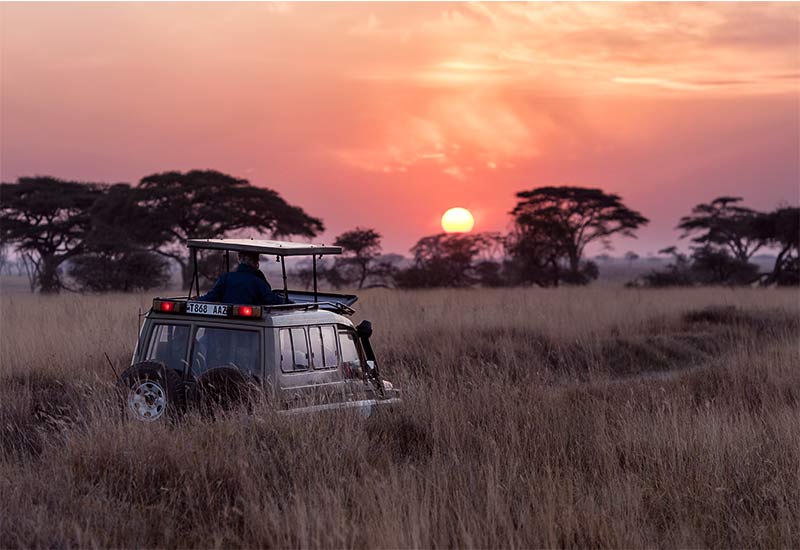
Jungle Safari In Ranthambore
₹ 1,300
4.7
Jeep Safari at Ranthambore National Park
₹ 1,350
4.7
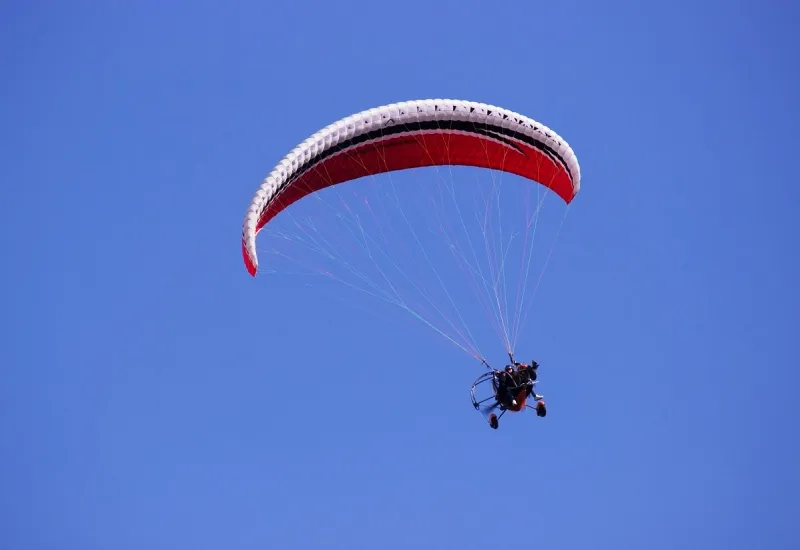
Powered Paragliding in Ranthambore
₹ 3,999
4.7
Hot Air Balloon in Ranthambore
₹ 1,999
4.7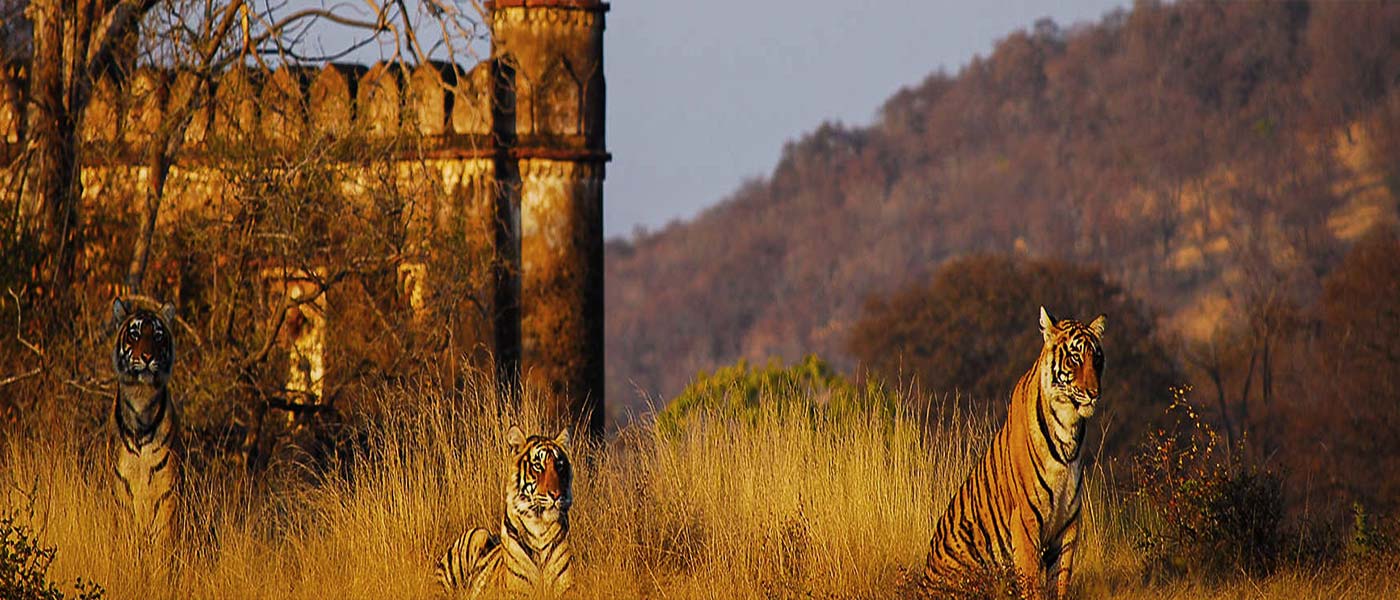
Jaipur Ranthambore Day Tour
₹ 1,599
4.8