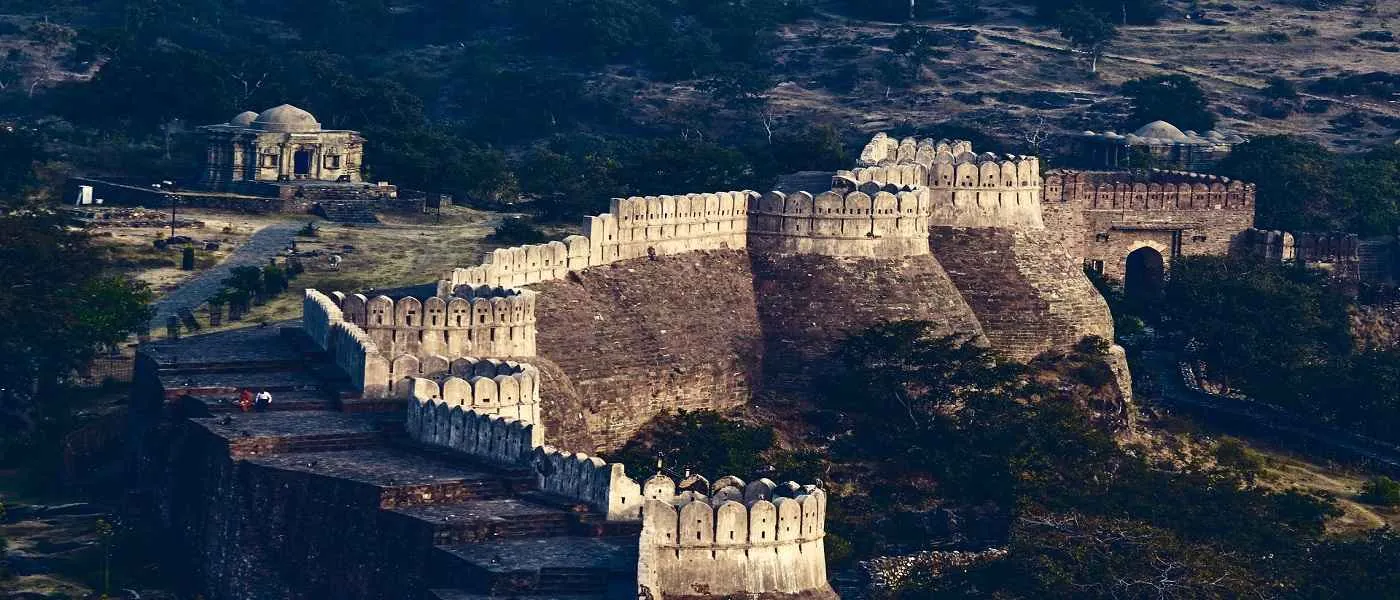

Kumbhalgarh
Explore Kumbhalgarh





Kumbhalgarh Tourism & Travel Guide
Location: Rajsamand District, Rajasthan
Famous For: Kumbhalgarh Fort, Great Wall of India, Kumbhalgarh Wildlife Sanctuary, Badal Mahal, and Rajput heritage
Nickname/Special Tag: The Great Wall of India
Best Time to Visit: October to March
Ideal Duration: 2 to 3 Days
Climate: Semi-Arid
Local Language: Hindi, Mewari, English
About Kumbhalgarh
- What makes Kumbhalgarh one of Rajasthan’s most remarkable heritage destinations?
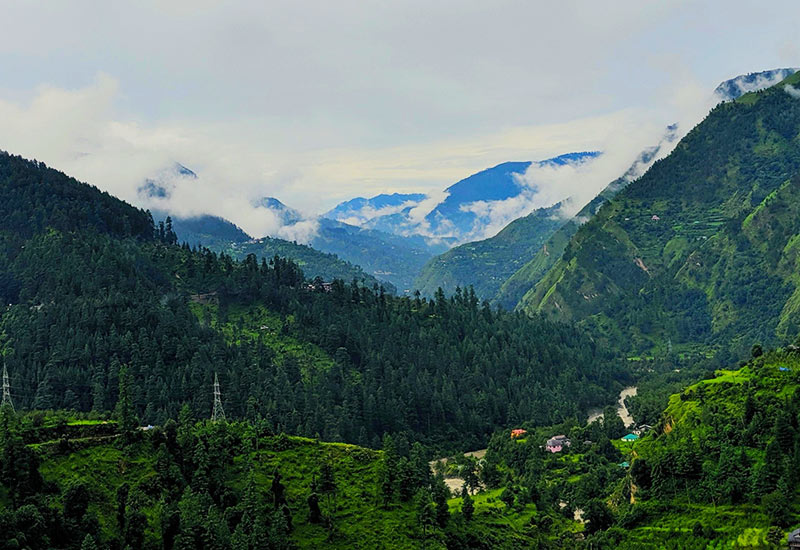
- Rising dramatically from the rugged Aravalli Hills, Kumbhalgarh is a land of mighty fortifications, royal palaces, dense forests, and centuries-old Rajput history. Renowned for the colossal Kumbhalgarh Fort, whose walls stretch over 36 kilometres and rank among the longest in the world, the region attracts travellers seeking iconic places to visit in Kumbhalgarh, including Badal Mahal, Kumbhalgarh Wildlife Sanctuary, and ancient temples within its massive stone ramparts. From sunset views atop fortified battlements to exploring wildlife-rich forest trails, the region blends history, architecture, and natural beauty.
- A well-planned Kumbhalgarh trip can include heritage walks, cultural performances, wildlife excursions, and scenic drives through the Aravallis. Whether exploring Rajasthan’s royal legacy or discovering hidden heritage gems, Kumbhalgarh offers a truly distinctive experience.
History of Kumbhalgarh
- Built in the 15th century by Maharana Kumbha of Mewar, Kumbhalgarh Fort served as a vital stronghold protected by massive walls and rugged terrain. It is also the birthplace of Maharana Pratap and today stands among the finest historical monuments in Rajasthan as part of the UNESCO-listed Hill Forts of Rajasthan.
What Each Season Offers
Summer (March to June)
- Special Highlights: Fort visits, safaris, temples, heritage walks
- Crowd and Atmosphere: Warm days, moderate tourist activity
- Travel Essentials: Light cotton clothing, sunscreen, hats, water bottles
- Budget Requirements: Affordable accommodation rates
Monsoon (July to September)
- Special Highlights: Green landscapes, birdwatching, scenic drives, photography
- Crowd and Atmosphere: Refreshing weather, fewer crowds, green surroundings
- Travel Essentials: Raincoat, umbrella, waterproof footwear
- Budget Requirements: Moderate hotel prices
Winter (October to February)
- Special Highlights: Fort sightseeing, safaris, cultural experiences, light shows
- Crowd and Atmosphere: Pleasant weather, peak tourist season
- Travel Essentials: Light woollens, comfortable walking shoes, jackets for evenings
- Budget Requirements: Moderate to higher travel expenses during peak season
How to Reach
- By Air: Maharana Pratap Airport in Udaipur, approximately 85 kilometres away, is the nearest airport with regular flights connecting major Indian cities.
- By Train: Falna Railway Station and Udaipur City Railway Station provide convenient rail access to Kumbhalgarh from Delhi, Jaipur, Ahmedabad, and Mumbai.
- By Road: Well-maintained highways connect Kumbhalgarh with Udaipur, Mount Abu, Jodhpur, and Jaipur, making road travel the most popular option for visitors.
Festivals of Kumbhalgarh
1. Kumbhalgarh Festival
- Held annually against the magnificent backdrop of Kumbhalgarh Fort, this cultural celebration showcases traditional Rajasthani folk dances, music performances, puppet shows, and heritage arts, making it one of the highlights of Kumbhalgarh Rajasthan.
2. Mahashivratri
- Celebrated at the historic Neelkanth Mahadev Temple within Kumbhalgarh Fort, Mahashivratri features special prayers, Jalabhishek rituals, and devotional bhajan and kirtan sessions, attracting devotees from across the region.
3. Gangaur
- Dedicated to Goddess Gauri, Gangaur is celebrated with decorated idols, traditional songs, cultural gatherings, and religious rituals, drawing communities together in one of Rajasthan’s most cherished festive occasions.
4. Holi
- Holi brings Kumbhalgarh alive with vibrant colours, festive gatherings, folk performances, and joyful celebrations, creating an energetic atmosphere that attracts both residents and visitors from across the region.
5. Diwali
- Thousands of lamps illuminate homes, temples, and heritage structures during Diwali, transforming Kumbhalgarh Rajasthan into a dazzling spectacle while celebrating prosperity, tradition, and community spirit throughout the region.
Top 5 Places to Visit in Kumbhalgarh
1. Kumbhalgarh Fort
- A UNESCO-listed hill fort built by Maharana Kumbha in the 15th century, Kumbhalgarh Fort is famed for its 36-kilometre defensive wall and stands as the most iconic among all places to visit in Kumbhalgarh.
2. Badal Mahal
- Perched at the highest point within the fort complex, Badal Mahal showcases colourful interiors, elegant Rajput architecture, and sweeping views across the Aravalli Hills, making it one of the best Kumbhalgarh places to visit.
3. Kumbhalgarh Wildlife Sanctuary
- Spread across the rugged Aravalli landscape, this protected sanctuary shelters leopards, wolves, antelopes, and diverse birdlife, offering visitors a refreshing blend of wilderness, biodiversity, and scenic natural surroundings.
4. Vedi Temple
- Built by Maharana Kumbha within the fort premises, this beautifully carved Jain temple structure reflects remarkable craftsmanship and adds another fascinating layer to Rajasthan’s architectural heritage.
5. Neelkanth Mahadev Temple
- Dedicated to Lord Shiva, this ancient temple houses a massive black stone lingam and features intricately carved pillars, making it one of the most significant historical monuments in Rajasthan.
Top 5 Things to Do in Kumbhalgarh
1. Walk Along the Great Wall of India
- Traversing sections of Kumbhalgarh Fort’s colossal defensive wall while admiring the surrounding Aravalli landscapes is among the most memorable things to do in Kumbhalgarh for history enthusiasts and photographers.
2. Attend the Evening Light and Sound Show
- Experiencing the fort’s history through dramatic illumination, narration, and music offers visitors an engaging introduction to the legacy of Mewar’s rulers and Kumbhalgarh’s strategic importance.
3. Explore Hidden Temples Inside the Fort
- Discovering centuries-old shrines scattered throughout the fort complex reveals remarkable architectural details and lesser-known stories that enrich every Kumbhalgarh trip beyond the main palace attractions.
4. Enjoy Traditional Rajasthani Cultural Performances
- Watching folk dances, puppet shows, and local music performances provides an authentic glimpse into Rajasthan’s artistic traditions while adding cultural depth to a Kumbhalgarh tour package.
5. Capture Sunset Views from the Ramparts
- Watching the sun descend beyond the Aravalli ridges from Kumbhalgarh's elevated fortifications is one of the most rewarding Kumbhalgarh things to do for visitors.
Top 5 Adventures to Do in Kumbhalgarh
1. Wildlife Safari Through Kumbhalgarh Sanctuary
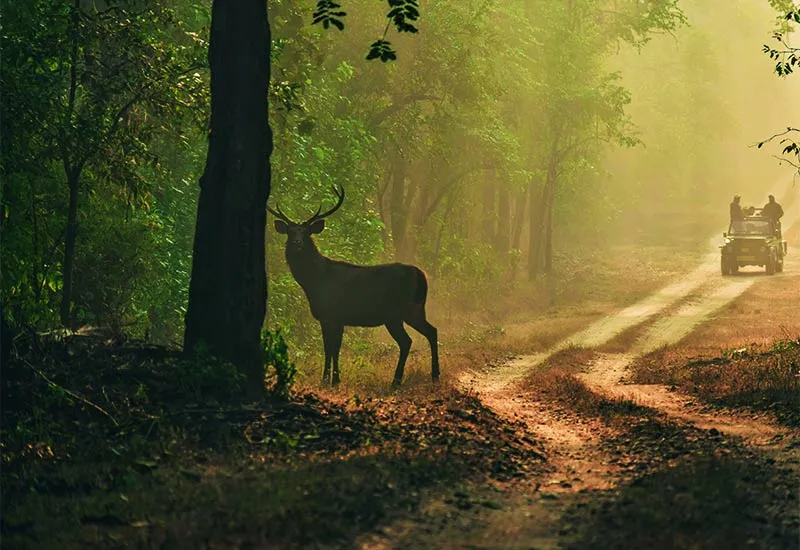
- Exploring forest tracks in search of leopards, wolves, hyenas, and antelope species offers an exciting Kumbhalgarh jungle safari amid the rugged landscapes of the Aravalli range.
2. Birdwatching Around the Sanctuary
- Spotting hornbills, peafowl, parakeets, vultures, and numerous migratory species across forested habitats makes birdwatching in Kumbhalgarh a rewarding activity for nature lovers and wildlife photographers.
3. Ziplining Near Kumbhalgarh
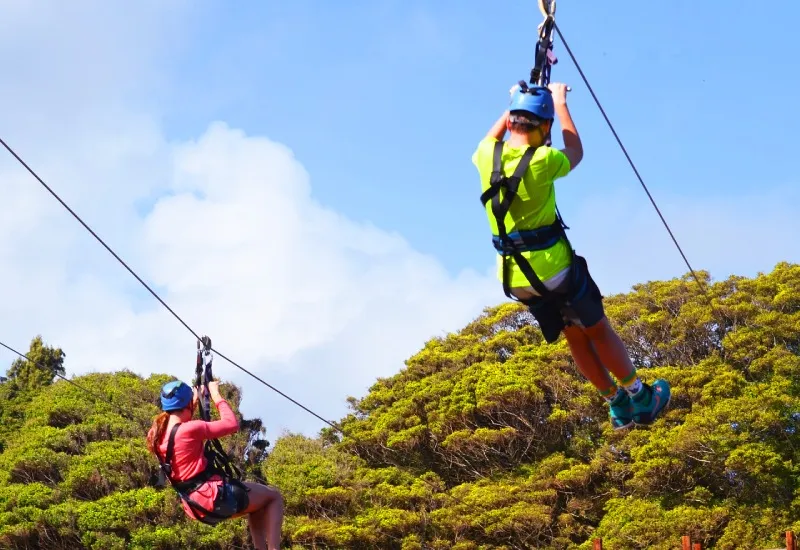
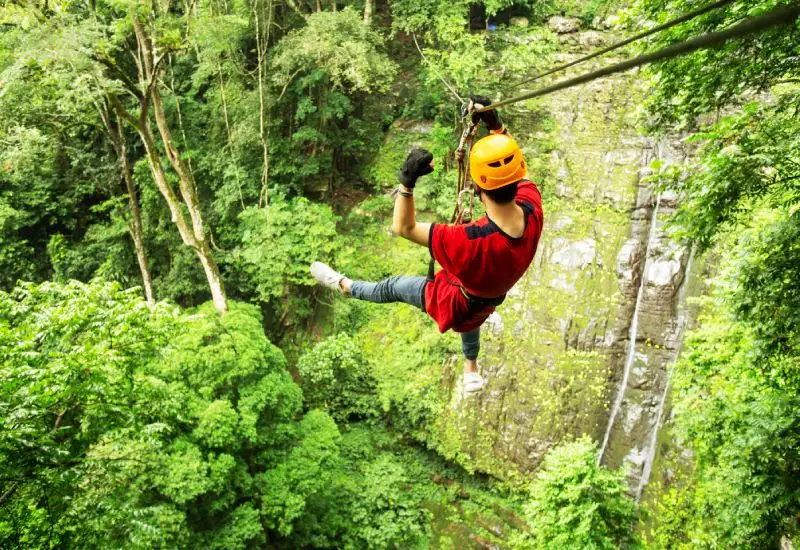
- Soar above lush valleys and rocky landscapes on an exhilarating zipline adventure, enjoying panoramic views and an adrenaline-filled outdoor experience.
4. Cycling Through the Aravalli Countryside
- Riding scenic rural routes past villages, hills, temples, and agricultural landscapes provides an active way to explore one of the lesser-known offbeat destinations in Rajasthan.
5. Camping Near the Aravalli Forests
- Spending a night beneath clear skies surrounded by wilderness and rugged hill scenery offers a peaceful outdoor escape while experiencing a different side of Kumbhalgarh attractions.
FAQs
1. Which Are the Most Popular Places to Visit in Kumbhalgarh?
- These are the most celebrated Kumbhalgarh visiting places, offering a fascinating combination of Rajput history, architecture, spirituality, and natural beauty.
• Kumbhalgarh Fort: UNESCO-listed fortress featuring the world’s second-longest continuous wall.
• Badal Mahal: Palace known for colourful interiors and panoramic Aravalli views.
• Kumbhalgarh Wildlife Sanctuary: Protected forest home to leopards, wolves, and diverse birdlife.
• Neelkanth Mahadev Temple: Ancient Shiva temple with a massive stone lingam.
• Vedi Temple: Historic temple showcasing impressive Rajput-era craftsmanship.
2. What is the Best Time to Visit Kumbhalgarh?
- The best time to visit Kumbhalgarh is from October to March when pleasant weather makes fort exploration, wildlife excursions, heritage walks, and sightseeing comfortable throughout the day. Winter also coincides with cultural events and offers excellent visibility across the Aravalli Hills.
- Monsoon transforms the surrounding landscape into a lush green paradise, making Kumbhalgarh sightseeing particularly attractive for nature lovers and photographers. Summers remain suitable for early morning and evening exploration despite warmer daytime temperatures.
3. What Food is Famous in Kumbhalgarh?
- Kumbhalgarh’s cuisine reflects the rich culinary traditions of Rajasthan, featuring robust flavours, local ingredients, and time-honoured recipes.
• Dal Baati Churma: Rajasthan’s signature meal of baked wheat dumplings, lentils, and sweet churma.
• Laal Maas: Fiery mutton curry prepared with traditional Rajasthani spices and red chillies.
• Gatte ki Sabzi: Gram flour dumplings cooked in a rich yoghurt-based gravy.
• Ker Sangri: Traditional desert vegetable preparation unique to Rajasthan.
• Malpua: Popular festive sweet enjoyed throughout the Mewar region.
4. What Are the Best Day Trips from Kumbhalgarh?
- Kumbhalgarh’s location in the Aravalli region makes it an excellent base for exploring nearby heritage towns and natural attractions.
• Ranakpur Jain Temple: Magnificent marble temple complex approximately 50 kilometres away.
• Udaipur: The City of Lakes, located around 85 kilometres from Kumbhalgarh.
• Haldighati: Historic battlefield associated with Maharana Pratap, approximately 45 kilometres away.
• Rajsamand Lake: Scenic artificial lake known for its marble embankments and peaceful surroundings.
5. How Many Days Are Enough for a Kumbhalgarh Trip?
- A 2 to 3-day Kumbhalgarh trip allows visitors to comfortably explore the fort complex, Badal Mahal, temples, wildlife sanctuary, and surrounding attractions. Two days cover the major monuments, while an additional day provides time for safaris, birdwatching, and nearby excursions.
6. What Are Some Popular Stay Options in Kumbhalgarh for Budget and Luxury Travellers?
- Kumbhalgarh offers everything from budget hotels and countryside retreats to premium heritage resorts suitable for every travel style and Kumbhalgarh tour package.
Budget Stay Options (Approx Price Per Night)
• Hotel Kumbhal Palace — ₹2,500 to ₹4,500
• The Jaigarh Palace— ₹1,000 to ₹2,500
• Kumbhal Castle Resort — ₹2,200 to ₹4,000
• The Lal Bagh Resort — ₹1,900 to ₹4,500
Luxury Stay Options (Approx Price Per Night)
• The Aodhi by HRH Group — ₹4,200 to ₹7,500
• Fateh Safari Suites — ₹5,500 to ₹10,000
• Club Mahindra Kumbhalgarh — ₹6,300 to ₹12,000
• Mahua Bagh Resort — ₹6,500 to ₹15,000
7. What Makes Kumbhalgarh Unique for Tourism?
- Kumbhalgarh stands apart as one of Rajasthan’s most extraordinary heritage destinations, where monumental fortifications, royal history, wildlife habitats, and mountain landscapes coexist within a single region.
Highlights that make Kumbhalgarh unique:
• Home to Kumbhalgarh Fort, one of the finest historical monuments in Rajasthan
• Features a 36-kilometre defensive wall often called the Great Wall of India
• Birthplace of Maharana Pratap, the legendary ruler of Mewar
• UNESCO World Heritage Site included among the Hill Forts of Rajasthan
• Rich opportunities for birdwatching and wildlife exploration
• Popular destination for jungle safari experiences within the Aravalli forests
• Among the most rewarding offbeat destinations in Rajasthan for heritage enthusiasts
Together, these qualities make Kumbhalgarh a compelling destination for history lovers, photographers, wildlife enthusiasts, cultural explorers, families, and travellers seeking a distinctive blend of heritage and nature in Rajasthan.
Adventure Awaits
Zipline in Kumbalgarh, Rajasthan
₹ 500
 4.7
4.7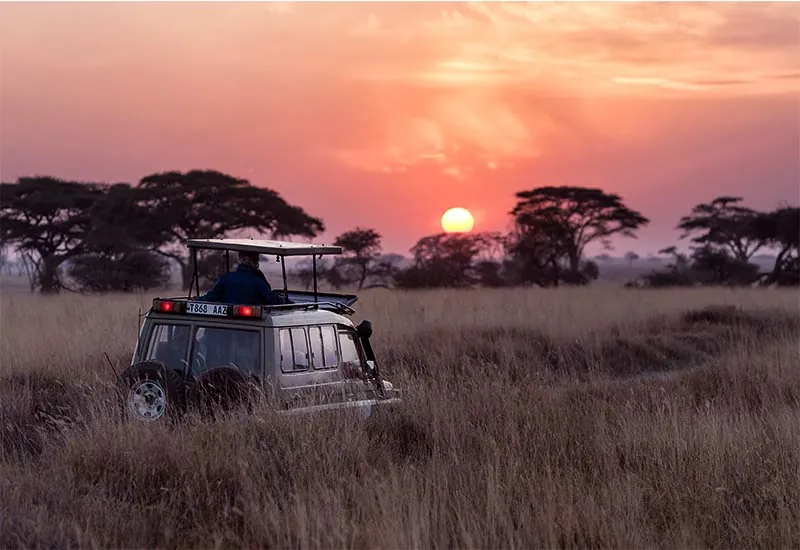
Kumbhalgarh Tour Package
₹ 14,999
4.6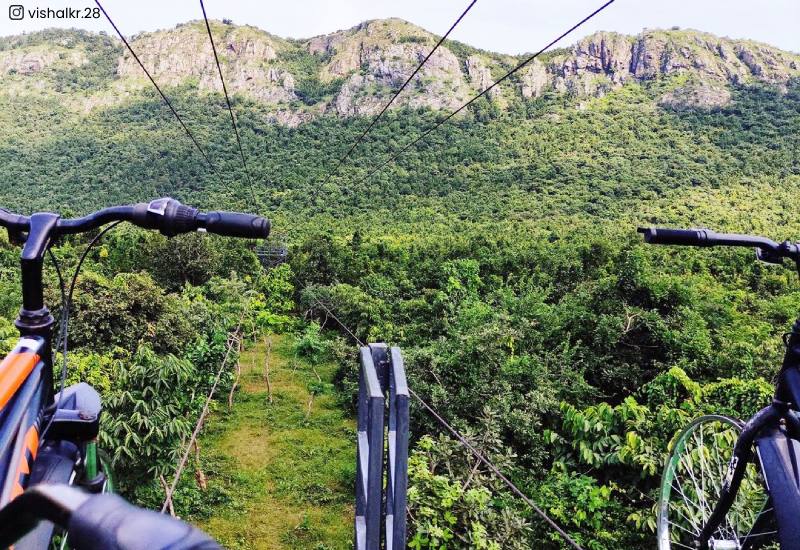
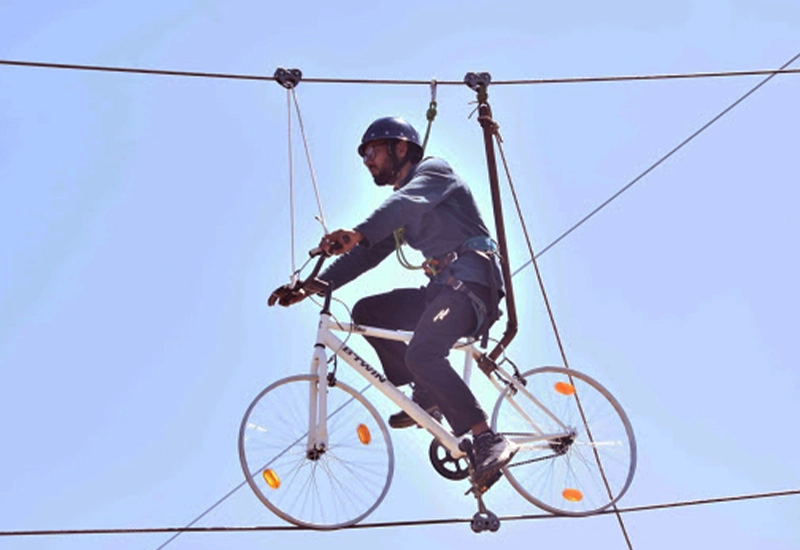
Sky Cycling in Kumbhalgarh
₹ 415
4.7
Target Shooting in Kumbalgarh
₹ 250
4.7
Jeep Safari in Kumbhalgarh Wildlife Sanctuary
₹ 5,499
4.6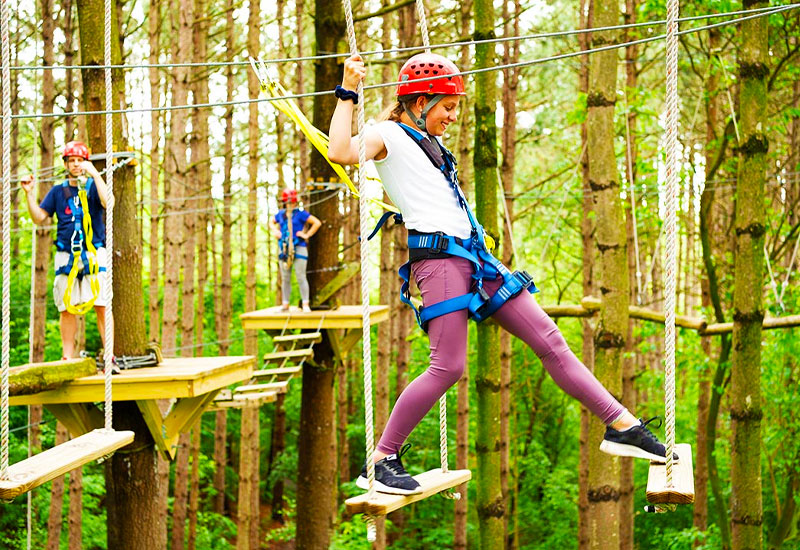
Rope Course in Kumbhalgarh
₹ 350
4.9
Rappelling in Kumbhalgarh
₹ 415
4.5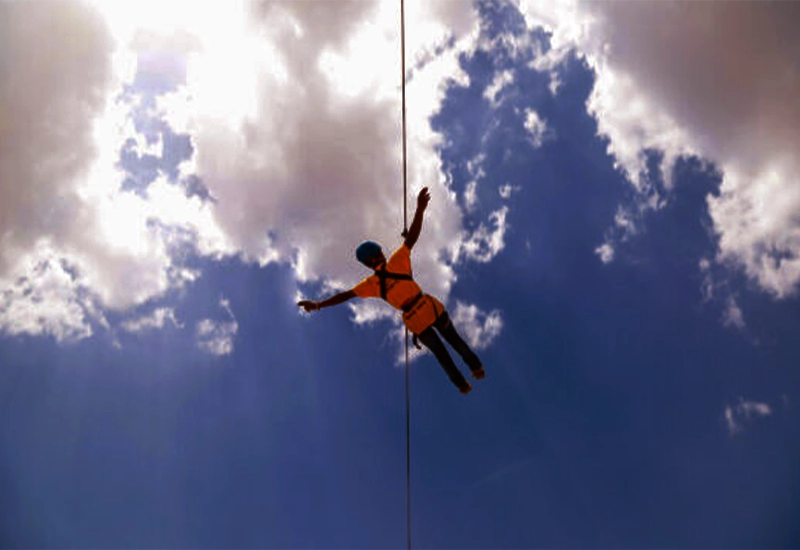
Valley Crossing in Kumbalgarh, Rajasthan
₹ 250
4.7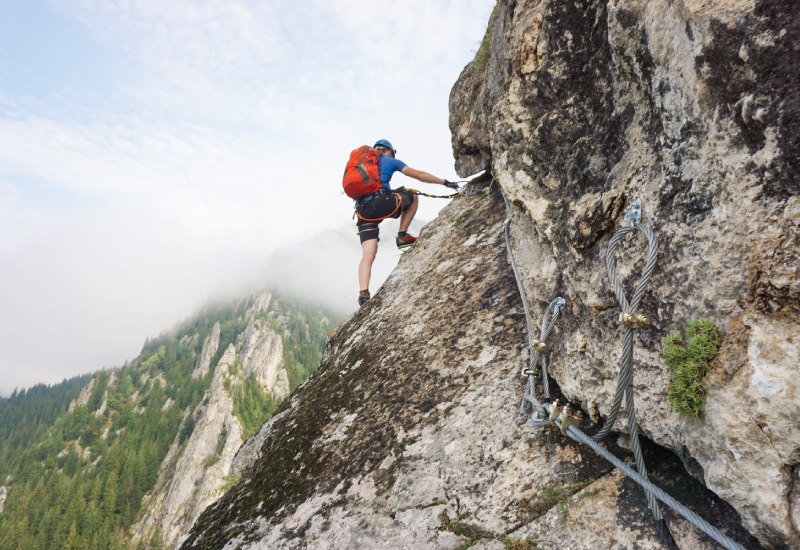
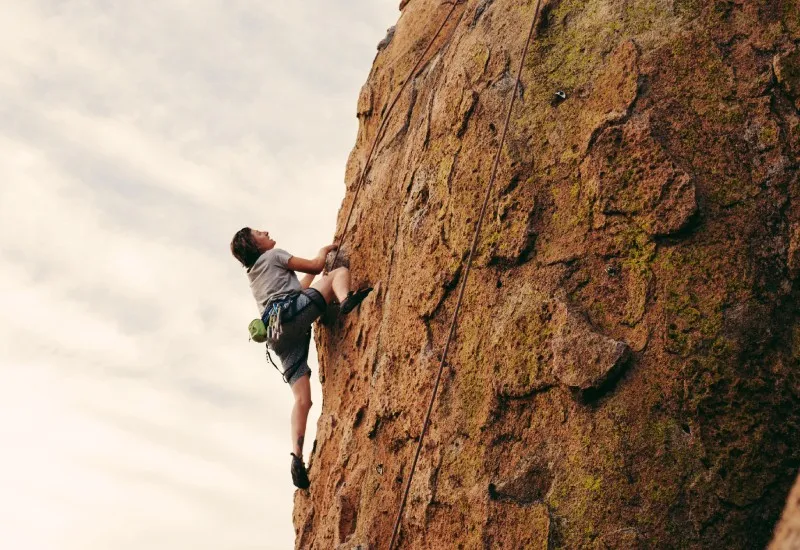
Rock Climbing in Kumbhalgarh
₹ 420
4.7
Archery in Kumbhalgarh
₹ 299
4.7