


Satara
Explore Satara





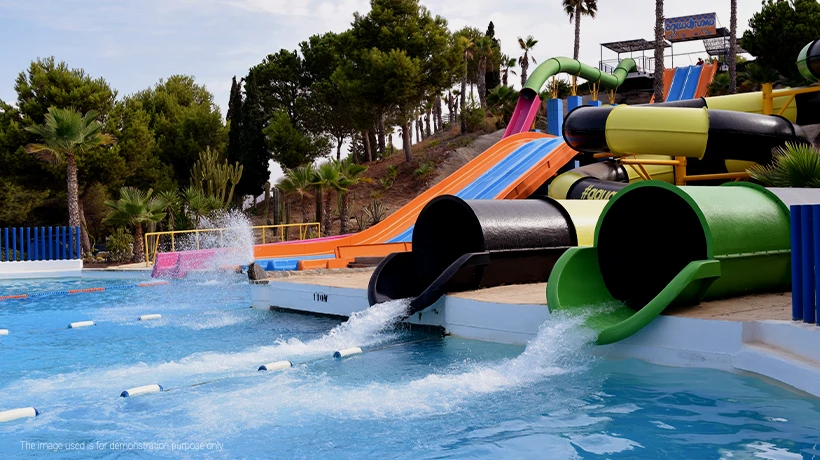
Satara Tourism & Travel Guide
Location: Western Maharashtra, Sahyadri Range
Famous For: Kaas Plateau, Thoseghar Waterfalls, Sajjangad Fort, Ajinkyatara Fort, and Koyna Wildlife Sanctuary
Nickname/Special Tag: Land of Forts and Waterfalls
Best Time to Visit: August to February
Ideal Duration: 2 to 3 Days
Climate: Tropical Monsoon
Local Language: Marathi, Hindi, English
About Satara
What makes Satara one of the most scenic destinations in Maharashtra?
- Amidst the rugged Sahyadri Mountains where rivers Krishna and Venna originate, Satara combines Maratha heritage, hill forts, flower-covered plateaus, and spectacular waterfalls into one unforgettable destination. Some of the iconic places to visit in Satara include the UNESCO-recognised Kaas Plateau, the majestic Ajinkyatara Fort, and the dramatic Thoseghar Waterfalls that plunge into deep green valleys during the monsoon season. From historic forts and serene temples to wildlife reserves and scenic mountain drives, Satara attractions offer a perfect blend of nature, history, and adventure.
- A well-planned Satara tour package can include heritage exploration, trekking, waterfall visits, nature photography, and nearby hill stations. Whether planning a family trip, a weekend escape, or a nature-focused itinerary, the district promises rewarding experiences for travellers of every age and interest.
History of Satara
- Satara derives its name from the seven forts surrounding the region and became the capital of the Maratha Empire under Chhatrapati Shahu Maharaj in the early 18th century. The district played a significant role in Maratha history and later emerged as an important administrative centre during British rule. Today, Satara preserves its rich legacy through forts, temples, and cultural traditions spread across the Sahyadri landscape.
What Each Season Offers
Summer (March to June)
- Special Highlights: Fort Exploration, Hill Drives
- Crowd and Atmosphere: Warm Weather, Moderate Visitors
- Travel Essentials: Light Clothing, Sunscreen, Water Bottles
- Budget Requirements: Affordable Accommodation Rates
Monsoon (July to September)
- Special Highlights: Kaas Plateau Bloom, Thoseghar Waterfalls
- Crowd and Atmosphere: Peak Nature Season, Scenic Landscapes
- Travel Essentials: Raincoat, Waterproof Footwear, Umbrella
- Budget Requirements: Moderate Hotel Prices
Winter (October to February)
- Special Highlights: Sightseeing, Trekking, Camping
- Crowd and Atmosphere: Pleasant Weather, Comfortable Travel
- Travel Essentials: Light Jackets, Trekking Shoes
- Budget Requirements: Moderate Travel Expenses
How to Reach
By Air
- Pune International Airport, approximately 120 kilometres away, is the nearest major airport and offers excellent connectivity with major Indian cities.
By Train
- Satara Railway Station lies on the Pune-Miraj route and is connected with Mumbai, Pune, Kolhapur, Bengaluru, and several other important destinations.
By Road
- National Highway 48 connects Satara with Pune, Mumbai, Kolhapur, and Bengaluru, making road travel the most convenient option for a one-day trip in Satara or a weekend getaway.
Festivals of Satara
1. Kaas Flower Festival
- Held during the monsoon bloom season, this festival celebrates the spectacular flowering of the UNESCO-listed Kaas Plateau and attracts botanists, photographers, and nature enthusiasts from across India, making it one of the most unique Satara Attractions.
2. Shiv Jayanti
- Celebrated with grand processions, cultural programmes, traditional performances, and historical tributes, Shiv Jayanti honours Chhatrapati Shivaji Maharaj while showcasing Satara’s rich Maratha legacy, community pride, and enduring historical significance across the district.
3. Ganesh Chaturthi
- Ganesh Chaturthi fills Satara tourist places with devotional celebrations, colourful decorations, community gatherings, cultural performances, and beautifully adorned pandals, creating a vibrant festive atmosphere that brings together residents and visitors throughout the district.
4. Dussehra
- Marked by religious ceremonies, traditional fairs, cultural events, and community celebrations, Dussehra remains one of the most widely observed festivals across Satara, with many devotees visiting famous Satara temples during the celebrations.
5. Krishna River Festival
- Celebrated along the banks of the Krishna River, this festival combines religious rituals, folk performances, cultural programmes, and community gatherings, highlighting the historical, spiritual, and cultural importance of Maharashtra’s sacred river.
Top 5 Places to Visit in Satara
1. Kaas Plateau
- Known as Maharashtra’s Valley of Flowers, this UNESCO-recognised biodiversity hotspot bursts into colour with hundreds of seasonal wildflower species every monsoon, making it the most famous among all the top places to visit in Satara.
2. Thoseghar Waterfalls
- Dropping dramatically from heights exceeding 500 metres during the monsoon season, Thoseghar Waterfalls offers breathtaking valley panoramas, mist-covered landscapes, and spectacular natural beauty, ranking among the finest Satara places to visit.
3. Ajinkyatara Fort
- Standing proudly above Satara city at approximately 3,300 feet, this historic Maratha fort rewards visitors with panoramic Sahyadri views while preserving centuries of military heritage and regional historical significance.
4. Sajjangad Fort
- The final resting place of Saint Samarth Ramdas, Sajjangad Fort combines spiritual significance, scenic mountain surroundings, and historical importance, creating one of the most rewarding cultural and religious destinations near Satara.
5. Koyna Wildlife Sanctuary
- Home to leopards, gaurs, deer, and numerous bird species, this protected Western Ghats sanctuary offers dense forests, rich biodiversity, and remarkable wildlife experiences for nature enthusiasts and conservation-minded travellers.
Top 5 Things to Do in Satara
1. Explore Vajrai Waterfall
- Witness Vajrai Waterfall, one of India’s tallest waterfalls, cascading down multiple tiers amid dense greenery and creating a magnificent spectacle during the monsoon season.
2. Watch Sunrise from Ajinkyatara Fort
- Reaching Ajinkyatara Fort before dawn to witness the sunrise illuminating Satara city, distant reservoirs, and the Sahyadri ranges creates one of the most rewarding and finest Satara tourist places experiences.
3. Taste Authentic Maharashtrian Cuisine
- Sampling local delicacies such as Pithla Bhakri, Misal Pav, Bharli Vangi, and traditional sweets at local eateries offers an authentic introduction to Satara’s rich culinary heritage and culture.
4. Attend Evening Prayers at Sajjangad
- Participating in devotional prayers and spiritual gatherings at Sajjangad Fort while experiencing its peaceful hilltop atmosphere provides a deeply meaningful cultural experience beyond conventional sightseeing activities.
5. Take a Scenic Drive Through Koyna Backwaters
- Driving through winding roads overlooking the Koyna backwaters, forested valleys, and rolling Sahyadri landscapes offers a relaxing escape and is among the best things to do in Satara.
Top 5 Adventures to Do in Satara
1. Trekking Across Kaas Plateau Trails
- Exploring scenic trails across the Kaas Plateau through seasonal wildflower fields, rolling hills, and biodiverse landscapes is among the finest adventure activities in Satara for outdoor enthusiasts and trekkers.
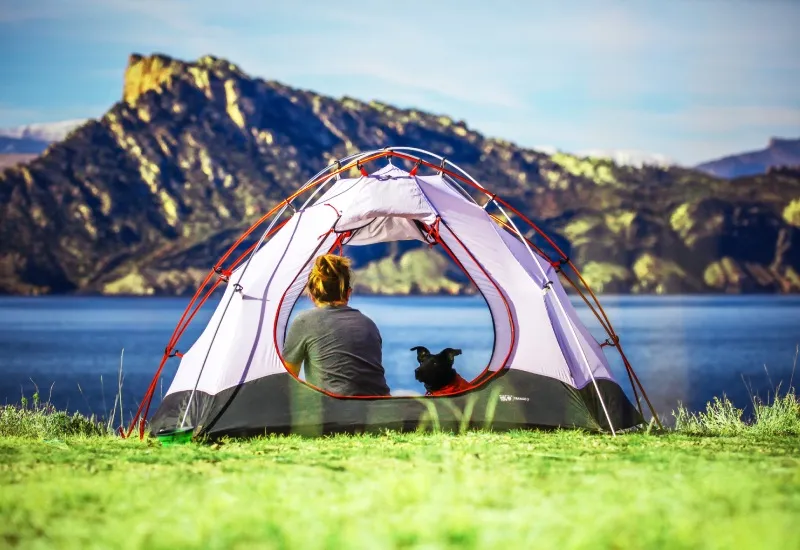
2. Camping Near Kaas Lake
- Spending a night beside the tranquil waters of Kaas Lake beneath star-filled skies and surrounded by Sahyadri landscapes creates one of the most memorable outdoor experiences near Satara.
3. Koyna Wildlife Exploration
- Guided forest excursions through the Koyna Wildlife Sanctuary offer exciting opportunities to observe native wildlife, discover Western Ghats biodiversity, and experience the district’s most remarkable natural landscapes.
4. Mountain Biking Through Sahyadri Roads
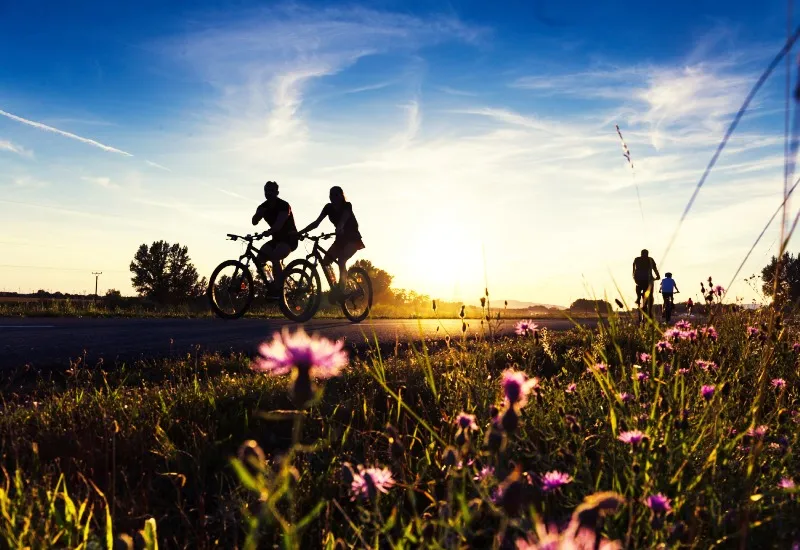
- Cycling along winding countryside routes past forests, villages, reservoirs, and elevated viewpoints provides an energetic adventure while showcasing the spectacular scenery that surrounds Satara throughout the year.
5. Trek to Vasota Fort
- Reaching the remote Vasota Fort through dense forest trails within the Koyna region delivers one of the best Satara picnic spot adventure experiences, combining wilderness exploration, history, and breathtaking viewpoints.
FAQs
1. Which Are the Top Places to Visit in Satara?
- Kaas Plateau, Thoseghar Waterfalls, Ajinkyatara Fort, Sajjangad Fort, and Koyna Wildlife Sanctuary are the most popular Satara tourist places.
- Kaas Plateau: UNESCO-recognised seasonal wildflower plateau.
- Thoseghar Waterfalls: Spectacular monsoon waterfall destination.
- Ajinkyatara Fort: Historic Maratha hill fort overlooking Satara.
- Sajjangad Fort: Spiritual centre associated with Samarth Ramdas.
- Koyna Wildlife Sanctuary: Biodiverse Western Ghats forest reserve.
2. What is the Best Time to Visit Satara?
- The best time to visit Satara is from August to February. Monsoon months bring blooming flowers at Kaas Plateau and dramatic waterfalls, while winter offers pleasant weather for sightseeing, trekking, and outdoor activities.
3. What Food is Famous in Satara?
- Satara’s cuisine reflects traditional Maharashtrian flavours and local specialties:
- Kandi Pedha: Satara’s most famous sweet delicacy.
- Misal Pav: Spicy curry topped with farsan and served with bread.
- Pithla Bhakri: Traditional rural Maharashtrian comfort food.
- Vada Pav: Popular street-food snack available across the district.
- Puran Poli: Sweet festive flatbread enjoyed during celebrations.
4. What Are the Best Day Trips from Satara?
- Several Satara famous places and nearby regions can be explored on a one day trip:
- Mahabaleshwar: Hill station approximately 55 kilometres away.
- Panchgani: Scenic mountain destination known for viewpoints.
- Koyna Dam: One of India’s largest hydroelectric projects.
- Vasota Fort: Popular trekking destination inside forested landscapes.
5. How Many Days Are Enough for Satara Sightseeing?
- A 2 to 3-day itinerary is ideal for Satara Sightseeing. Two days cover Kaas Plateau, Thoseghar Waterfalls, Ajinkyatara Fort, and Sajjangad Fort. A third day allows exploration of Koyna Wildlife Sanctuary or nearby hill stations.
6. What Are Some Popular Stay Options in Satara for Budget and Luxury Travellers?
- Satara offers comfortable accommodation for all budgets.
Budget Stay Options (Approx Price Per Night)
- Hotel Maratha Palace — ₹1,500 to ₹3,000
- Hotel Radhika Palace — ₹1,200 to ₹2,800
- Hotel Pankaj Executive — ₹1,800 to ₹3,500
- Treebo Trend City Inn — ₹1,500 to ₹3,000
Luxury Stay Options (Approx Price Per Night)
- Courtyard by Marriott Mahabaleshwar (Nearby) — ₹10,000 to ₹20,000
- Le Meridien Mahabaleshwar Resort & Spa — ₹9,000 to ₹18,000
- Brightland Resort & Spa — ₹7,000 to ₹15,000
- Bella Vista Resort — ₹6,000 to ₹12,000
7. What Makes Satara Unique for Tourism?
- Satara stands out as a destination where Maratha history, UNESCO-recognised biodiversity, waterfalls, wildlife, and mountain landscapes come together in one region.
Highlights that make Satara unique:
- UNESCO-listed Kaas Plateau, Maharashtra’s Valley of Flowers
- Historic Maratha forts, including Ajinkyatara and Sajjangad
- Spectacular monsoon waterfalls such as Thoseghar
- Origin region of the Krishna River
- Rich biodiversity of the Western Ghats
- Excellent trekking and outdoor recreation opportunities
- Ideal destination for a Satara Family Trip and weekend getaway
Together, these qualities make Satara a complete travel destination for nature lovers, trekkers, photographers, families, and travellers seeking one of Maharashtra’s most scenic and culturally significant regions.
Adventure Awaits

Zipline in Panchgani
₹ 600
 4.8
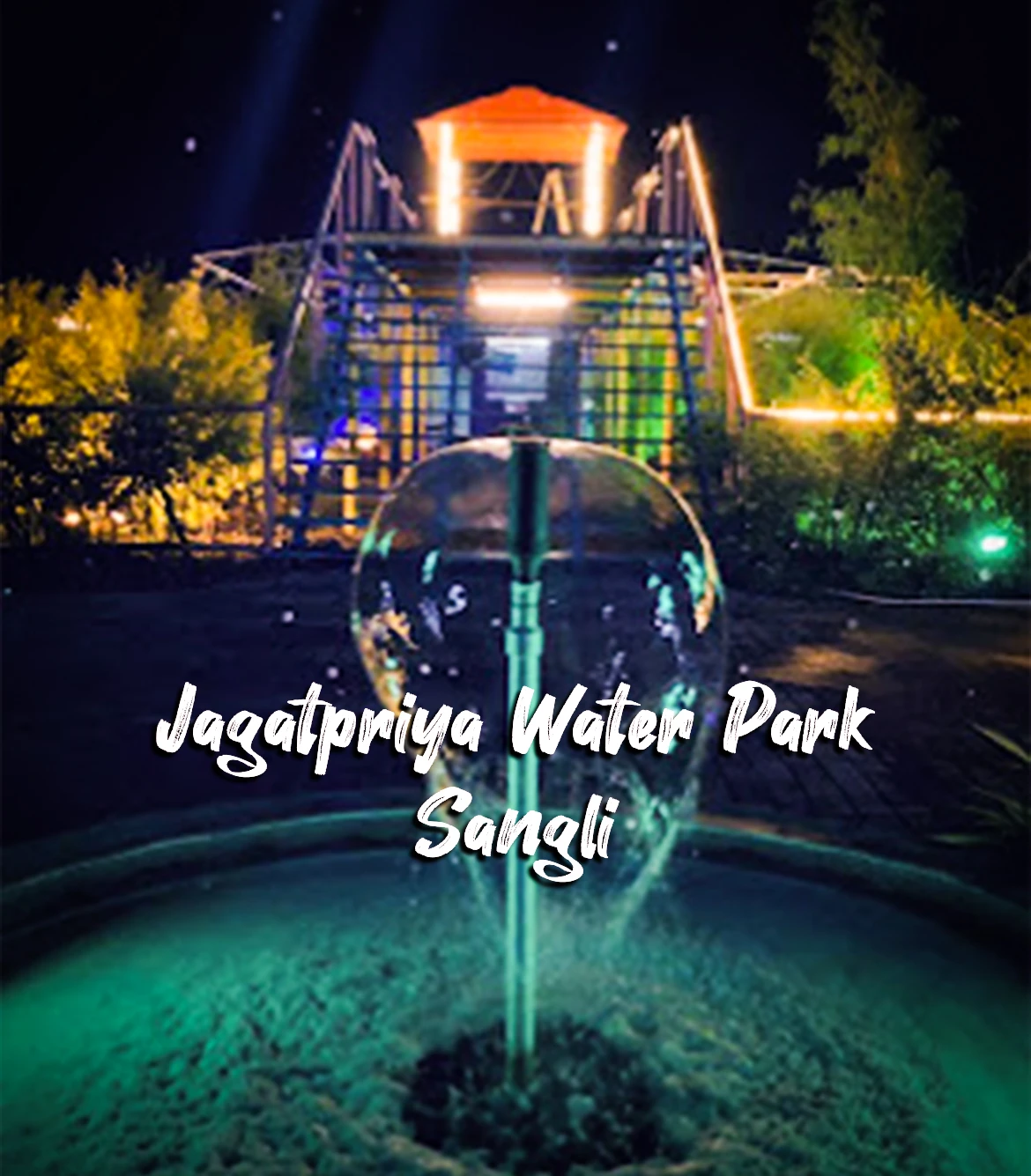
Jagatpriya Water Park Sangli
₹ 499
4.5
Speed Boat Ride in Wai, Satara
₹ 200
4.7
Jeep Safari in Panchgani
₹ 4,200
4.9
Powered Paragliding in Mahabaleshwar
₹ 2,499
4.7
Paragliding in Panchgani, Maharashtra
₹ 3,199
4.7
Kayaking in Wai, Satara
₹ 500
4.5
Go Karting in Panchgani, Maharashtra
₹ 375
4.8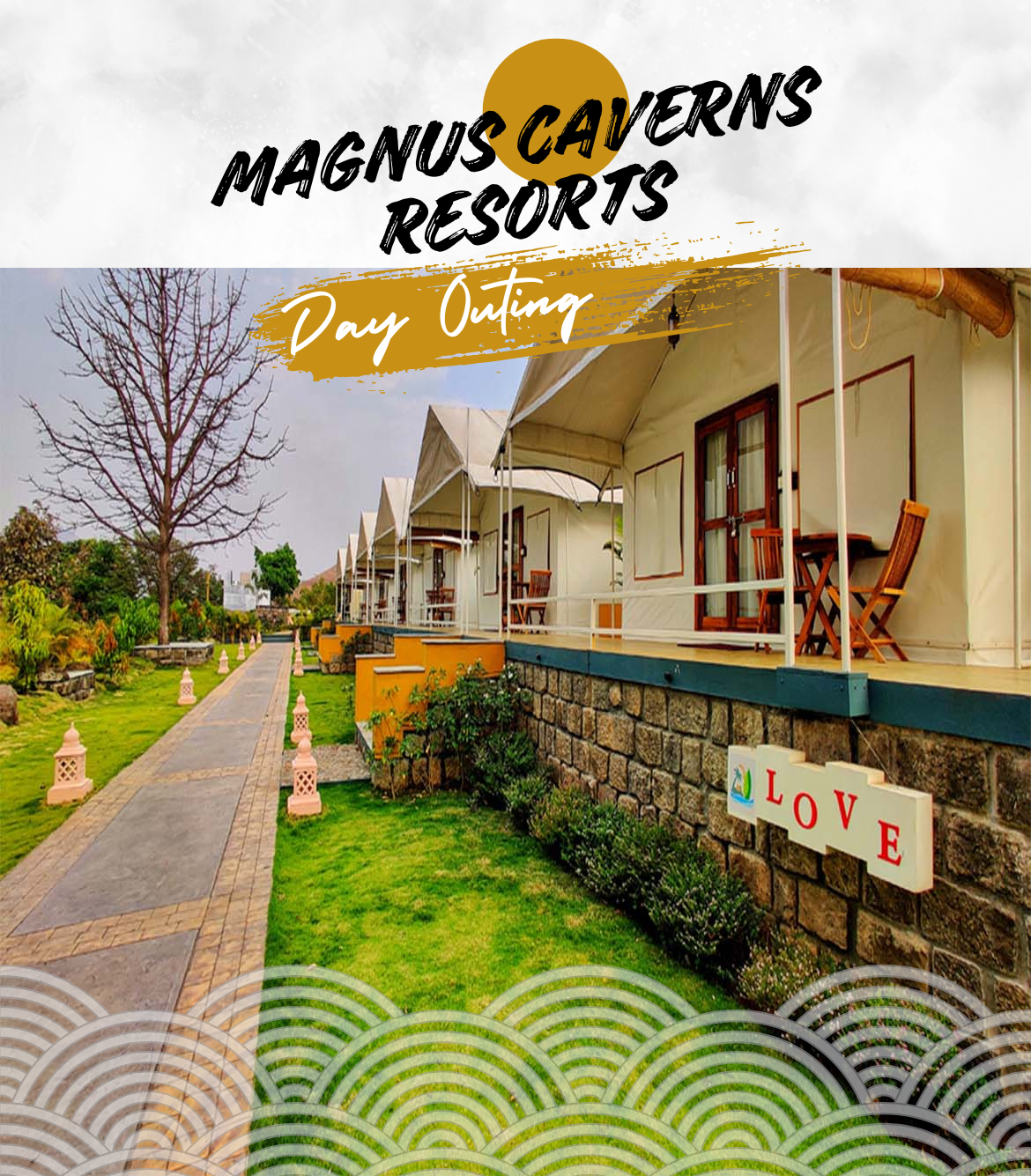
Day Outing Magnus Caverns Resorts Wai
₹ 1,499
4.9Day Outing Magnus Caverns Resorts Wai
₹ 1,499
4.9
Cycle Tour in Panchgani
₹ 1,500
4.8
Camping And Adventure Activities Near Wai
₹ 1,800
4.7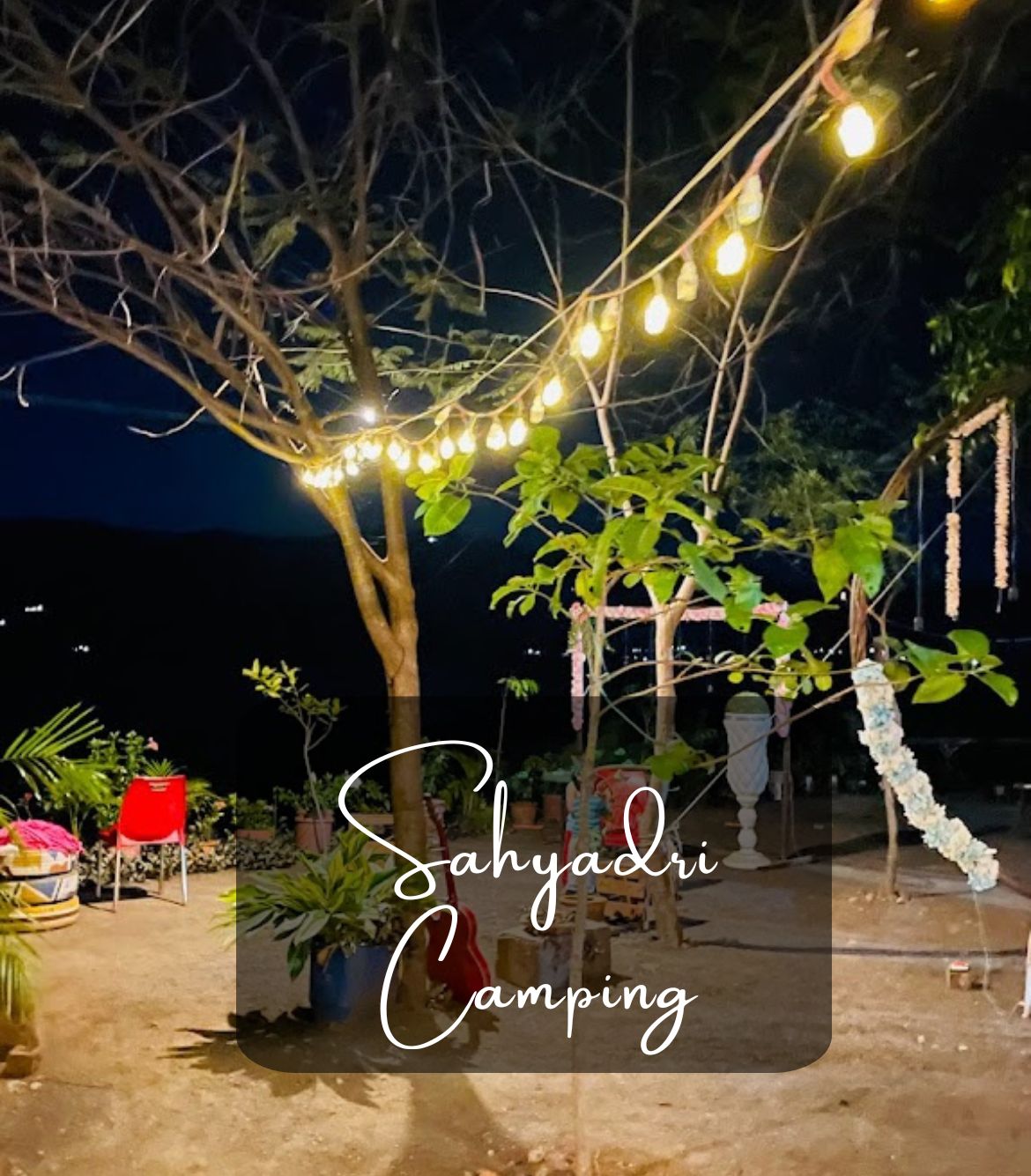
Sahyadri Camping
₹ 1,299
4.8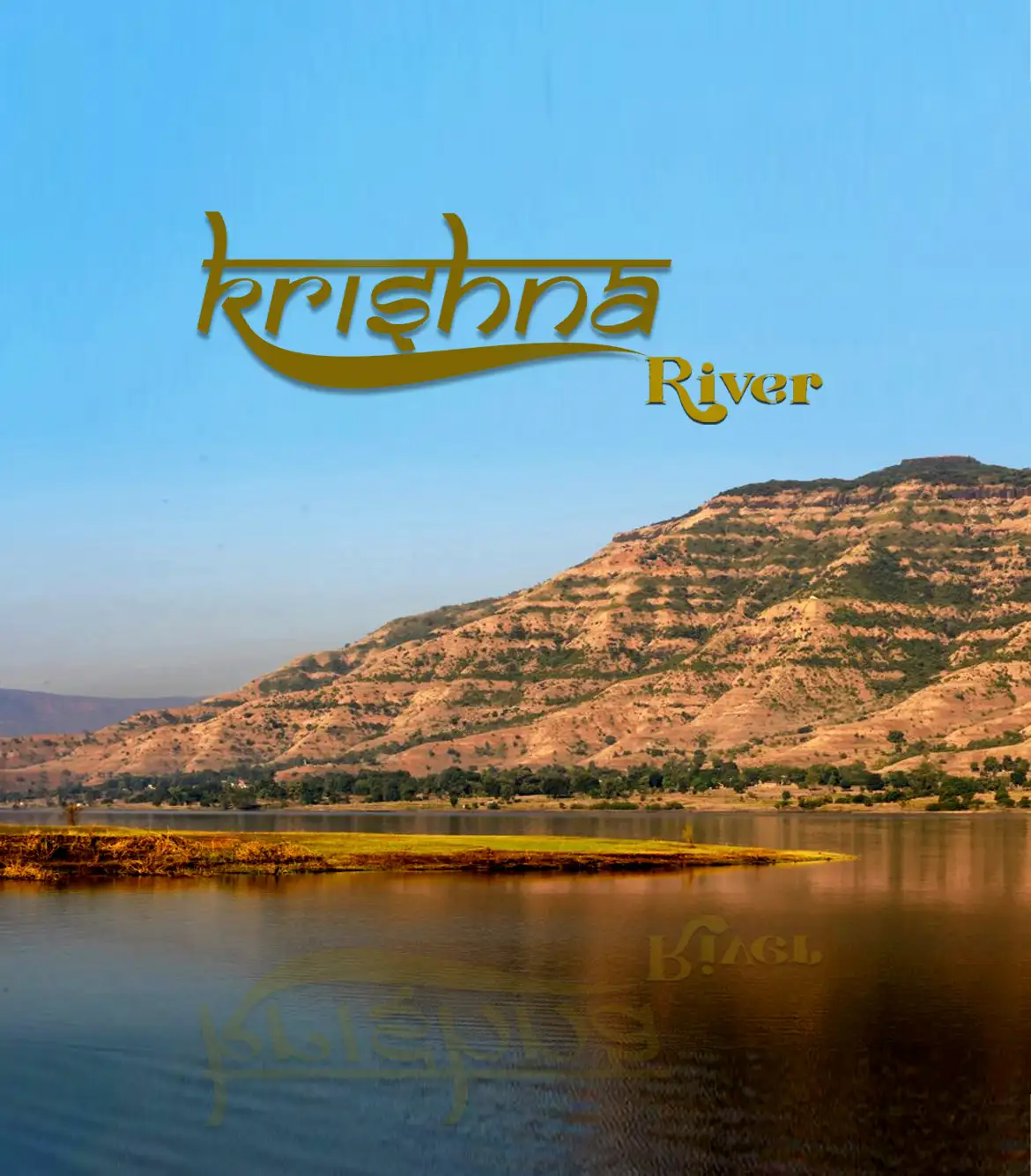
Krishna River Camp Wai
₹ 1,499
4.7
Bungee Ejection in Panchgani
₹ 250
4.9Whirlpool Ride in Wai, Satara
₹ 400
4.5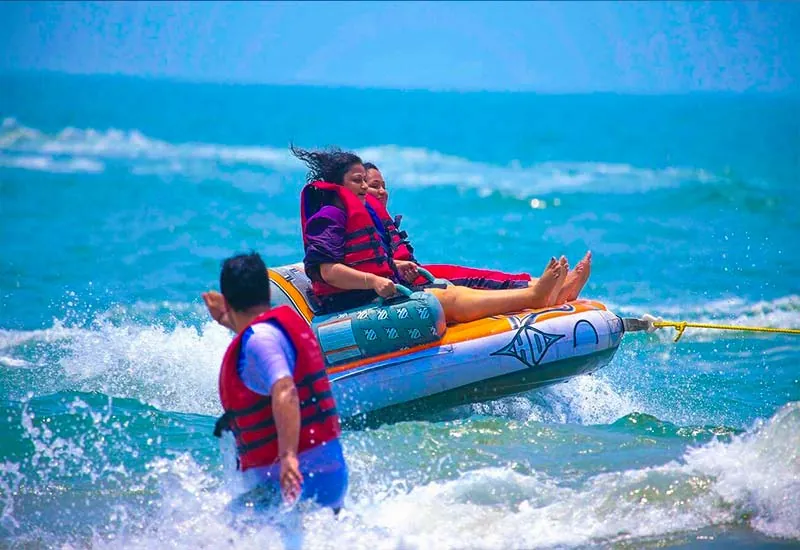
Bumper Ride in Wai, Satara
₹ 300
4.5
Banana Ride in Wai, Satara
₹ 300
4.5

