


Mount Abu
Explore Mount-Abu


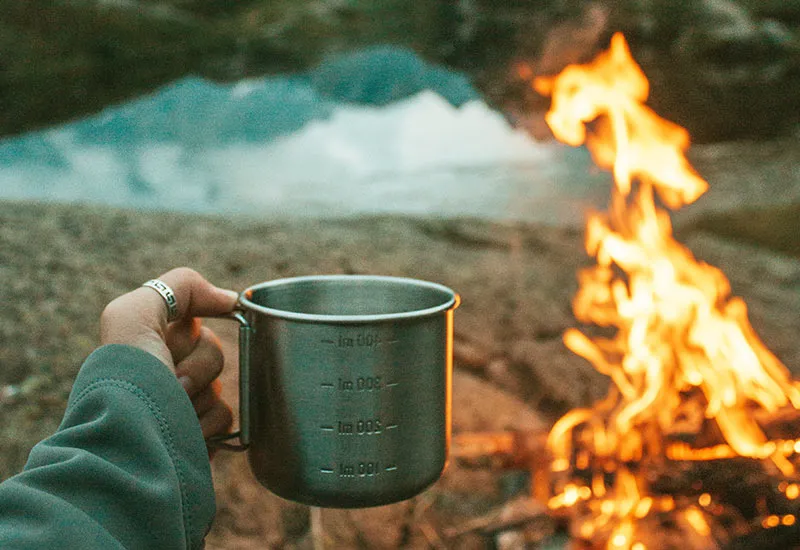

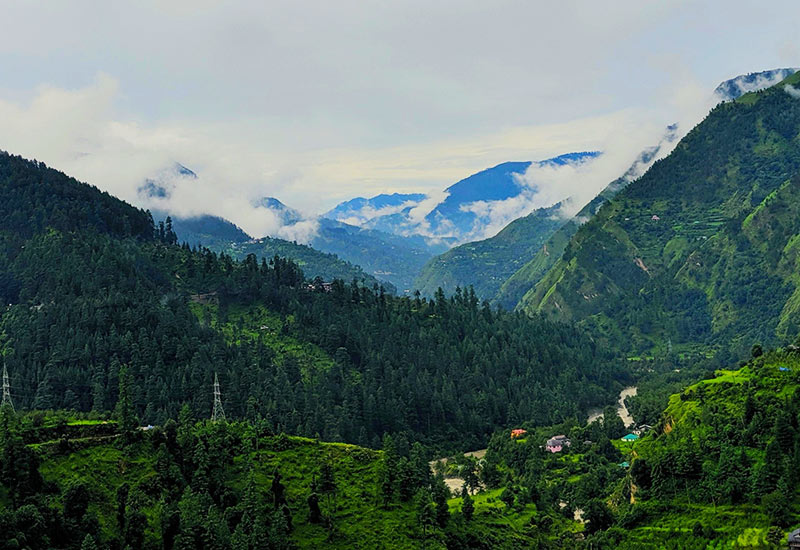

Mount Abu Tourism & Travel Guide
Location: Sirohi District, Southern Rajasthan
Famous For: Dilwara Jain Temples, Nakki Lake, Aravalli hill forests, and Rajasthan’s only hill station
Nickname/Special Tag: Oasis of Rajasthan/Abu Raj
Best Time to Visit: October to March
Ideal Duration: 2 to 3 Days
Climate: Subtropical Highland Climate
Local Language: Hindi, Rajasthani, English
About Mount Abu
- Looking for a destination where ancient marble temples, cool forested ridges, and sacred lake reflections collide in the middle of the Rajasthan desert? Mount Abu, Rajasthan’s only hill station, rises dramatically from the southern Aravalli range to deliver a landscape so unlike the rest of the state that first-time visitors often struggle to believe they are still in Rajasthan.
- The town draws travellers with some of the best places to visit in Mount Abu, including the breathtaking Dilwara Jain Temples, the sacred Nakki Lake, and the sweeping Guru Shikhar summit. From sunrise treks across forested Aravalli ridges to peaceful evening boat rides on a crater lake, top tourist attractions in Mount Abu offer unforgettable experiences for every kind of traveller.
- A mix of devotion, nature, heritage, and wildlife makes Mount Abu one of Rajasthan’s most rewarding hill station destinations.
History of Mount Abu
- Mount Abu has been a sacred site for both Hindus and Jains for over a thousand years, and, in Hindu mythology, is believed to be the home of the sage Vasishtha, whose fire ritual gave rise to the four great Rajput clans. The Dilwara Temples, built between the 11th and 13th centuries by Jain ministers of the Solanki dynasty cemented the hill station’s identity as one of western India’s most revered pilgrimage destinations long before it became a British summer retreat in the 19th century.
What Each Season Offers
Summer (April to June)
- Special Highlights: Forest walks, temple visits, lake rides, sunrise treks
- Crowd and Atmosphere: Peak season with lively markets and tourist activity
- Travel Essentials: Cotton clothes, jacket, sunscreen, hat, walking footwear
- Budget Requirements: Higher hotel prices during holidays and weekends
Monsoon (July to September)
- Special Highlights: Misty forests, waterfalls, green valleys, scenic lakes
- Crowd and Atmosphere: Fewer crowds with peaceful and scenic surroundings
- Travel Essentials: Raincoats, umbrellas, warm layers, waterproof footwear
- Budget Requirements: Affordable stays with attractive off-season travel discounts
Winter (October to March)
- Special Highlights: Temple visits, safaris, morning walks, frosty weather
- Crowd and Atmosphere: Peak season with festive markets and celebrations
- Travel Essentials: Woollens, thermals, gloves, scarves, walking shoes
- Budget Requirements: Higher hotel prices during festive holiday periods
How to Reach
By Air
- Udaipur’s Maharana Pratap Airport, roughly 185 kilometres away, is the nearest gateway offering regular flights from Delhi, Mumbai, and Jaipur, connecting travellers to the base of the Aravalli Hills within a comfortable three-hour drive.
By Train
- Abu Road Railway Station, just 28 kilometres from the hill town, is well connected with Delhi, Mumbai, Ahmedabad, and Jaipur through daily express services, making it the most convenient and scenic rail gateway for every Mount Abu trip.
By Road
- State buses, private taxis, and national highways connect Mount Abu comfortably with Udaipur, Jodhpur, Ahmedabad, and nearby Rajasthan and Gujarat destinations, making the winding Aravalli ghat road ascent one of the most scenic drives in the region.
Festivals of Mount Abu
1. Mount Abu Winter Festival
- Held every December, this three-day celebration of Rajasthani folk music, tribal dance, fireworks over Nakki Lake, and craft exhibitions attracts visitors from across the country, making it an ideal time for a Mount Abu trip.
2. Diwali at Nakki Lake
- Mount Abu’s Diwali fills the Nakki Lake promenade and hillside with thousands of diyas, fireworks reflecting across the water, and a warmly lit bazaar atmosphere, creating a memorable experience for visitors exploring Mount Abu tourist places.
3. Summer Festival
- Held every May across Nakki Lake grounds, Mount Abu’s Summer Festival features boat races, cultural performances, folk music competitions, and a Rajasthani craft fair during the peak tourist season.
4. Mahashivratri Fair
- The Mahashivratri fair at Achaleshwar Mahadev Temple attracts thousands of devotees for night-long rituals, folk performances, and a vibrant religious gathering that transforms the surrounding hillside every year.
5. Guru Shikhar Fair
- Held annually at Guru Shikhar, the Guru Shikhar Fair attracts devotees and tourists with religious ceremonies, temple visits, cultural activities, and panoramic views from the highest peak of the Aravalli Range.
Top 5 Mount Abu Places to Visit
1. Dilwara Jain Temples
- Built between the 11th and 13th centuries, the Dilwara Temples showcase extraordinary marble craftsmanship and intricate carvings, making them among the most remarkable places to visit in Mount Abu.
2. Nakki Lake
- Believed to have been created by gods using only their nails, Nakki Lake offers boat rides, Toad Rock viewpoints, and promenade walks, making it one of the most popular Mount Abu places to visit.
3. Guru Shikhar
- At 1,722 metres, Guru Shikhar is the highest point in Mount Abu and the highest peak in the Aravalli Range, offering panoramic views across southern Rajasthan, Gujarat, and the surrounding forested landscape.
4. Achalgarh Fort and Achaleshwar Temple
- The ruins of Achalgarh Fort alongside the ancient Achaleshwar Mahadev Temple offer a fascinating blend of history, architecture, and spirituality within a scenic hillside setting.
5. Wildlife Sanctuary and Trevor’s Tank
- Mount Abu Wildlife Sanctuary spans 290 square kilometres and shelters diverse wildlife, while Trevor’s Tank provides one of the region’s most accessible and rewarding nature experiences.
Top 5 Things to Do in Mount Abu
1. Sunrise at Guru Shikhar
- Driving to Guru Shikhar before dawn and watching the sun rise above the Aravalli plateau creates one of the most memorable things to do in Mount Abu.
2. Explore Dilwara Temples
- Spending time admiring the intricate marble ceilings, carved figures, and detailed pillars of the Vimal Vasahi and Luna Vasahi temples is an unforgettable Mount Abu sightseeing experience.
3. Boat Ride on Nakki Lake
- A late afternoon boat ride across Nakki Lake, surrounded by Aravalli hills and iconic rock formations, offers one of the most relaxing and scenic experiences in Mount Abu.
4. Walk the Sunset Point and Honeymoon Point
- Watching the Aravalli ranges glow in shades of gold and violet from Sunset Point or Honeymoon Point remains among the most atmospheric things to do in the hill station.
5. Visit Brahma Kumaris Spiritual Museum
- Exploring the Brahma Kumaris Peace Park and Om Shanti Bhavan museum offers peaceful meditation spaces, educational exhibits, and beautifully maintained surroundings overlooking the hills.
Top 5 Adventures to Do in Mount Abu
1. Trekking Through Aravalli Forest Trails
- Early morning treks through Mount Abu Wildlife Sanctuary pass forests, waterfalls, rock formations, and diverse wildlife habitats, creating one of the most rewarding Mount Abu visiting places for outdoor adventure.
2. Rock Climbing Near Mount Abu
- Rock climbing near Achalgarh Fort offers adventure enthusiasts a chance to scale rugged granite formations, enjoy sweeping Aravalli views, test their endurance, and add an exciting experience to their Mount Abu trip.
3. Mountain Cycling Through the Plateau
- Cycling across the Mount Abu plateau through tribal villages, forest roads, and temple routes offers refreshing mountain air, scenic landscapes, and a unique perspective of the region.
4. Night Safari in Mount Abu Wildlife Sanctuary
- Guided night safaris through forested areas of the sanctuary provide opportunities to spot nocturnal wildlife beneath clear skies, creating an exciting and immersive adventure experience.
5. Rappelling at Adhar Devi Cliffs
- The rocky cliffs near Adhar Devi Temple offer rappelling and climbing opportunities with spectacular views across the valley, making them a favourite activity for adventure lovers visiting Mount Abu Rajasthan.
FAQs
1. Which Are the Top Historical Places in Mount Abu?
- Dilwara Jain Temples, Achalgarh Fort, Achaleshwar Mahadev Temple, Adhar Devi Temple, and the Brahma Kumaris main campus are the crown jewels among historical sites in Mount Abu, each telling a vivid story of the hill station’s Jain, Rajput, Shaivite, and modern spiritual heritage:
• Dilwara Jain Temples: Five 11th to 13th-century marble temples considered the supreme achievement of Jain architectural art anywhere in the world.
• Achalgarh Fort: A 14th-century Paramara and later Mewar Rajput fort complex with panoramic Aravalli views and a richly layered military history.
• Achaleshwar Mahadev Temple: An ancient Shiva shrine where a natural earth cavity is venerated as the footprint of Lord Shiva, one of western India’s most sacred pilgrimage sites.
• Adhar Devi Temple: A 15th-century Durga temple carved into a natural rock cave reached by 365 steps cut into the living cliff face above the town.
• Brahma Kumaris Main Campus: The global headquarters of the Brahma Kumaris World Spiritual University established in 1936, one of the world’s largest spiritual organisations.
2. Can Mount Abu Be Visited in One Day?
- Mount Abu can technically be covered in one long day, but a two to three-night stay is strongly recommended to do justice to everything the hill station offers.
- A single determined day allows for the Dilwara Temples in the morning, Nakki Lake boat ride and Toad Rock after lunch, Guru Shikhar summit before sunset, and Sunset Point in the evening.
- However, Mount Abu travel tips consistently suggest that the hill station rewards slow travellers, with the Aravalli forest trails, wildlife sanctuary, Achalgarh, and Brahma Kumaris campus each deserving unhurried half-day visits that a single day simply cannot accommodate.
3. What Are the Best Mount Abu Travel Tips for First-Time Visitors?
- Mount Abu rewards well-prepared visitors with cooler temperatures, forested trails, and peaceful temple mornings that require a little planning to experience at their best:
• Dilwara Temple Timing: The temples are open to visitors only between noon and 6 PM and are closed on certain Jain festival days, so always check timings before planning your morning around them.
• Mount Abu Weather Changes Fast: The hill station can drop to near-freezing on winter nights between December and February, so always carry heavy woollens even if daytime temperatures seem mild when packing for a winter visit.
• Hire a Local Guide for the Sanctuary: The wildlife sanctuary’s leopard and sloth bear sightings are far more likely with an experienced local naturalist guide who knows the water sources and movement corridors across the forested plateau.
• Avoid Peak Summer Weekends: May and June weekends see extremely heavy domestic tourist crowds around Nakki Lake and Sunset Point, so scheduling visits to Dilwara and Guru Shikhar during early weekday mornings delivers a far more peaceful and rewarding experience.
4. What Are Some Popular Stay Options in Mount Abu for Budget and Luxury Travellers?
- Mount Abu offers everything from clean family guesthouses near Nakki Lake to heritage Mount Abu resorts on the Aravalli slopes, with options for different budgets and travel styles.
Budget Stay Options (Approx Price Per Night)
• Hotel Lake Palace Mount Abu – ₹800 to ₹1,800
• Saraswati Guest House – ₹600 to ₹1,400
• Hotel Sunrise Mount Abu – ₹700 to ₹1,500
• Hotel Hillock Budget Wing – ₹900 to ₹2,000
Luxury Stay Options (Approx Price Per Night)
• Cama Rajputana Club Resort – ₹8,000 to ₹18,000
• Hotel Hillock Mount Abu – ₹6,000 to ₹14,000
• The Jaisal Palace Mount Abu – ₹7,000 to ₹16,000
• WelcomHeritage Connaught House – ₹9,000 to ₹20,000
5. What Makes Mount Abu Unique for Tourism?
- Nestled in the ancient Aravalli Range, Mount Abu is a refreshing hill retreat that combines natural beauty, spirituality, heritage, and adventure, making it unlike any other destination in Rajasthan.
The following points are its special highlights:
- Rajasthan’s only hill station, offering a cool retreat amid the Aravalli Range.
- Home to the world-famous Dilwara Temples, renowned for exquisite marble carvings.
- Features scenic attractions like Nakki Lake, sunset viewpoints, and lush forests.
- Combines spirituality, heritage, adventure, and wildlife within a single destination.
- Offers opportunities for trekking, rock climbing, boating, and nature exploration.
Mount Abu stands out for blending natural beauty, sacred sites, rich heritage, and outdoor adventures, making it one of Rajasthan’s most diverse tourist destinations.
Adventure Awaits
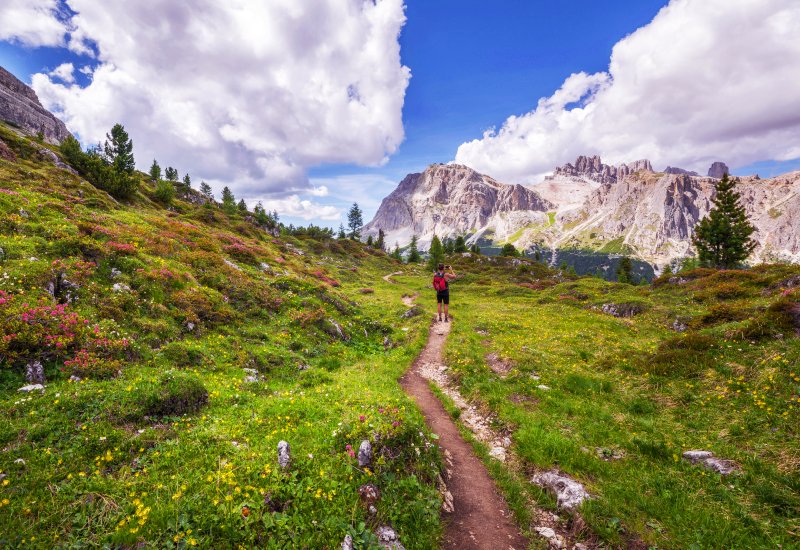
Mount Abu Trekking And Camping
₹ 1,800
 4.6
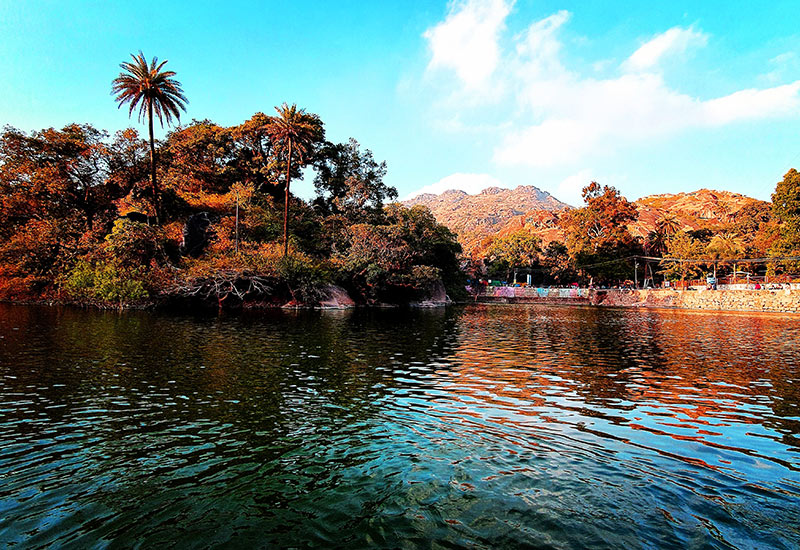
Mount Abu Tour Package For 2 Days
₹ 3,499
4.8
Mount Abu Local Sightseeing Package
₹ 3,199
4.7
Camping in Mount Abu
₹ 1,499
4.7
Boating in Mount Abu
₹ 99
4.7


