
Aurangabad
Explore Aurangabad


Aurangabad Tourism & Travel Guide
Location: Marathwada Region, Maharashtra
Famous For: Mughal monuments, Ancient Buddhist caves, Ajanta and Ellora rock heritage, and Medieval fortress history
Nickname/Special Tag: City of Gates
Best Time to Visit: November to March
Ideal Duration: 3 to 5 Days
Climate: Semi-Arid and Hot Desert Climate
Local Language: Marathi, Hindi, Urdu, English
About Aurangabad
- Why does Aurangabad captivate every history lover who sets foot in Maharashtra? Layered with Mughal garden tombs, medieval hilltop fortresses, ancient Buddhist cave monasteries, and a living Paithani silk weaving tradition, Aurangabad beautifully blends Islamic imperial grandeur, ancient Indian rock-cut brilliance, Maratha warrior heritage, and an extraordinary artistic legacy that few cities in the Deccan can rival.
- The city draws travellers with world-renowned Aurangabad attractions like the Ajanta Caves, the Ellora Caves, the Mughal-era Bibi Ka Maqbara, and the near-impregnable Daulatabad Fort rising from a volcanic plug above the Deccan plains. From exploring UNESCO cave galleries at dawn to climbing medieval fortress ramps at sunset, the best places to visit in Aurangabad offer unforgettable experiences for every kind of traveller.
- Combining ancient cave wonders, imperial monuments, and rich cultural traditions, Aurangabad delivers an unforgettable heritage experience and remains one of Maharashtra’s most fascinating destinations for history lovers.
History of Aurangabad
- Aurangabad was founded in 1610 by Malik Ambar and later became the southern capital of the Mughal Empire under Aurangzeb. The city is closely linked to the ancient Ajanta and Ellora Caves, reflecting over 2,000 years of Buddhist, Hindu, Jain, and Mughal heritage in the Deccan region.
What Each Season Offers
Summer (April to June)
- Special Highlights: Cave visits, fort explorations, museums, heritage experiences
- Crowd and Atmosphere: Moderate crowds with pleasant morning sightseeing opportunities
- Travel Essentials: Cotton clothes, sunscreen, caps, water bottles, sturdy footwear
- Budget Requirements: Budget-friendly hotels with attractive low-season travel deals
Monsoon (July to September)
- Special Highlights: Rain-washed caves, misty forts, greenery, waterfalls
- Crowd and Atmosphere: Fewer crowds with lush and atmospheric surroundings
- Travel Essentials: Raincoats, umbrellas, waterproof footwear, quick-dry clothing
- Budget Requirements: Affordable stays with excellent off-season travel discounts
Winter (October to March)
- Special Highlights: Cave paintings, fort climbs, gardens, festival celebrations
- Crowd and Atmosphere: Peak season with vibrant energy and festive warmth
- Travel Essentials: Light woollens, layered clothing, comfortable walking shoes
- Budget Requirements: Higher hotel prices during festive holiday periods
How to Reach
By Air
- Aurangabad Airport offers regular flights from Mumbai, Delhi, Hyderabad, and Bengaluru, connecting travellers planning an Aurangabad tour directly to the gateway of Maharashtra’s most extraordinary ancient and medieval heritage landscape.
By Train
- Aurangabad Railway Station is well-connected with Mumbai, Pune, Hyderabad, Nagpur, and Delhi through daily express and superfast services, making it the most convenient and widely used arrival point for every Aurangabad trip.
By Road
- State buses, private taxis, and national highways connect Aurangabad comfortably with Mumbai, Pune, Nashik, Hyderabad, and nearby Maharashtra destinations, making several excellent day trips to Ajanta, Ellora, and Lonar easily accessible from the city.
Festivals of Aurangabad
1. Ajanta-Ellora Festival
- Held every March near the UNESCO cave complexes, this festival showcases classical music, folk dance, theatre performances, and craft exhibitions, making it one of the city’s most celebrated cultural experiences and Aurangabad tourist places to explore.
2. Aurangabad Festival
- The Aurangabad Festival celebrates Maharashtra’s Mughal, Buddhist, and Maratha heritage through classical performances, Paithani weaving demonstrations, food stalls, and cultural exhibitions hosted across heritage venues, making it a memorable experience among the places to visit in Aurangabad.
3. Eid in Aurangabad
- Aurangabad’s historic Muslim community transforms old quarters during Eid into illuminated streets filled with kebab stalls, festive gatherings, and a welcoming atmosphere reflecting the cultural spirit of Marathwada.
4. Buddha Purnima at Ajanta
- Buddha Purnima attracts thousands of Buddhist pilgrims and scholars from India, Japan, Sri Lanka, and Southeast Asia to the Ajanta Caves for an important annual spiritual gathering.
5. Ellora Dance Festival
- Held before the Kailasa Temple at Ellora, this festival presents Bharatanatyam, Kathak, Odissi, and Kuchipudi performances on one of Maharashtra’s most spectacular open-air heritage stages.
Top 5 Places to Visit in Aurangabad
1. Ajanta Caves
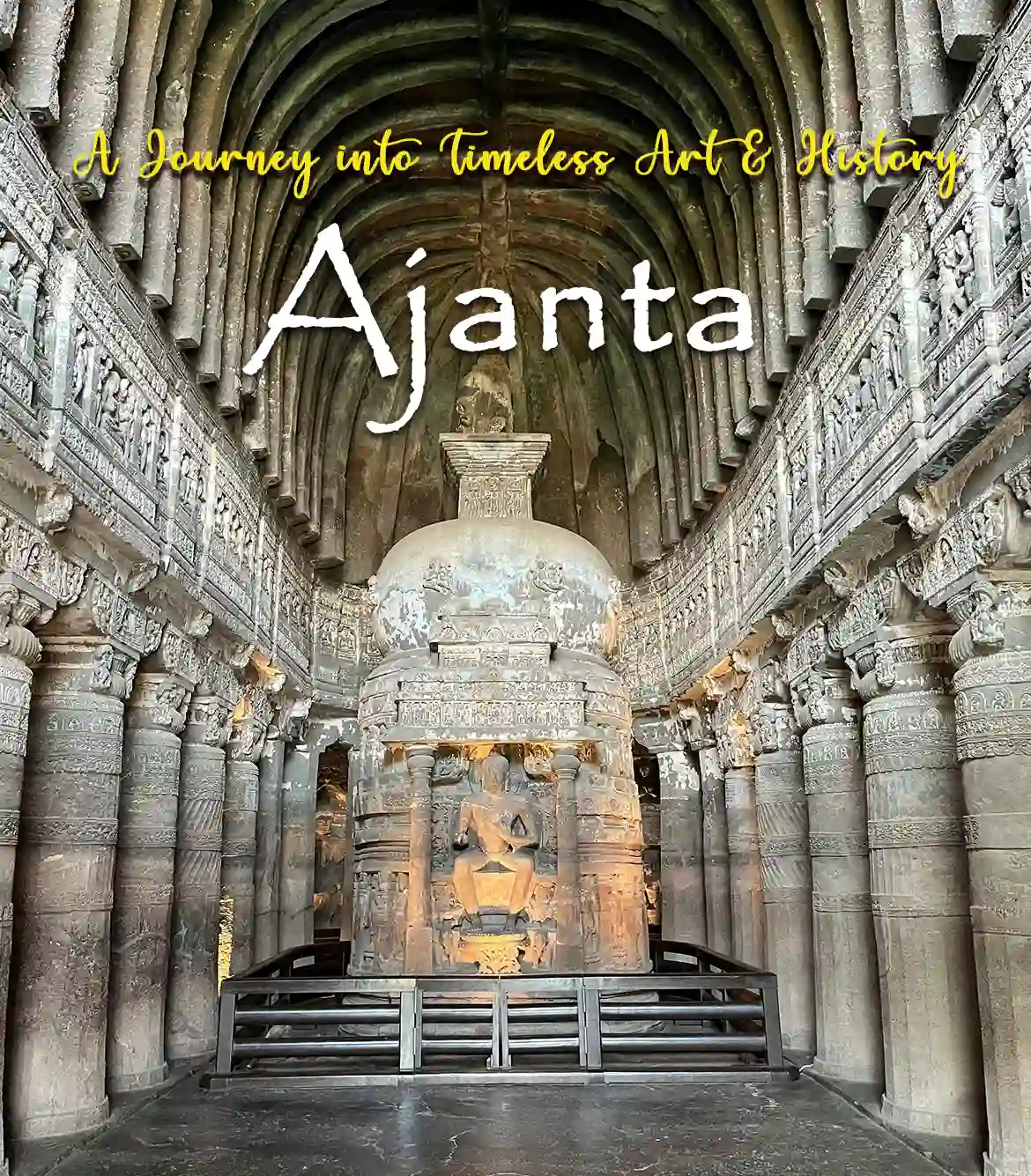
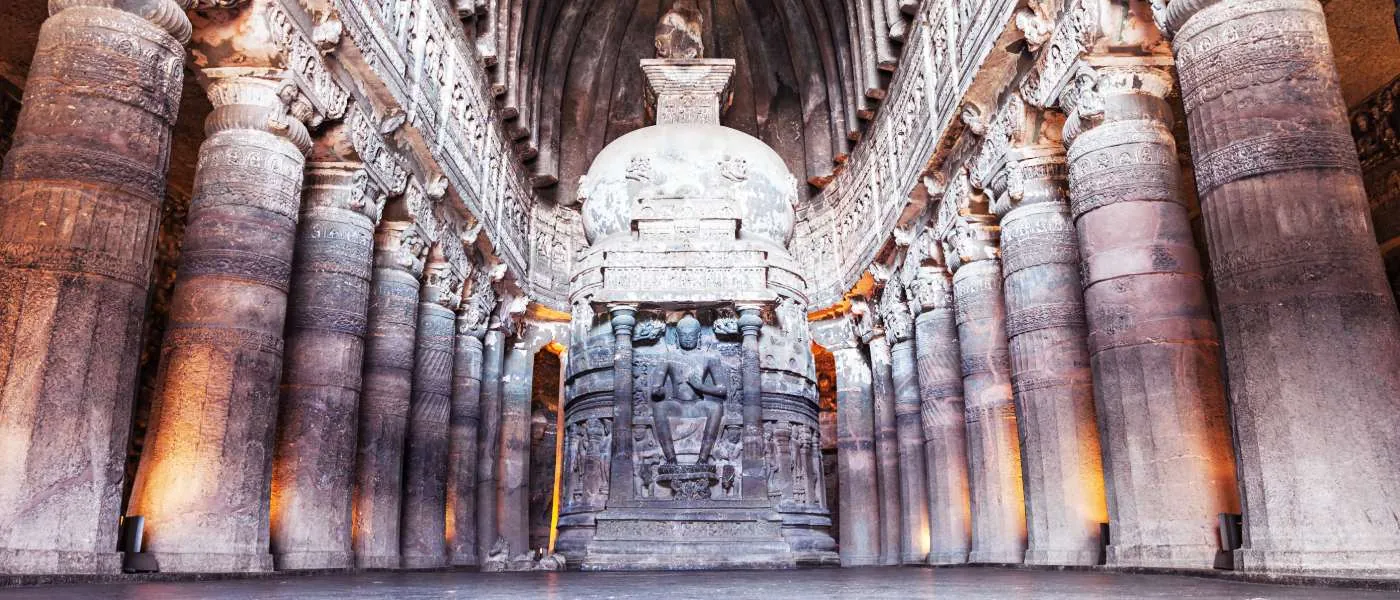
- Carved into basalt cliffs above the Waghora River, the 30 Buddhist Ajanta Caves contain extraordinary ancient fresco paintings, making them among the most famous places to visit in Aurangabad.
2. Ellora Caves
- Stretching across the Charanandri Hills, the 34 Ellora Caves form a UNESCO World Heritage complex featuring Buddhist, Hindu, and Jain monuments, making them essential for every Aurangabad sightseeing experience.
3. Bibi Ka Maqbara
- Built in 1668 by Mughal prince Azam Shah, Bibi Ka Maqbara features a striking white marble mausoleum surrounded by gardens and is widely known as the Taj of the Deccan.
4. Daulatabad Fort
- Rising above the Deccan plains, Daulatabad Fort features concentric fortifications, a spiral tunnel, and panoramic viewpoints, making it one of the best places to visit in Aurangabad.
5. Aurangabad Caves
- These twelve Aurangabad caves carved into the Sahyadri hillside between the 3rd and 7th centuries contain remarkable sculptures, including a famous dancing Bodhisattva figure and intricate carvings.
Top 5 Things to Do in Aurangabad
1. Explore Ajanta at Dawn
- Arriving early to admire the 1,500-year-old fresco paintings in soft morning light makes this historic site one of the most fascinating places to visit in Aurangabad, especially for history lovers.
2. Climb Daulatabad Fort
- Ascending through Daulatabad Fort’s defence rings, tunnels, and pathways to reach the summit rewards visitors with sweeping Deccan views and an unforgettable Aurangabad sightseeing experience.
3. Visit Bibi Ka Maqbara at Sunrise
- Watching the morning light illuminate Bibi Ka Maqbara’s white marble structure creates a beautiful atmosphere and provides one of the most photogenic heritage experiences in Aurangabad.
4. Discover the Kailasa Temple at Ellora
- Standing inside Cave 16 and witnessing the monolithic Kailasa Temple carved from a single basalt cliff showcases one of the greatest achievements of ancient Indian architecture.
5. Walk the Panchakki Water Mill Complex
- Explore the historic Panchakki complex featuring an underground water channel, an ancient grinding mill, a sacred fish tank, and peaceful surroundings that reflect Aurangabad’s rich heritage.
Top 5 Adventures to Do in Aurangabad
1. Trek to Daulatabad Summit
- Trekking through multiple defence layers, across moats, tunnels, and steep pathways to the summit is one of the most rewarding things to do near the Aurangabad caves and surrounding Deccan landscapes.
2. Night Trekking at Ajanta Gorge
- Guided evening treks through the Waghora River gorge below the Ajanta Caves pass rocky riverbeds and forested trails, creating one of the region’s most unique adventure experiences near popular Aurangabad tourist places.
3. Cycling the Ellora Heritage Circuit
- Cycling from Aurangabad through rural landscapes toward Daulatabad and Ellora offers a scenic journey combining heritage attractions, countryside views, and outdoor adventure.
4. Lonar Crater Lake Trek
- A day excursion to Lonar Crater, one of the world’s rare saltwater meteor impact craters, provides a fascinating blend of geology, nature, and adventure near Aurangabad.
5. Rappelling at Sillod Cliffs
- The basalt cliffs near Sillod offer guided rappelling and rock-climbing experiences above forested valleys, making them a popular destination for outdoor adventure enthusiasts visiting Aurangabad.
FAQs
1. Which Are the Top Historical Places in Aurangabad?
- Historical places in Aurangabad, each telling a vivid story of the city’s Buddhist, Mughal, and medieval Deccan past:
• Ajanta Caves: Thirty Buddhist rock-cut caves housing the world’s finest surviving ancient fresco paintings, carved between the 2nd century BCE and 6th century CE.
• Ellora Caves: Thirty-four Buddhist, Hindu, and Jain cave temples carved between the 6th and 11th centuries representing one of humanity’s supreme artistic achievements.
• Bibi Ka Maqbara: A 1668 Mughal marble mausoleum known as the Taj of the Deccan and the most iconic monument within Aurangabad’s city limits.
• Daulatabad Fort: A 12th-century volcanic plug fortress considered one of medieval India’s most ingeniously unconquerable military structures.
• Panchakki: A 17th-century Sufi dargah complex with an ancient underground water channel, sacred fish tank, and grinding mill that remains one of Aurangabad’s most atmospheric heritage sites.
2. What is the Best Time to Visit Aurangabad?
- The Aurangabad temperature is generally most comfortable from November to March, making this the best time to explore cave complexes, forts, Mughal garden walks, and outdoor heritage sites. The Ajanta-Ellora Festival in March transforms the heritage landscape into a celebration of classical arts, December and January bring the clearest skies and most comfortable temperatures for full-day cave explorations, and winter mornings are ideal for Bibi Ka Maqbara sunrise visits and Daulatabad Fort climbs.
- The monsoon from July to September fills the Deccan countryside with dramatic green beauty, but can make cave approaches and fort trails slippery and difficult to navigate.
3. What Food is Famous in Aurangabad?
- Aurangabad’s food scene is a rich celebration of Mughal-influenced Nawabi cooking, Marathwada spice traditions, street-side kebab culture, and deeply comforting rice and dal meals served everywhere from old city Muslim quarter restaurants to highway dhabas near the cave complexes:
• Naan Qalia: A slow-cooked mutton curry with a deeply aromatic Mughal spice profile served with thick tandoor-baked naan.
• Tahari: A fragrant one-pot spiced rice and meat dish.
• Sheer Khurma: A rich Eid festival vermicelli and milk dessert cooked with dates, pistachios, and saffron.
• Papad Ki Sabzi: A thin, crispy lentil wafer cooked in a tangy yoghurt and spice gravy.
• Seekh Kebab at Gulmandi: Freshly grilled minced meat seekh kebabs served with green chutney and onion rings.
4. What Are the Best Day Trips from Aurangabad?
- Aurangabad’s central Deccan location makes it one of Maharashtra’s finest bases for day excursions to ancient cave complexes, medieval forts, sacred temples, and geological wonders all within comfortable driving distance:
• Ajanta Caves: 107 kilometres northeast through Deccan plateau farmland, the UNESCO Buddhist cave paintings make this the single most essential and awe-inspiring day trip from Aurangabad for every first-time visitor to the region.
• Ellora Caves: Just 30 kilometres from the city, the multi-faith UNESCO cave complex with its breathtaking Kailasa Temple is the most accessible and monumentally rewarding half or full-day excursion available from Aurangabad.
• Lonar Crater Lake: 140 kilometres east, the world’s only saltwater meteor impact crater with its ancient Hindu temples and forested rim, offers one of the most geologically extraordinary and unique day trips in all of Maharashtra.
• Shirdi: 130 kilometres northwest, the sacred Sai Baba temple town draws millions of devotees annually and offers a deeply moving pilgrimage day trip that many Aurangabad tourism itineraries include as an essential spiritual extension.
5. How Many Days Are Enough for Aurangabad Sightseeing?
- A 3 to 5-day trip is ideal for comfortably covering all the best places to visit in Aurangabad. One day covers Bibi Ka Maqbara, Daulatabad Fort, Panchakki, and the Aurangabad Caves, while additional days allow time for Ajanta and Ellora.
- Extending the trip to five days opens up Lonar Crater, Shirdi, and a deeper exploration of Aurangabad’s old city bazaars and Paithani weaving centres for a truly complete experience.
6. What Are Some Popular Stay Options in Aurangabad for Budget and Luxury Travellers?
- Aurangabad offers everything from clean guesthouses near the railway station to heritage resort retreats near the cave complexes, making it suitable for every type of traveller.
Budget Stay Options (Approx Price Per Night)
• Hotel Panchavati Aurangabad – ₹800 to ₹1,800
• Hotel Natraj Aurangabad – ₹700 to ₹1,500
• MTDC Holiday Resort Aurangabad – ₹900 to ₹2,000
• Hotel Raj Mahal Aurangabad – ₹600 to ₹1,400
Luxury Stay Options (Approx Price Per Night)
• Taj Hotel and Convention Centre Aurangabad – ₹8,000 to ₹18,000
• Lemon Tree Hotel Aurangabad – ₹5,000 to ₹12,000
• WelcomHotel Rama International – ₹6,000 to ₹14,000
• Four Points by Sheraton Aurangabad – ₹5,500 to ₹13,000
7. What Makes Aurangabad Unique for Tourism?
- Aurangabad is one of India’s most historically extraordinary and artistically unmatched travel destinations, offering everything from the world’s finest ancient fresco paintings and a multi-faith UNESCO cave complex to a Mughal marble mausoleum, medieval volcanic fortress, ancient Buddhist sculpture galleries, and a living Paithani silk weaving tradition that makes Aurangabad tourism experience truly unforgettable.
- Travellers can stand before 1,500-year-old Buddhist paintings at Ajanta, comprehend the architectural impossibility of the Kailasa Temple at Ellora, photograph Bibi Ka Maqbara at sunrise, conquer the tunnel defences of Daulatabad Fort, and discover the quiet genius of the Aurangabad Caves all within the same compact city visit.
With its UNESCO World Heritage Sites, remarkable rock-cut architecture, rich heritage, and living traditions, Aurangabad stands among India's most rewarding destinations for history, culture, and art lovers.